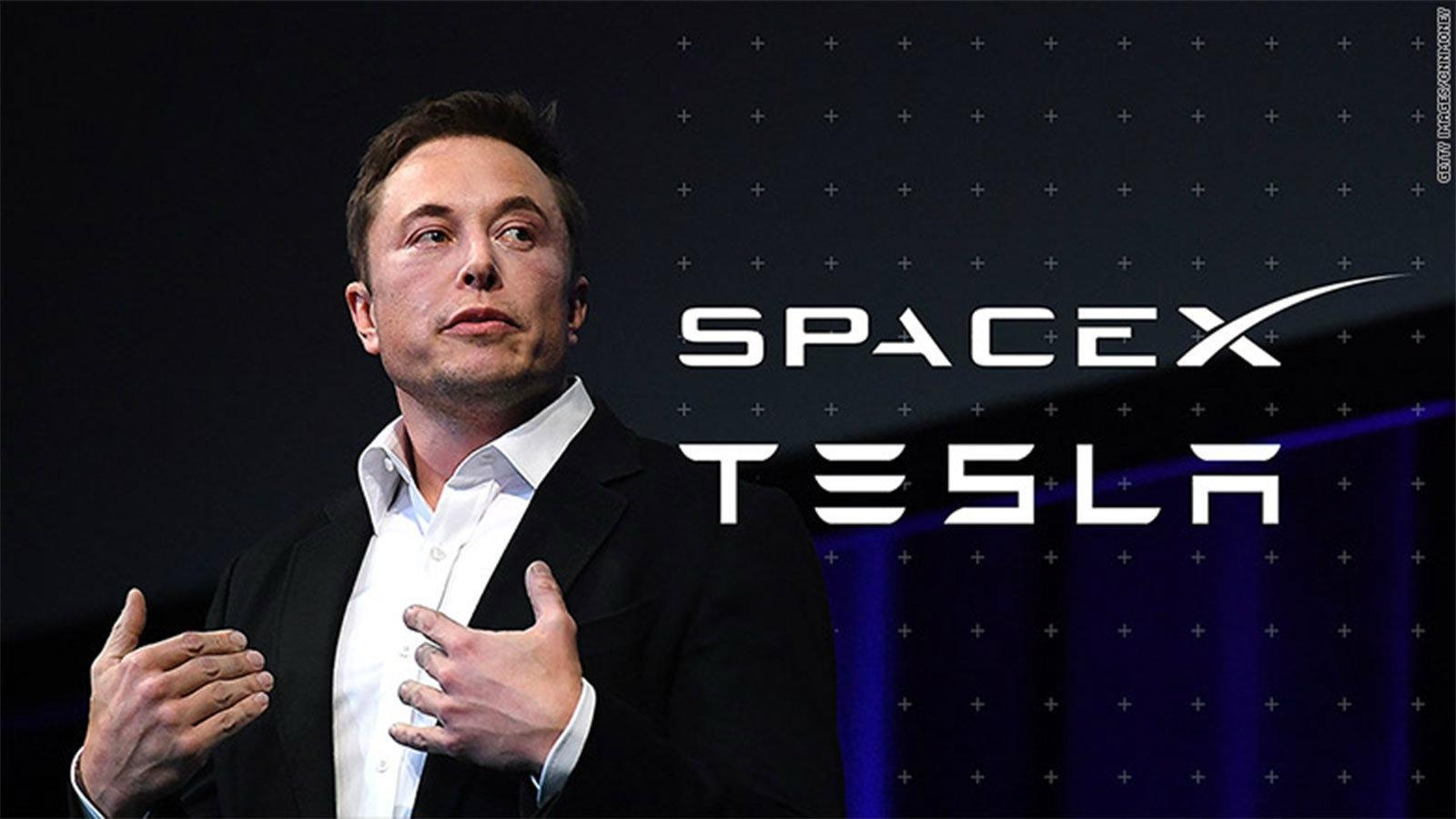
The proposed consolidation follows a shift in the strategic direction of both companies. SpaceX, now valued at $2 trillion, has evolved beyond its aerospace roots to include the xAI startup and its Grok chatbot, while leveraging its Starlink network for global data transmission. Tesla, currently carrying a $1.5 trillion valuation, is pivoting its core identity from electric vehicle manufacturing toward autonomous robotaxis and humanoid robotics.
Market experts view the deal as a power play rather than a quest for operational efficiency. Musk currently holds 82 percent of voting power at SpaceX but only 20 percent at Tesla. Analysts like Garrett Nelson of CFRA Research suggest the merger primarily serves to solidify Musk’s authority, while others, such as Dan Ives of Yorkville Ives, assign a 90 percent probability to the deal’s completion by 2027. Legal hurdles appear manageable due to both companies relocating their incorporation to Texas, where shareholder litigation standards are significantly more restrictive than in Delaware.
Despite the path to a deal, significant geopolitical and regulatory risks remain. SpaceX’s reliance on NASA and Pentagon contracts invites scrutiny should political shifts occur in Washington, while Tesla’s heavy manufacturing presence in China poses national security concerns. JPMorgan analysts have floated the possibility of divesting or walling off the China operations to mitigate potential regulatory fallout. For now, Musk faces the high hurdle of securing a majority vote from Tesla shareholders, though his strong base of retail investors may provide the necessary momentum to bypass institutional opposition.



Comments (0)
No comments yet. Be the first!