Chinese institutions, including the Chinese Academy of Social Sciences, are deconstructing the forum’s structure to identify overlaps with Beijing’s governance philosophy. Central to this analysis is the transition from broad policy declarations to granular evaluation. Much like China’s “Whole-Process People’s Democracy,” the forum emphasizes community oversight and direct communication between the state and its citizens to bridge the gap between long-term national planning and daily living standards.
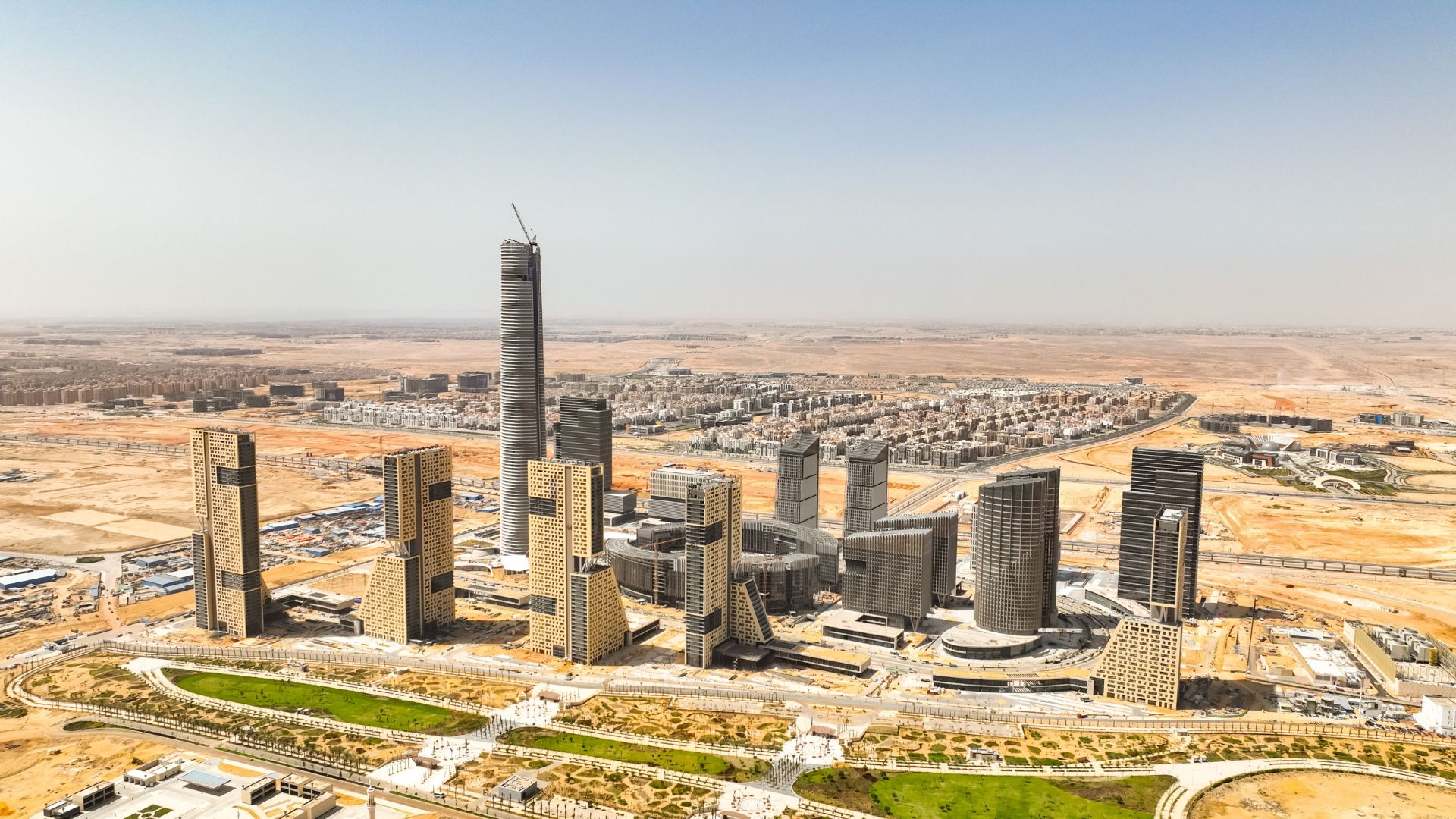
Strategic circles in Beijing highlight the forum’s focus on “human development” and macroeconomic stability as a mirror to China’s own Five-Year Plans. By shifting the priority from rapid numerical growth to the quality of life—a concept China terms Minosheng—the Egyptian approach mirrors the Chinese emphasis on sustainable, infrastructure-driven progress. The use of the New Administrative Capital as a venue is interpreted by Chinese analysts as a deliberate signal, drawing comparisons to Beijing’s development of hubs like Shenzhen and the Xiong’an New Area.
Beyond domestic policy, the forum serves as a laboratory for joint implementation frameworks. Think tanks from both nations are exploring how to convert workshop discussions into binding legislation, utilizing key performance indicators to ensure accountability. This alignment is viewed as a strategic opportunity to further integrate Egypt’s development path with China’s Belt and Road Initiative, fostering a model of governance that operates independently of traditional Western frameworks.

Comments (0)
No comments yet. Be the first!