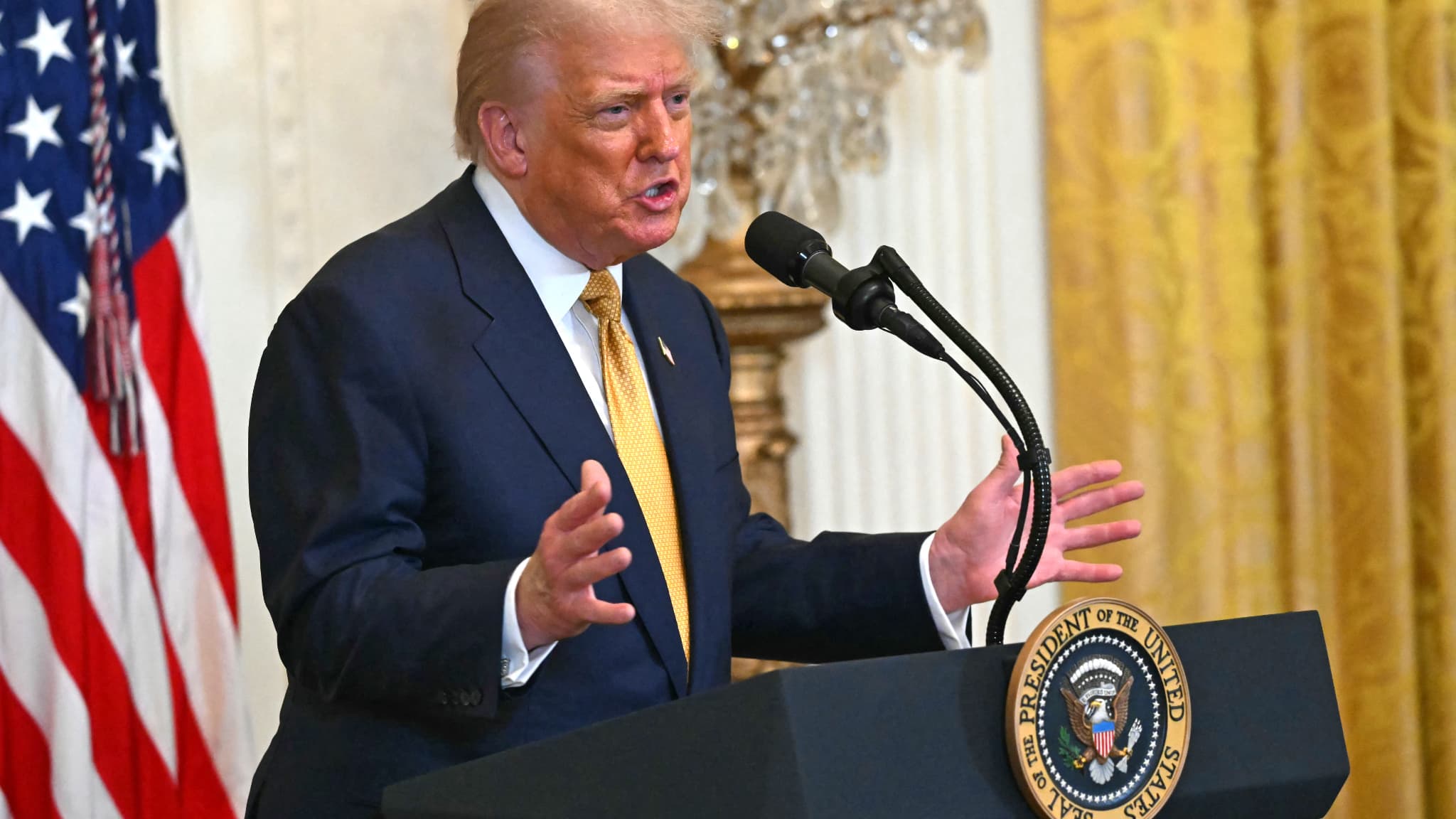
On November 6, three days after the vote, the Pentagon will present Defense Secretary Pete Hegseth with four options for the U.S. military footprint in Europe. These plans, driven by policy chief Elbridge Colby, aim to shift the burden of conventional defense onto allies. While many in Europe assume a weakened president lacks the political capital to gut NATO, history suggests the opposite. Presidents who lose leverage at home frequently turn to the international arena, where they can act via executive orders and direct diplomacy without congressional approval.
Congress can establish a legislative floor—such as the current 76,000-troop minimum or rules governing base usage—but it cannot dictate the credibility of the American security guarantee. Deterrence relies on the Kremlin’s perception of the president’s resolve, not the fine print of appropriations bills. Trump has already signaled his trajectory: from the creation of the "Bergen Group" of preferred allies to a recent diesel deal with Vladimir Putin that bypassed existing sanctions. Even if a new Congress attempts to lock in troop levels during the lame-duck session, the administration’s ability to probe the edges of these mandates remains intact. European governments waiting for a domestic political correction are likely to be disappointed; the shift toward a tiered, transactional alliance is already institutionalized within the Pentagon’s review process.


Comments (0)
No comments yet. Be the first!