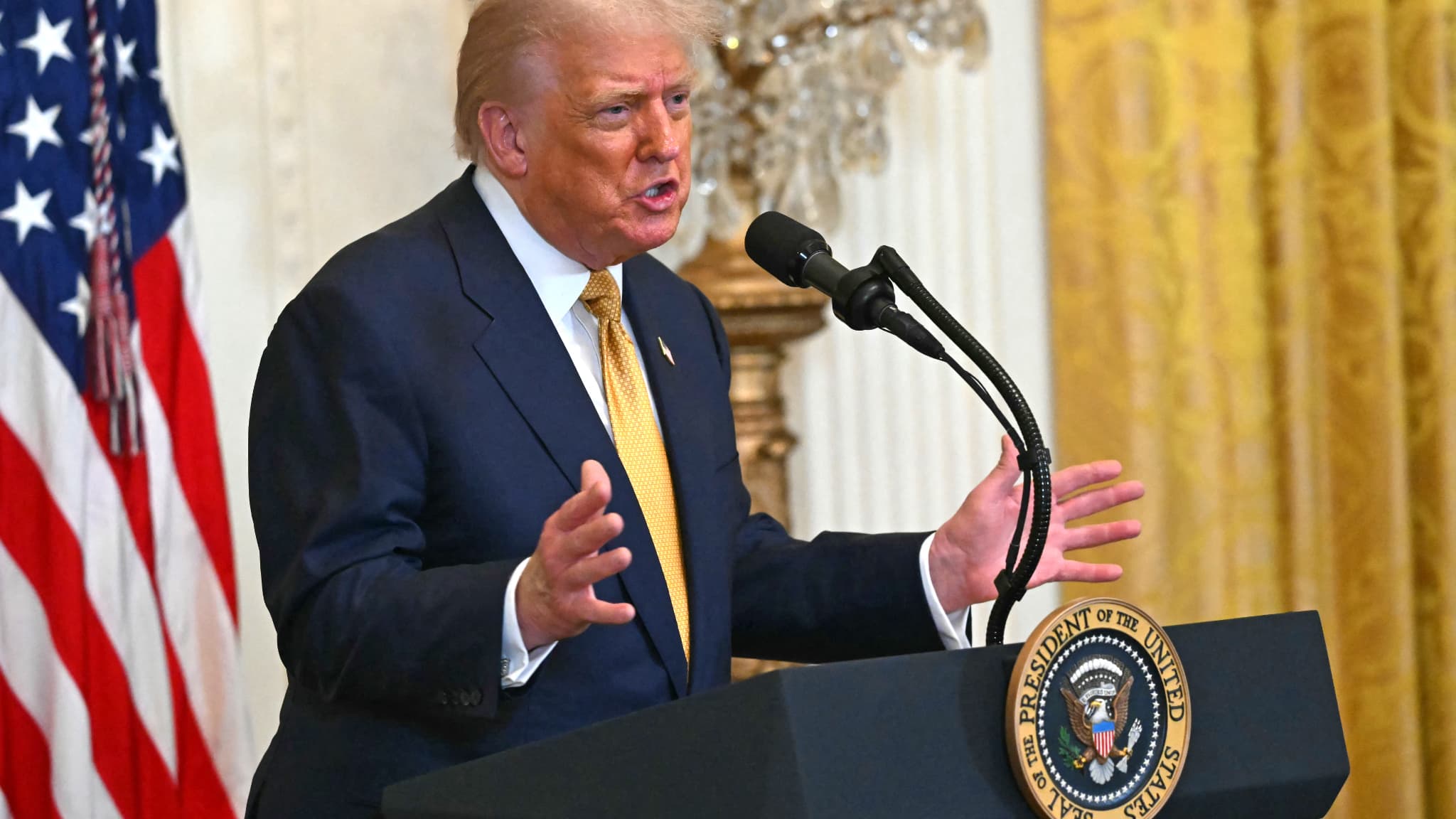
The current administration’s reliance on executive orders, sanctions waivers, and unilateral promises creates a fundamental credibility gap. While a president may possess the authority to bypass Congress to strike deals or shift military posture, foreign capitals are increasingly pricing American commitments against the January 2029 expiration of Trump’s term. Tehran, Moscow, and Beijing view these executive actions as reversible, leading them to extract immediate concessions while deferring any meaningful, long-term compliance until a new administration takes office.
This dynamic forces allies into a defensive posture of diversification. From Taiwan’s planned 18 percent increase in defense spending to South Korea’s debate over its own nuclear deterrent, nations are hedging against the volatility of Washington’s current approach. History suggests that what Congress buys into survives, while what a president signs alone rarely outlasts a transition. Unless the White House shifts toward the Reagan-era model of seeking bipartisan congressional ratification for its agreements, these foreign deals will likely remain provisional, leaving the U.S. with diminishing leverage and less international deference.


Comments (0)
No comments yet. Be the first!