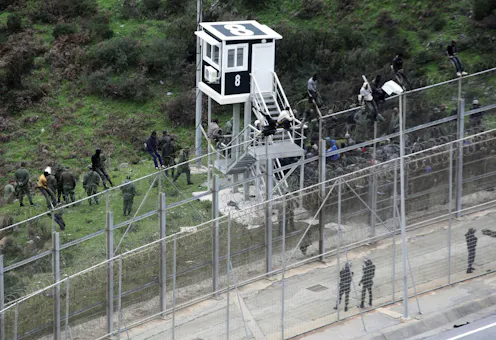
The crisis began with a mass crossing on July 30, leaving an estimated 7,000 to 8,000 migrants stranded in the small port city. Local infrastructure is crumbling under the strain; police union representative Raul Piera reports that limited staffing and equipment restrict processing to roughly 100 cases per day. As the November 29 snap election approaches, the government is under intense pressure from right-wing factions to clear the backlog, leading to an aggressive push for voluntary returns to Morocco.
However, human rights groups—including Amnesty International and Oxfam—have filed complaints with the Spanish ombudsman alleging that these returns are far from voluntary. Reports describe migrants being summoned by police and deported without warning or access to legal counsel, despite claims by Interior Minister Fernando Grande-Marlaska that all departures are consensual. For vulnerable individuals, such as those with severe medical conditions or those fleeing persecution, these procedural shortcuts pose life-altering risks. Without the resources for thorough individual assessments, the government’s attempt to meet new EU migration standards may be sacrificing the core legal protections meant to shield those in genuine danger.




Comments (0)
No comments yet. Be the first!