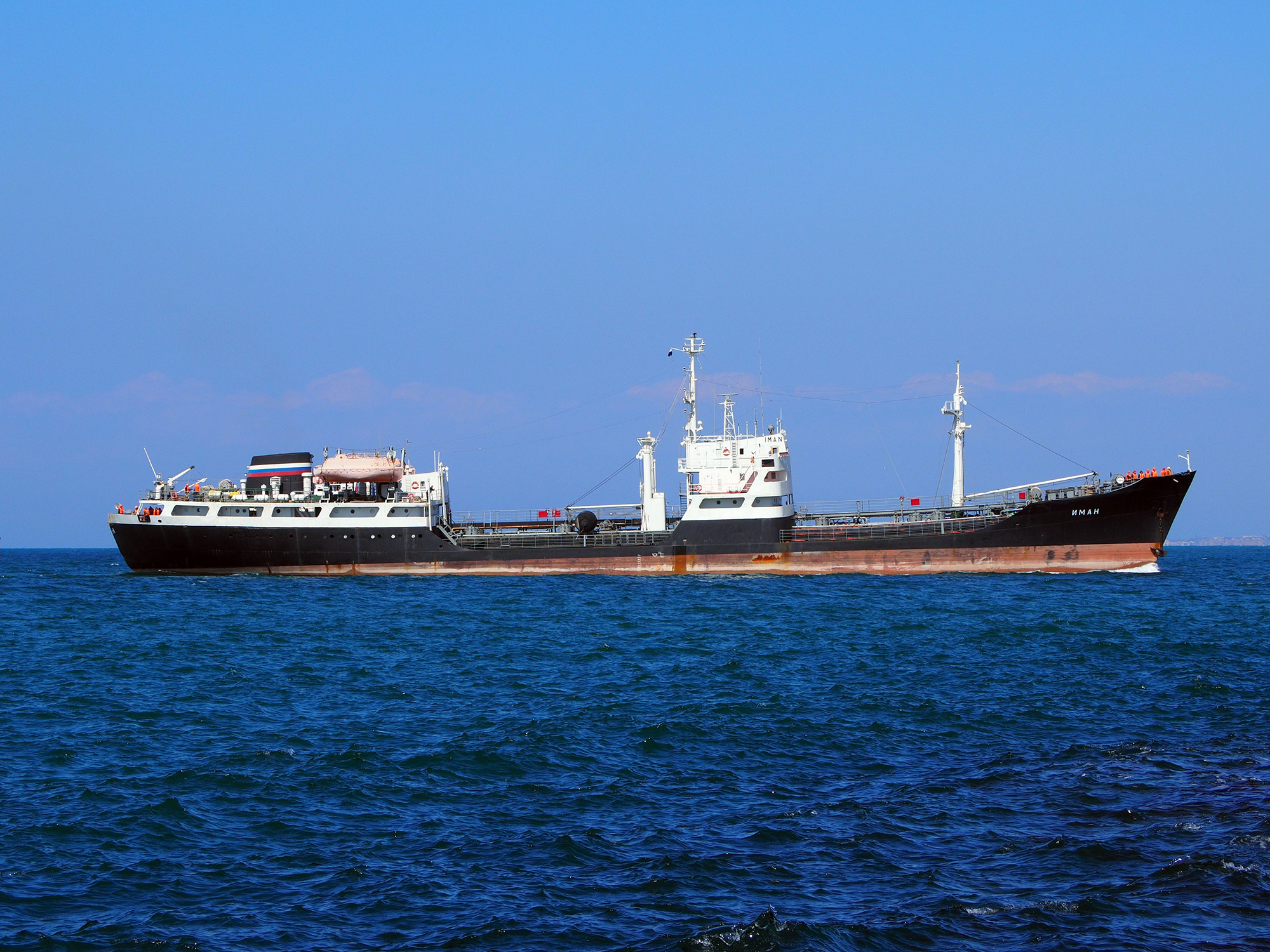
The attacks target a vital corridor for Ukrainian trade that emerged after Russian strikes forced a shift toward Danube ports and routes hugging the coasts of Bulgaria and Romania. While Kyiv has pointed toward Russian involvement, Moscow denies responsibility. The incidents occur roughly 20 miles offshore—outside of territorial waters where sovereign protection applies—placing them in a legal gray zone. Because these strikes on foreign-flagged vessels occur in exclusive economic zones rather than on alliance territory, they fall below the Article 5 threshold required for collective military response.
Navigating the Montreux Constraint
Unlike in the Baltic, NATO cannot simply surge naval presence to deter these attacks. The 1936 Montreux Convention restricts the passage of warships through the Turkish Straits and limits the duration and tonnage of non-littoral naval forces in the Black Sea. This forces the burden of maritime security onto Romania, Bulgaria, and Turkey. While Sofia has initiated talks with its neighbors to secure shipping lanes, previous cooperation has been limited to mine-clearing. Addressing drone-based strikes requires a more robust commitment to maritime surveillance and interception capabilities. As the western Black Sea becomes increasingly contested, the test for NATO lies in whether the alliance will provide the necessary sensors, funding, and political support to empower a regional littoral defense, or remain limited to diplomatic statements.



Comments (0)
No comments yet. Be the first!