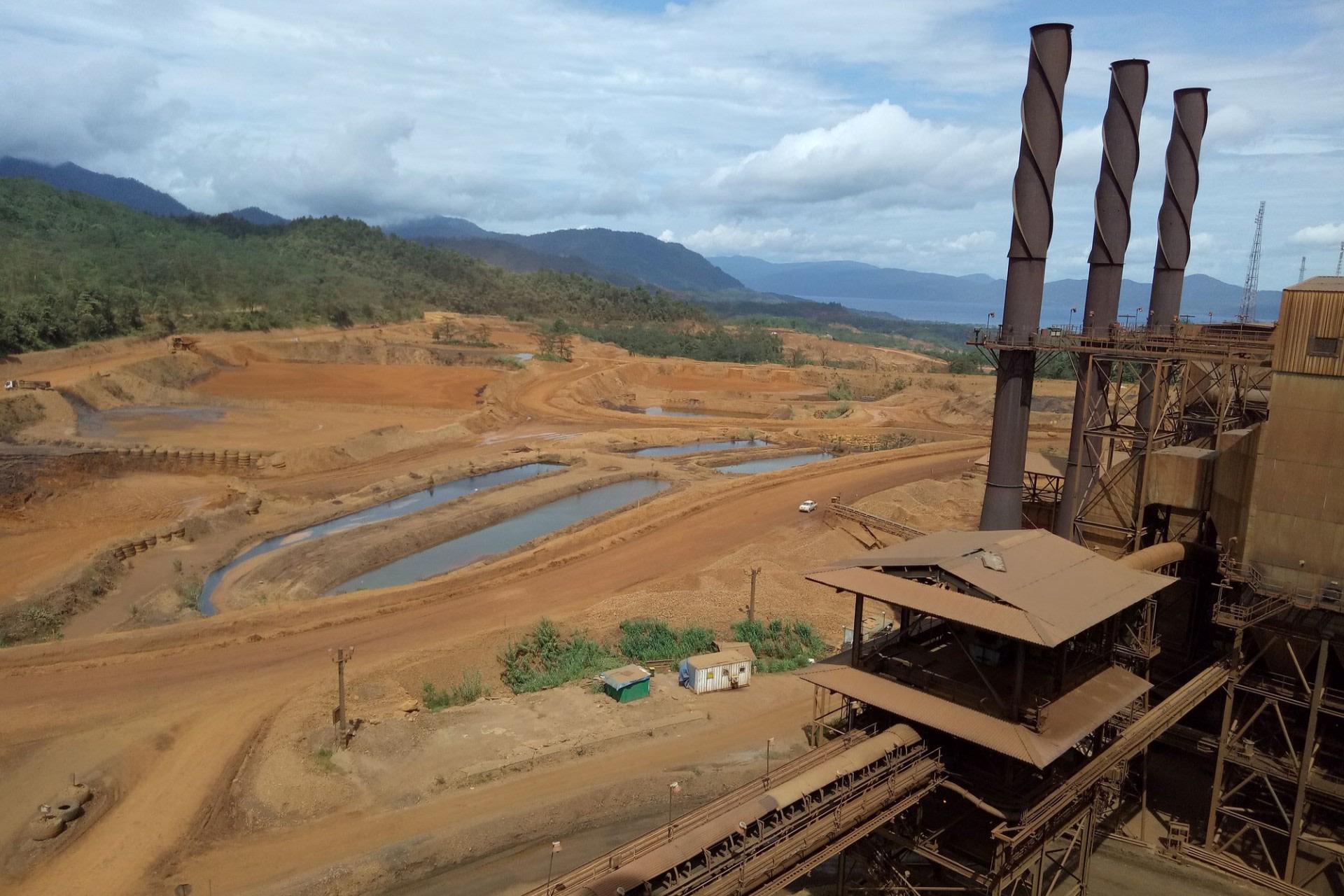
Indonesia’s downstreaming policy, designed to force value-added production within its borders, has attracted massive capital. Investment in the sector reached IDR 153.2 trillion in 2024, pushing the cumulative total to IDR 407.8 trillion. This influx has successfully expanded smelting capacity, but the benefits remain heavily skewed toward foreign stakeholders. According to the International Energy Agency, domestic Indonesian firms currently control less than 10 percent of production assets, leaving the country’s industrial heartbeat tethered to Chinese multinational corporations.
This lopsided ownership structure mirrors the country’s trade patterns. World Bank WITS data confirms that of the US$14.06 billion in ferronickel exported by Indonesia in 2024, nearly US$13.26 billion flowed directly to China. Researcher Eve Warburton characterizes this dynamic as an "enclave" economy, where industrial growth serves national branding goals while the structural benefits remain concentrated in foreign hands. The challenge for Jakarta is to pivot from being a mere host for processing plants to becoming a technology-owning participant in the global battery supply chain.
Legal hurdles further complicate this path. The World Trade Organization has already challenged Indonesia’s export bans, citing conflicts with international trade rules. To achieve genuine sovereignty, Jakarta must move beyond simple smelting. The path forward requires rigorous focus on technology transfer, local workforce training, and environmental standards—measures that will determine if Indonesia’s nickel wealth builds lasting national power or simply subsidizes the manufacturing needs of its largest trade partner.




Comments (0)
No comments yet. Be the first!