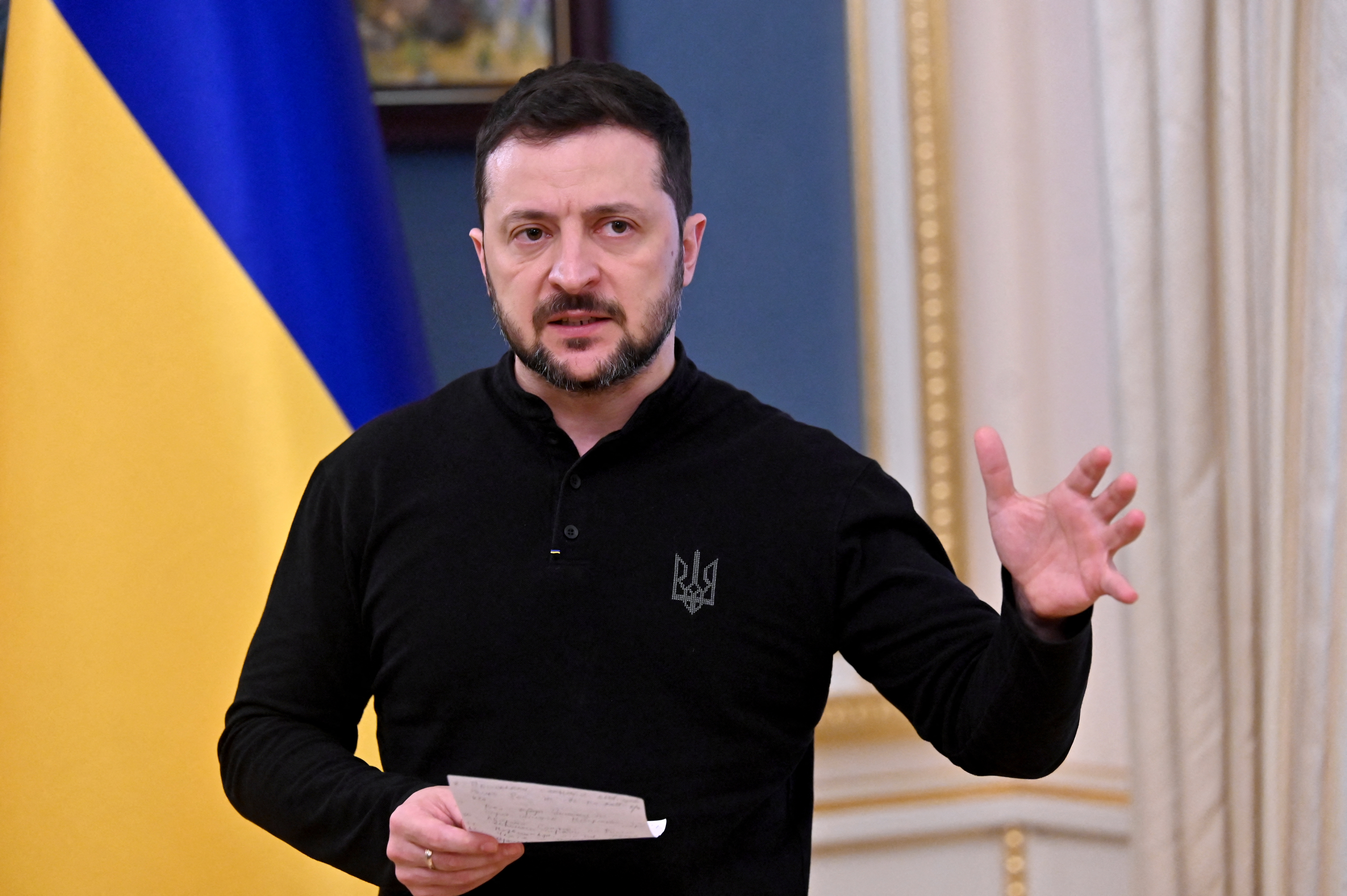
Zelenskiy characterized the arrangement as a calculated attempt to manage energy prices ahead of US midterm elections, arguing that the financial gains for Moscow will only fuel the war effort. He specifically contested the notion of a ceasefire regarding energy facilities, labeling the Kremlin's current diplomatic outreach a parody of genuine peace negotiations. The Ukrainian leader remains wary that these maneuvers serve to deflect political pressure in Washington while leaving his country vulnerable to continued missile and drone strikes.
Beyond energy politics, the operational landscape remains fraught with technical and financial strain. Zelenskiy raised alarm over intermittent disruptions to the SpaceX Starshield satellite system, which remains critical for tracking Russian drone incursions. While US officials deny intentional interference, the military necessity of these tools has become a primary point of friction. Facing a war effort that costs an estimated €155 billion, Zelenskiy is pushing European allies for an additional €70 billion in emergency funding to secure defensive resilience. Despite internal divisions within the bloc regarding budget allocations, EU leaders signaled support for bridging the funding gap as Ukraine formally moves to abandon its energy ceasefire.




Comments (0)
No comments yet. Be the first!