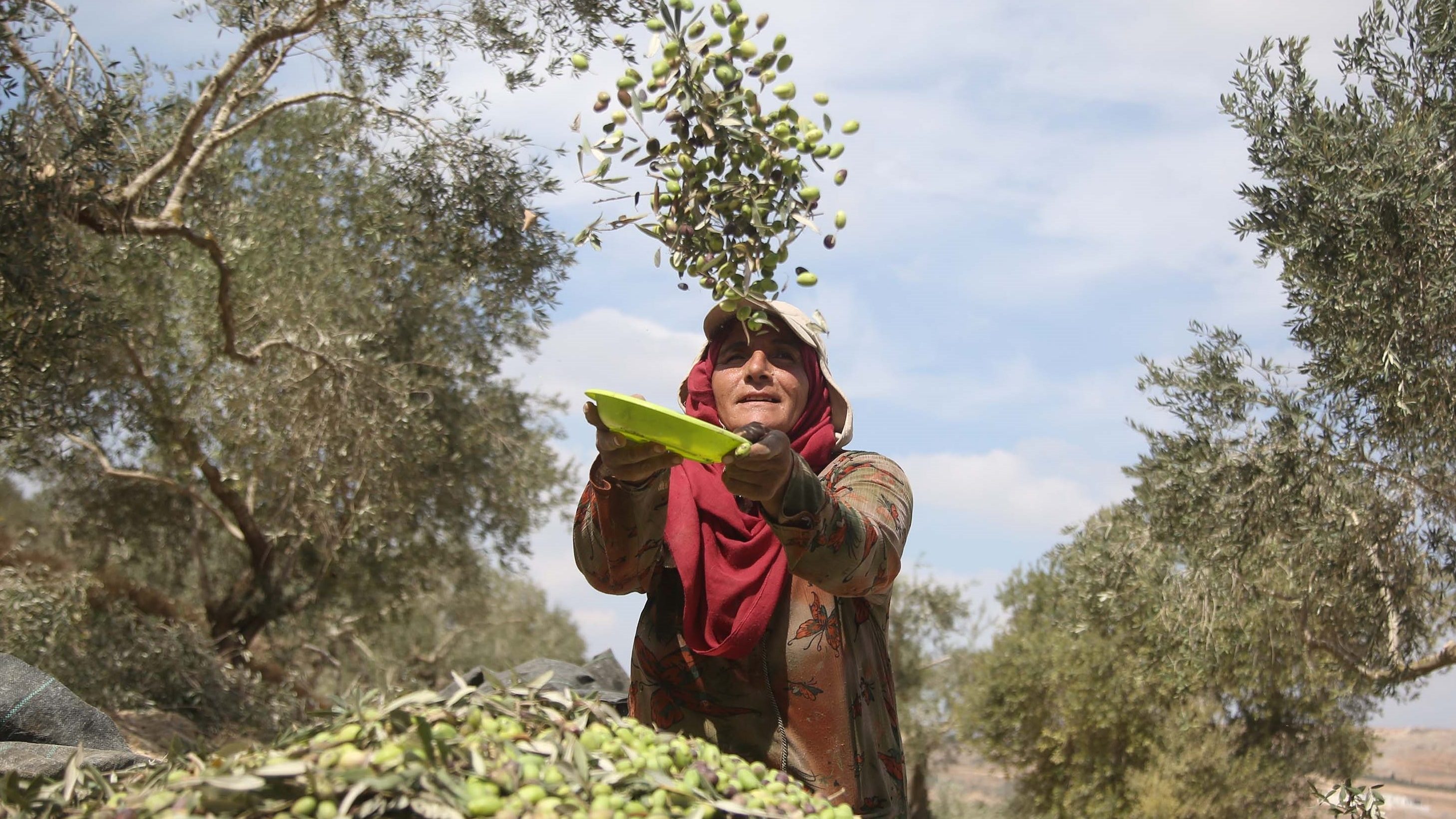
The confrontation near Abu Falah saw approximately 80 attackers force Palestinian families off their land. According to witnesses, the situation escalated further when Israeli military units arrived, with soldiers firing tear gas at the retreating villagers while an armed settler was seen discharging a weapon. Medics confirmed two casualties were transported to nearby hospitals in Ramallah for treatment.
This incident is not isolated. Data from the Israeli rights group Yesh Din indicates that at least 170 similar attacks have occurred since September 27. For Palestinian farmers, these disruptions threaten more than just a single season's yield; they jeopardize the long-term economic viability of groves that serve as a cornerstone of local cultural heritage and household income. Earlier on Friday, another group of settlers burned three vehicles near the village of Turmus Ayya, underscoring a systemic pattern of intimidation.
While Prime Minister Benjamin Netanyahu has issued public condemnations of such violence, his right-wing government faces intensifying international pressure. Critics argue that official rhetoric has failed to translate into effective protection or accountability for the roughly 500,000 settlers living in the region. As the harvest continues, the ability of Palestinian communities to access their ancestral lands remains under threat, further complicating the precarious security landscape of the occupied territory.



Comments (0)
No comments yet. Be the first!