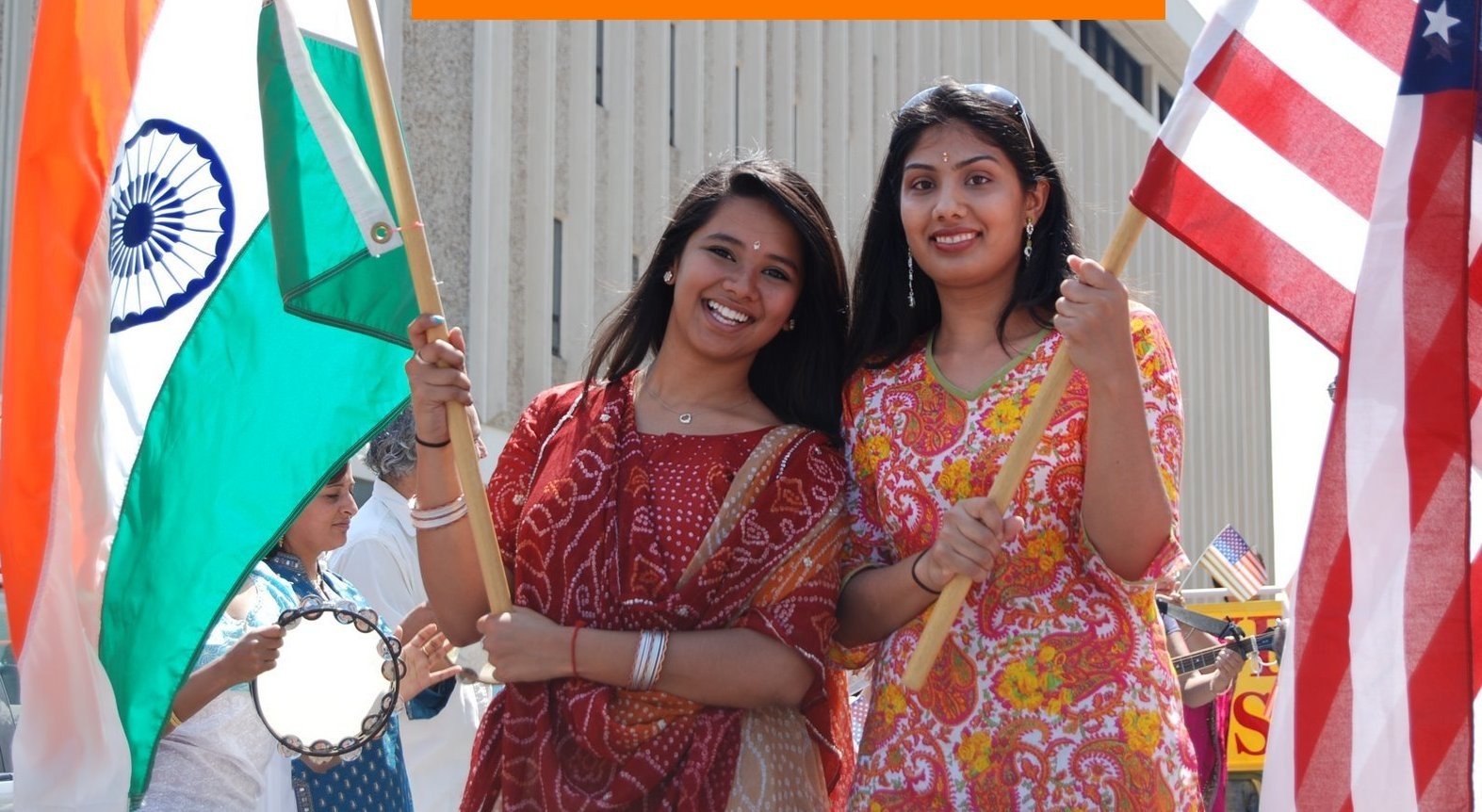
The influence of the community, now numbering 5.2 million, extends beyond ballot boxes into the financial machinery of American campaigns. Despite their economic success—with median household incomes exceeding $150,000—the group’s legislative footprint faces a potential contraction. The so-called "Samosa Caucus," currently holding six seats in the House of Representatives, is expected to shrink to four. While Democrats Amish Shah and Pia Dandiya remain in tight races, the departure of incumbents Raja Krishnamoorthi and Shri Thanedar leaves the caucus struggling to maintain its recent momentum, especially as Republican candidates Ritesh Tandon, Nirav Sheth, and Mahesh Ganorkar face uphill battles in deep-blue districts.
Data from the 2026 Asian American and Pacific Islander Voter Survey highlights a stark partisan divide: 66 percent of Indian-American respondents favor Democratic Senate candidates, compared to 22 percent for Republicans. This alignment persists even as many voters report political fatigue surrounding the intense immigration debates defining President Donald Trump’s agenda. With 90 percent of registered Indian-American voters planning to participate in the midterms, their concentrated presence in suburban districts around Atlanta and Washington ensures they remain a critical variable in thin-margin contests, backed by record-breaking levels of campaign contributions from Silicon Valley and Wall Street.



Comments (0)
No comments yet. Be the first!