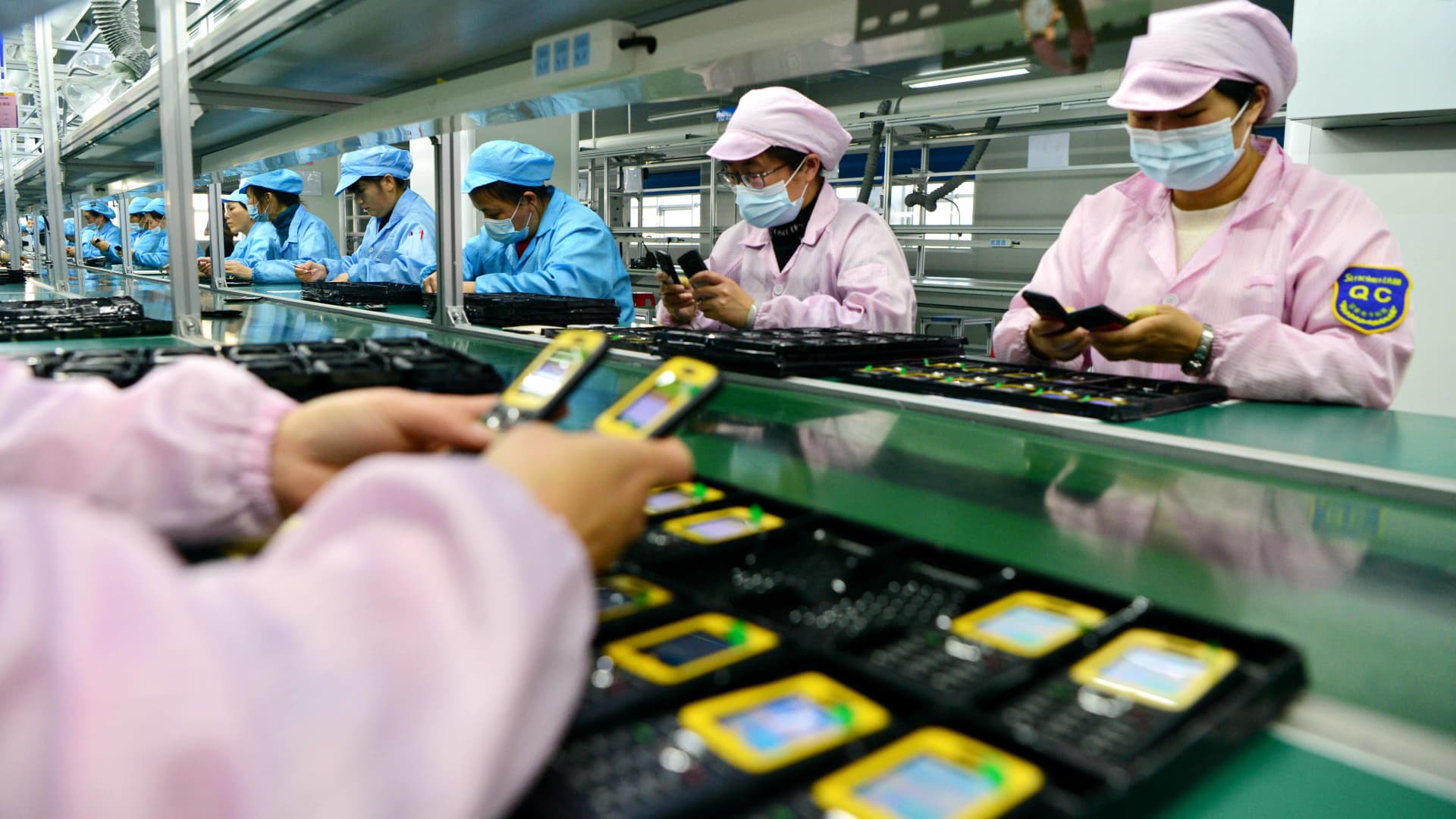
The Ministry of Human Resources and Social Security reports that urban unemployment averaged 5.2% between January and August, maintaining a baseline of stability. Vice Minister Li Zhong recently announced a forthcoming policy document aimed at expanding hiring within services while simultaneously preserving roles in labor-intensive industries. This dual strategy acknowledges the difficulty of balancing immediate livelihood protection with the need to cultivate a workforce for emerging, high-tech sectors.
For investors and policymakers, the raw hiring figures mask deeper questions regarding job quality. Newly created positions vary significantly in contract duration, benefits, and pay structures. Without a corresponding rise in predictable household earnings, these employment gains may fail to translate into the consumer confidence required to drive sustained business investment. Furthermore, the effectiveness of the government's services initiative will depend on specific implementation details, such as eligibility requirements and the ability of firms to turn state-supported staffing into productive, revenue-generating operations.
Ultimately, the sustainability of China's economic momentum hinges on the alignment of labor supply with actual market demand. While basic pension and insurance programs continue to expand—covering over 1 billion people in the case of pension schemes—the real dividend will be measured by wage growth and retention rates. As firms navigate a transition toward more specialized service roles, success will be defined not by the number of hires, but by whether those roles foster a durable foundation for both corporate profitability and household financial security.



Comments (0)
No comments yet. Be the first!