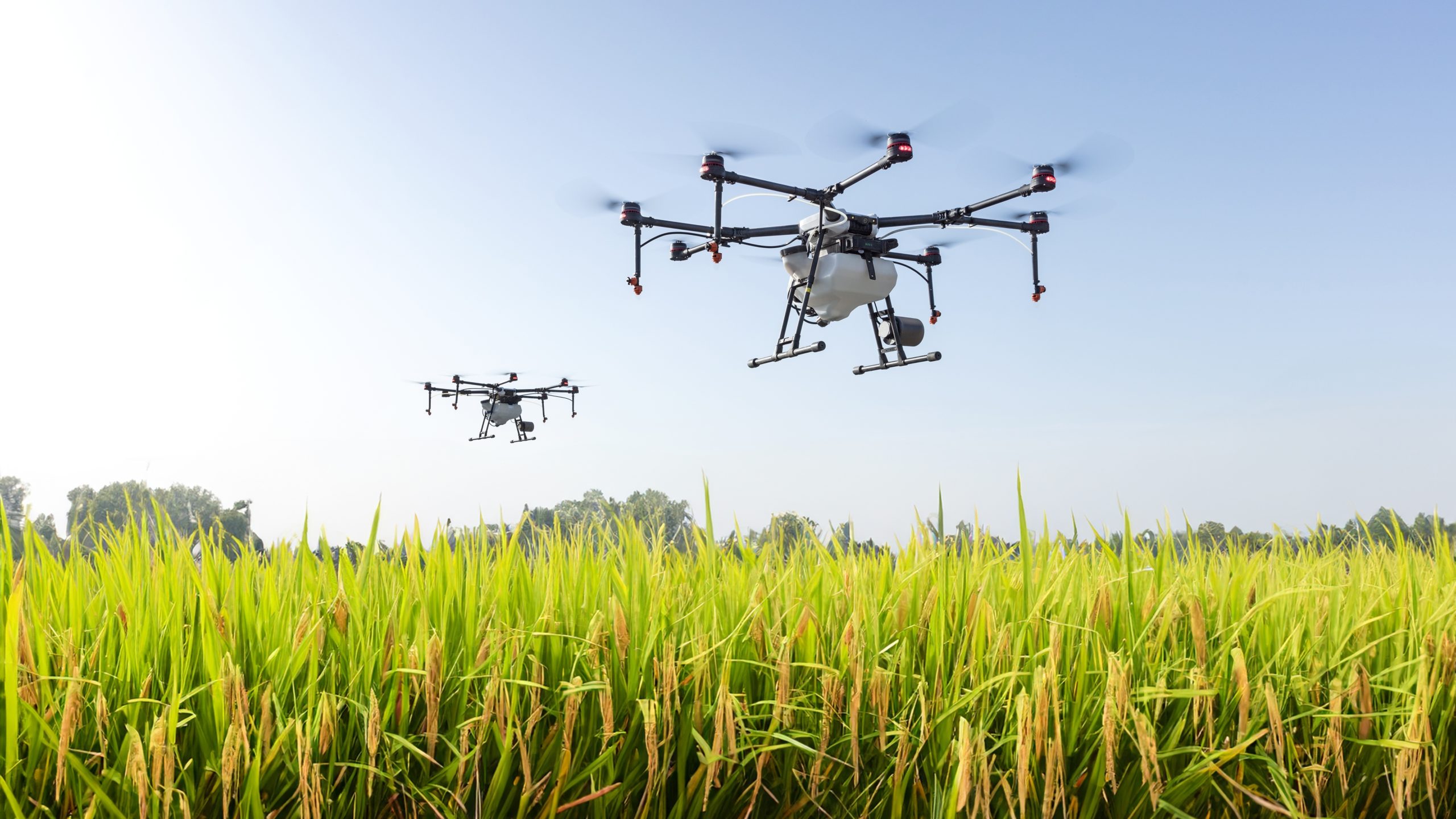
The study, published in the journal Agronomy, focused on 64 farmer-managed fields in China’s Hubei Province. Over two years, researchers captured 41 sets of aerial images, distilling them into 16 distinct features based on canopy greenness and pixel arrangement. By removing background noise like standing water and soil, the models successfully identified four key milestones: early tillering, booting, heading, and the milk-ripe stage.
To achieve this precision, the team utilized a stacking ensemble learning approach. This method combined predictions from four different machine-learning algorithms, allowing a secondary model to interpret patterns in their collective output. While individual models like k-nearest neighbors performed well, the stacked random forest approach pushed accuracy significantly higher, outperforming color-only or texture-only analysis. The most distinctive stage proved to be early tillering, while the transitional period between booting and heading presented the greatest challenge for the software due to subtle visual shifts in the canopy.
Despite these results, the researchers caution that the system remains in a testing phase. The current findings rely on specific environmental conditions and localized data, meaning the technology requires broader validation across different rice varieties and lighting scenarios before it can transition into standard agricultural practice. Future refinements, such as better color calibration and the integration of plant-height measurements, may further improve the model's reliability in identifying the most difficult developmental boundaries.



Comments (0)
No comments yet. Be the first!