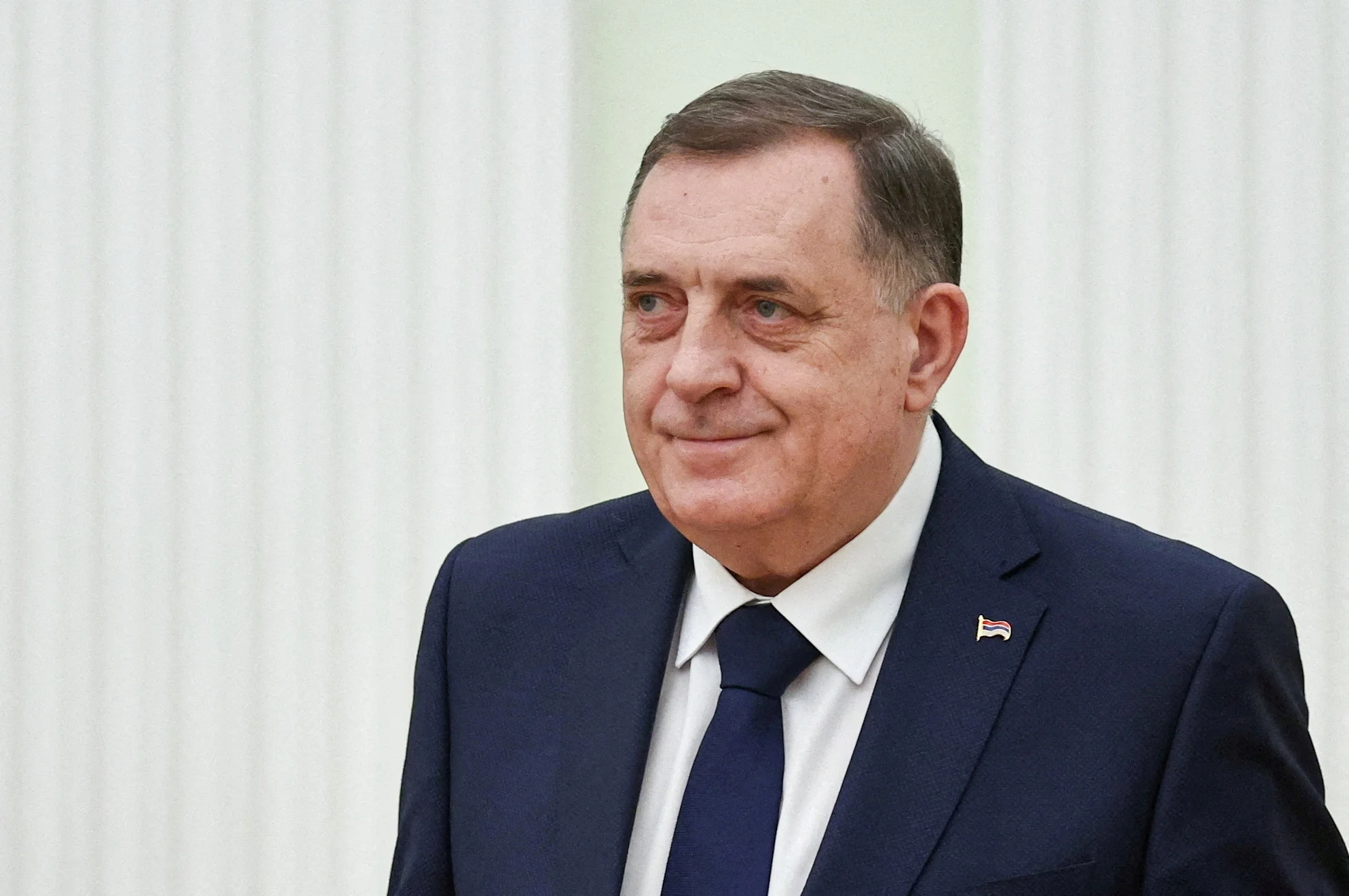
The mechanics of Dodik’s survival are simple: he accepts the legal fine, steps aside from his formal presidency, and continues to dictate policy through the Alliance of Independent Social Democrats (SNSD). This strategy has transformed a judicial punishment into a repeatable playbook for any political leader in the region. By placing his name directly on the party ballot and installing loyalists in key positions, Dodik ensures that his grip on the Republika Srpska entity remains untouched by court orders.
This endurance is possible only because the external architecture of the 1995 Dayton peace agreement has eroded. Washington has pivoted away from Balkan nation-building, the High Representative’s office is currently led by an acting envoy lacking the political capital to impose change, and the European Union remains divided, lacking the unanimity required for effective sanctions. With the U.S. focused on other global theaters and the Peace Implementation Council deadlocked over a permanent successor, the mechanisms designed to enforce stability in Bosnia have effectively gone dormant.
As the country heads to the polls, the focus shifts to whether the SNSD can maintain its margins or if the opposition can exploit a weakening base. Regardless of the outcome, the fundamental challenge remains: Dayton has transitioned from a binding legal framework into a set of suggestions that local parties can ignore with impunity. With no referee left to break potential post-election deadlocks—particularly regarding the Croat presidency seat—the survival of the current state structure depends entirely on the political will of the European powers, who have yet to prove they can fill the vacuum left by the American withdrawal.


Comments (0)
No comments yet. Be the first!