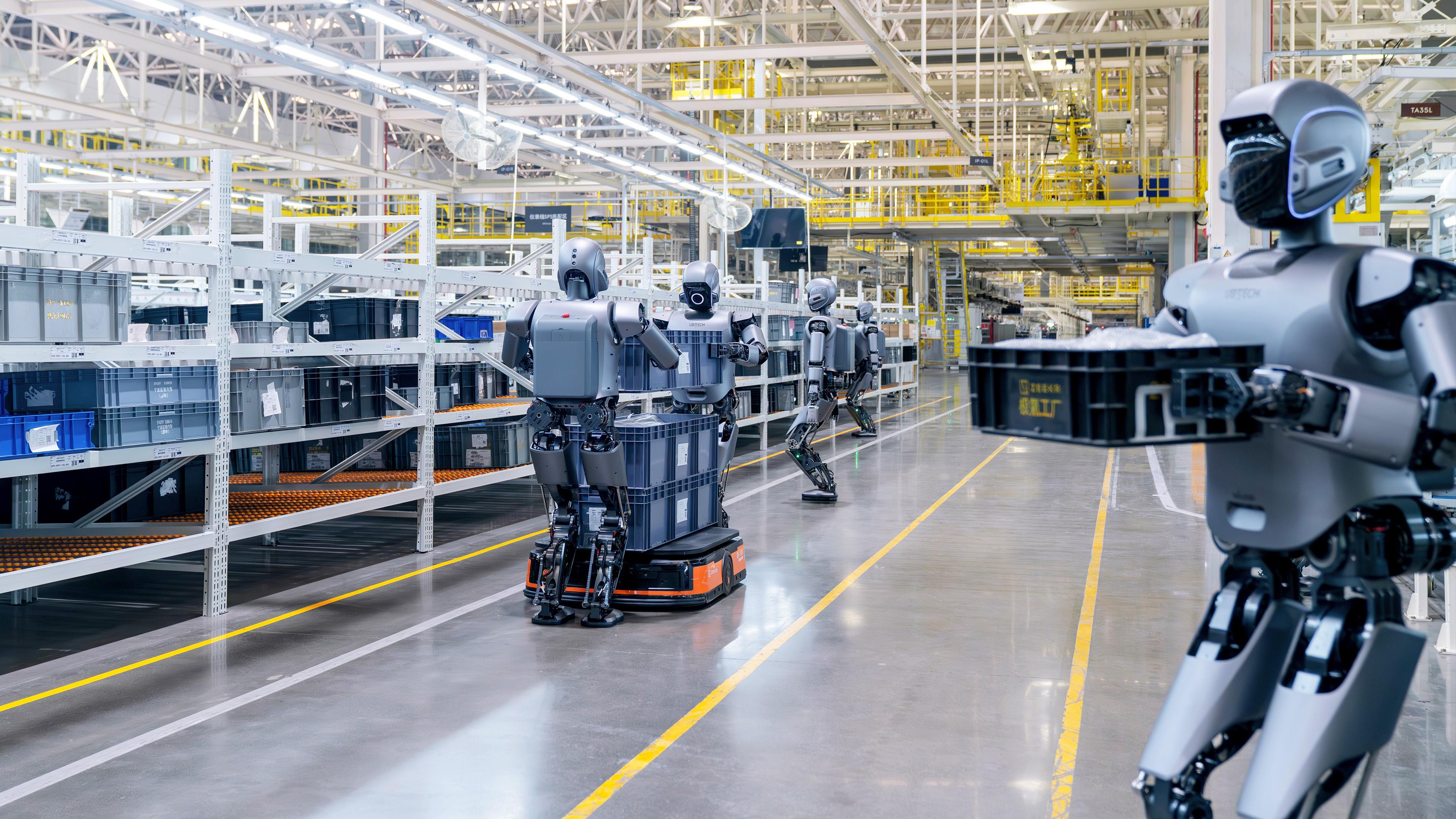
The traditional "Flying Geese" model, which saw manufacturing migrate from Japan to newly industrialized Asian economies, is hitting a wall. China now prepares for a future where more than 400 million people will be over 65 by 2050. While standard economic theory suggests this labor shortage should trigger a mass exodus of factories, rapid advancements in robotics allow firms to substitute machines for increasingly expensive human workers.
The Automation Threshold
Data from the International Federation of Robotics reveals that the ability to offset labor shortages varies sharply by sector. In vehicle manufacturing, where roughly 46.7% of tasks are automatable, a doubling of robot productivity could preserve China’s competitive edge despite a shrinking workforce. However, other industries are less resilient; metals, for instance, would require a 330% increase in robot efficiency to compensate for a 14% drop in labor supply.
Beyond technological hurdles, protectionism acts as a hard ceiling. Simulations show that even a tenfold increase in robot productivity fails to fully restore export volumes if trade barriers rise by 10%. For developing nations like India, the Philippines, and Malaysia, which stand to gain significantly from their younger demographics, the path to industrialization requires more than just a large workforce. Success now hinges on a complex mix of technical education, digital infrastructure, and trade openness. Relying on low wages is no longer a viable strategy in an era where productivity and market access define the new global order.




Comments (0)
No comments yet. Be the first!