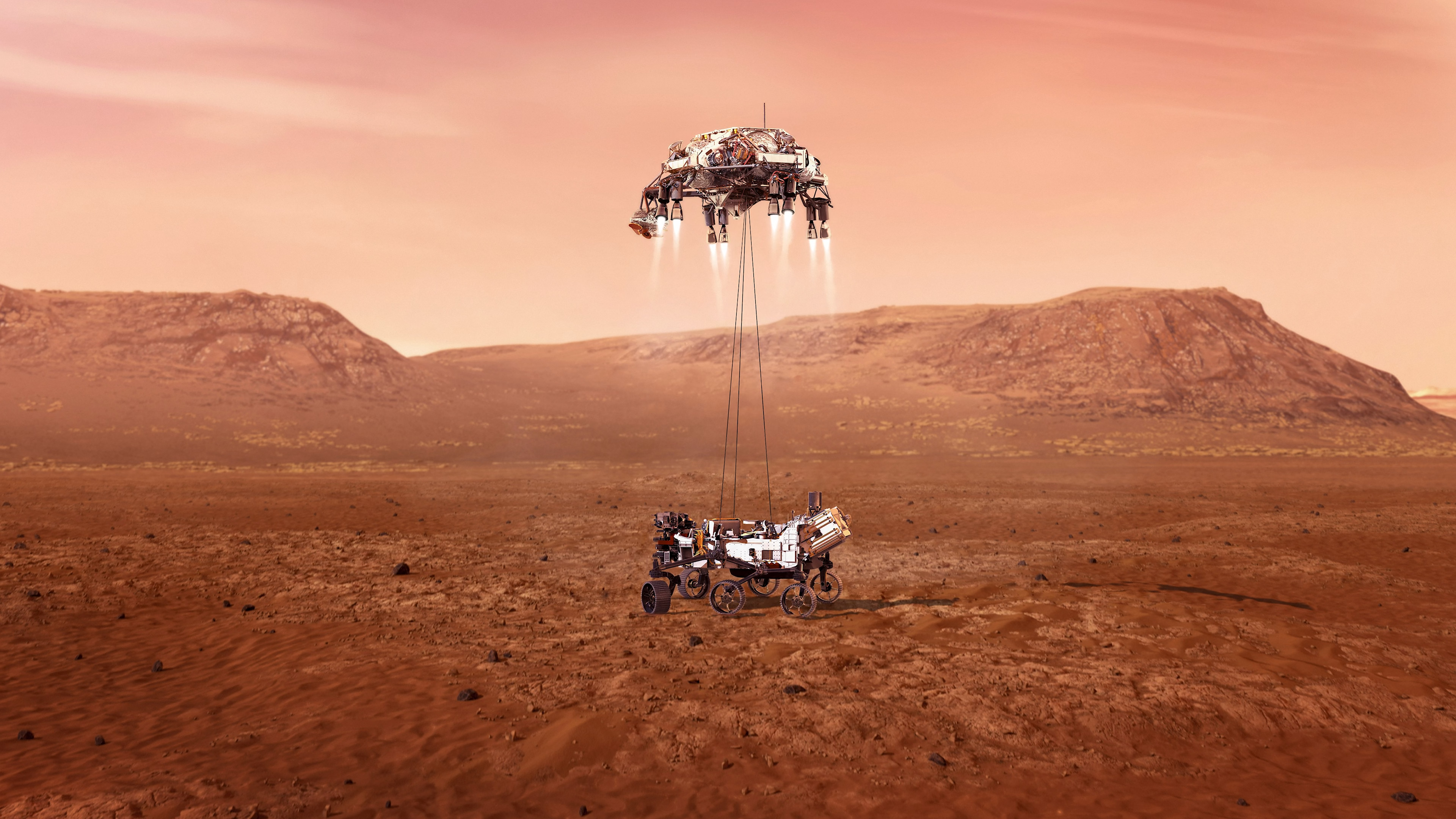
The proposed system, named ANI after the Nigerian goddess of harvest, prioritizes flexibility over static machinery. While current International Space Station crews depend on pre-packaged meals that degrade in nutritional value and flavor over time, Ukeje’s design allows for the preparation of fresh meals during a mission that could span up to 513 Earth days. The infrastructure is built to remain operational despite potential fluctuations in power, water availability, or crew capacity.
NASA’s Deep Space Food Challenge invited innovators to address the logistical burden of feeding a 15-person crew millions of miles from Earth. Jennifer Edmunson, program manager at the Marshall Space Flight Center, noted that the success of future Mars missions hinges on such localized food production. By moving away from Earth-shipped rations, the agency aims to mitigate the risks associated with long-duration space travel, ensuring that astronauts maintain both health and morale throughout their multi-year journey.



Comments (0)
No comments yet. Be the first!