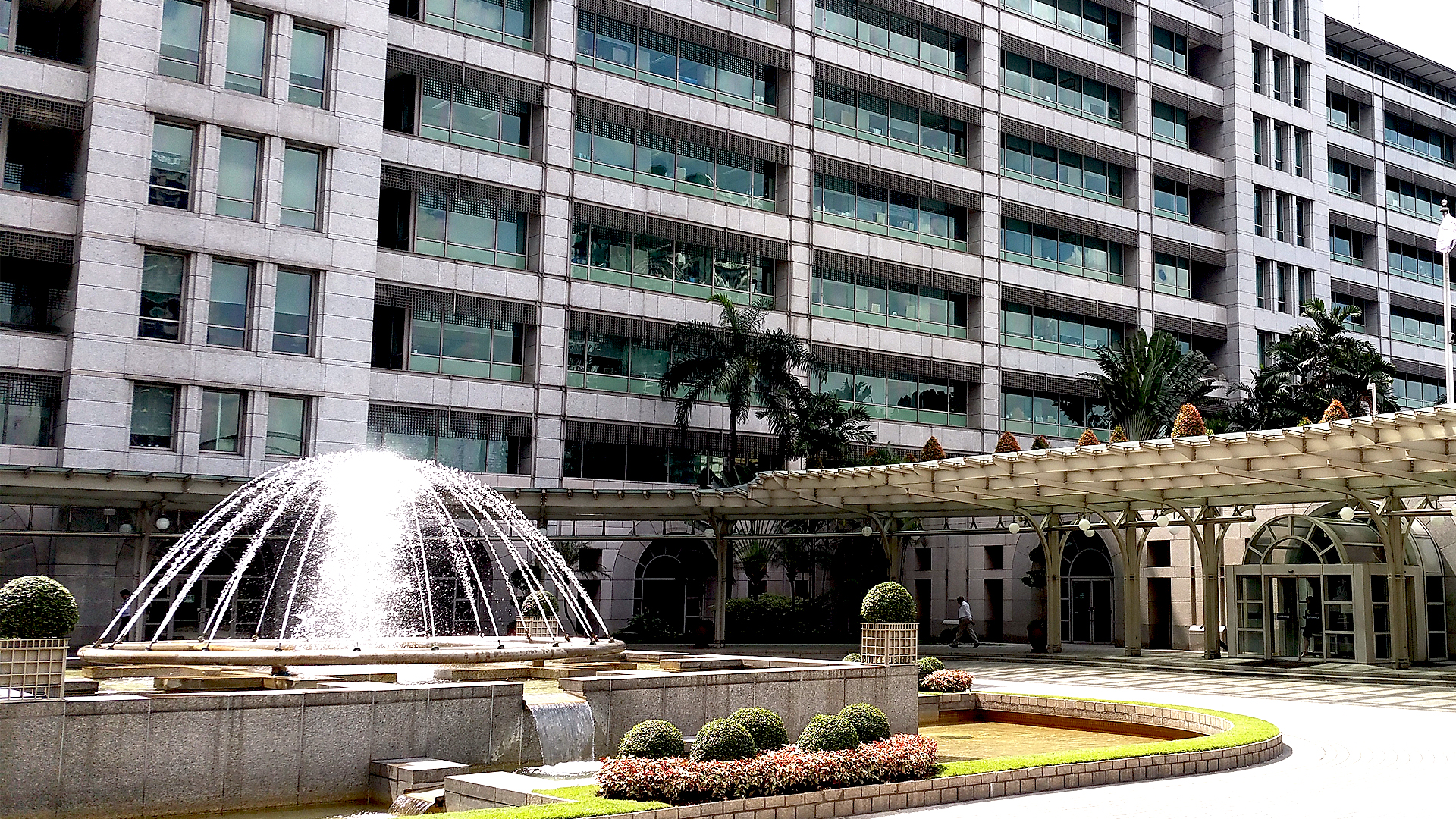
Arsenio Balisacan, Secretary of the Philippines' Department of Economy, Planning, and Development, challenged attendees to look past traditional export metrics. He argued that the true value of services trade lies in how it boosts domestic productivity and connects diverse firms to global markets. WTO Deputy Director-General Johanna Hill echoed this sentiment, noting that developing economies often struggle to treat services as a primary growth engine rather than a mere support function for manufacturing.
To bridge this gap, the World Bank and WTO launched TS4D in September 2024. The program provides governments with regulatory databases, competitiveness dashboards, and technical assistance. Gonzalo Varela of the World Bank emphasized that these tools help officials prioritize specific reforms in critical sectors like transport and professional services. By opening these industries to competition, nations can lower operational costs for all businesses, effectively fueling wider economic growth.
ADB Vice-President Wempi Saputra highlighted that regional cooperation remains essential for success. Aligning common rules and sharing the costs of reform allows smaller economies to secure gains that would be unattainable through isolated national efforts. Following the Manila talks, government officials underwent specialized training to master the analytical resources now available under the TS4D framework.


/newsdrum-in/media/media_files/RlqN3PnSIra9BSUnnb0f.jpg)
Comments (0)
No comments yet. Be the first!