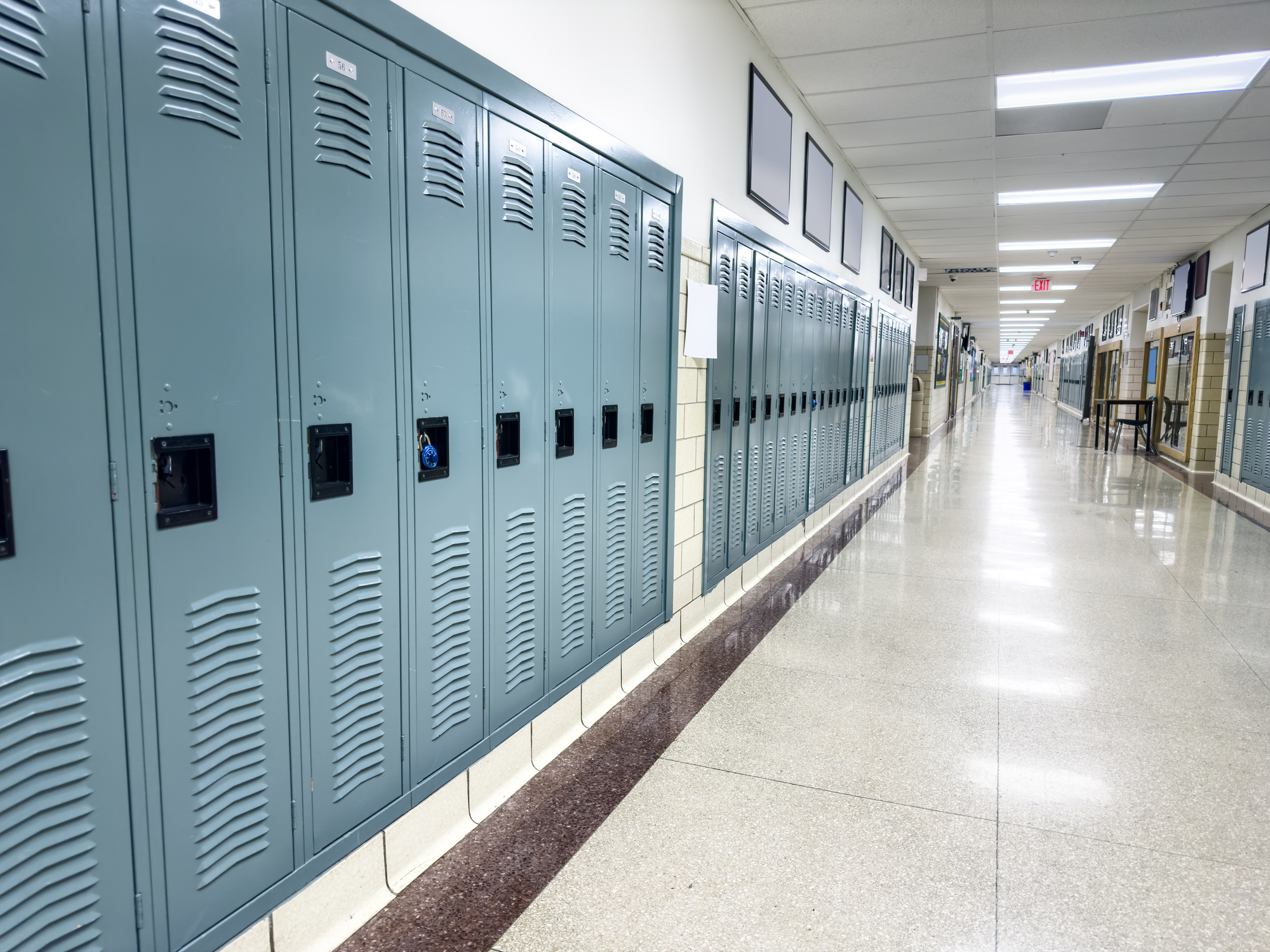
The U.S. Bureau of Justice Statistics reported that in 2024, students aged 12 to 14 experienced 7.5 theft victimizations per 1,000 students, significantly higher than the 3.0 rate observed among their older peers. While the FBI’s 2025 report on school crime recorded over one million incidents—largely driven by larceny and theft—these figures underscore a need for better organization. Without dedicated storage, personal items such as laptops and sports equipment often clutter hallways or remain unsecured in classrooms, creating avoidable risks.
Effective storage design requires balancing functionality with spatial constraints. Administrators must account for corridor congestion, ventilation, and the durability of locking mechanisms when selecting hardware. Whether opting for new systems or refurbished units to manage budget constraints, the goal is to integrate storage into the broader school environment. By streamlining daily routines, schools can improve campus oversight and reduce the friction that complicates supervision, ensuring that infrastructure supports, rather than hinders, a secure learning atmosphere.


Comments (0)
No comments yet. Be the first!