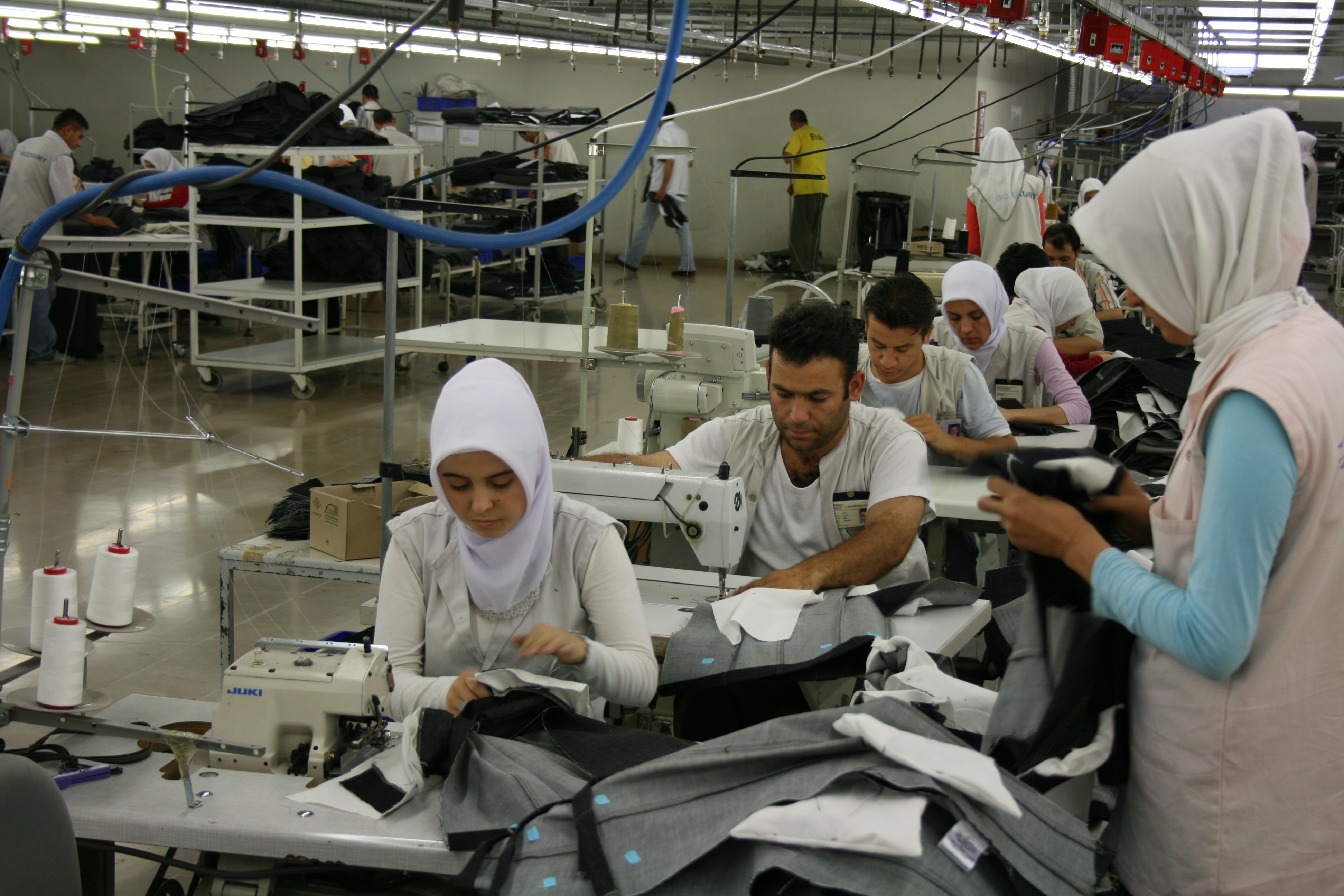
Since 2018, the project has tackled systemic barriers to employment by combining the Work-Based Learning Programme with the KİGEP subsidy scheme, which offsets social security costs for formal hiring. These mechanisms have provided 65 percent of participants with long-term job security beyond the initial support period. ILO Türkiye Director Yasser Hassan highlighted that the initiative has reached 67,000 individuals, emphasizing that formal contracts provide not just wages, but essential healthcare and workplace safety for families.
The next phase shifts focus toward institutional integration, expanding workplace learning via Chambers of Tradesmen and Artisans in cities like Gaziantep, Mersin, Bursa, and Istanbul. Beyond core job placement, the project introduces a digital platform to assist Syrians considering voluntary return, offering labor market insights and reintegration guidance. By embedding these services within local BİLMER information centres and government frameworks, the program seeks to bolster micro-enterprises and ensure that the infrastructure for decent work remains functional long after the current funding cycle concludes.



Comments (0)
No comments yet. Be the first!