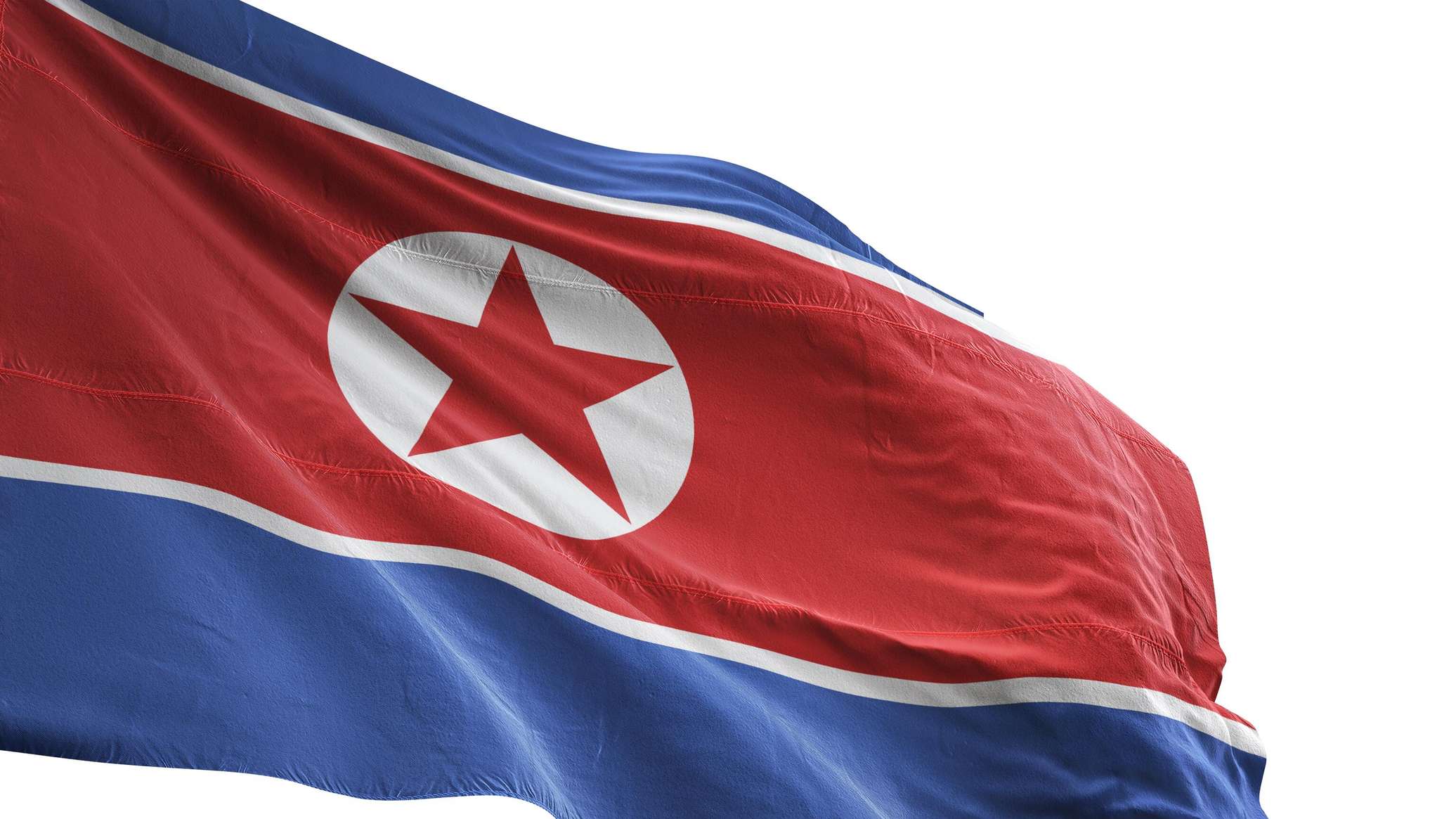
The arrival of these individuals marks a rare intersection of the conflict in Ukraine and the volatile dynamics of the Korean Peninsula. South Korea’s Unification Ministry has signaled that their cases will be reviewed under the North Korean Defectors Protection and Settlement Support Act. This process, overseen primarily by the National Intelligence Service, involves identity verification and security screening that can span 90 days or longer. Given their special forces background, authorities are expected to prioritize intelligence gathering regarding Pyongyang’s military deployments in Russia’s Kursk region.
The transfer has ignited debate over international humanitarian standards. While the Third Geneva Convention generally mandates the repatriation of prisoners of war, legal experts suggest the principle of non-refoulement—which prohibits returning individuals to countries where they face torture or persecution—takes precedence here. Lee Shin-wha, a professor at Korea University, notes that the soldiers' explicit desire to defect, coupled with the grave risks they would face in North Korea, provides a robust basis for Seoul to grant them asylum.
Beyond the legal hurdles, the case has strained relations between Seoul and Kyiv. South Korean officials expressed frustration after President Volodymyr Zelenskiy publicly disclosed the transfer, claiming it violated a confidential agreement intended to ensure the safety of the soldiers and their families. While Ukraine denies the existence of such a pact, the diplomatic fallout underscores the sensitivity of Seoul’s cautious stance on the war. As the soldiers undergo psychological and security evaluations, the government must balance its humanitarian obligations with the need to manage a delicate geopolitical situation that links the war in Europe to the stability of the Korean Peninsula.


Comments (0)
No comments yet. Be the first!