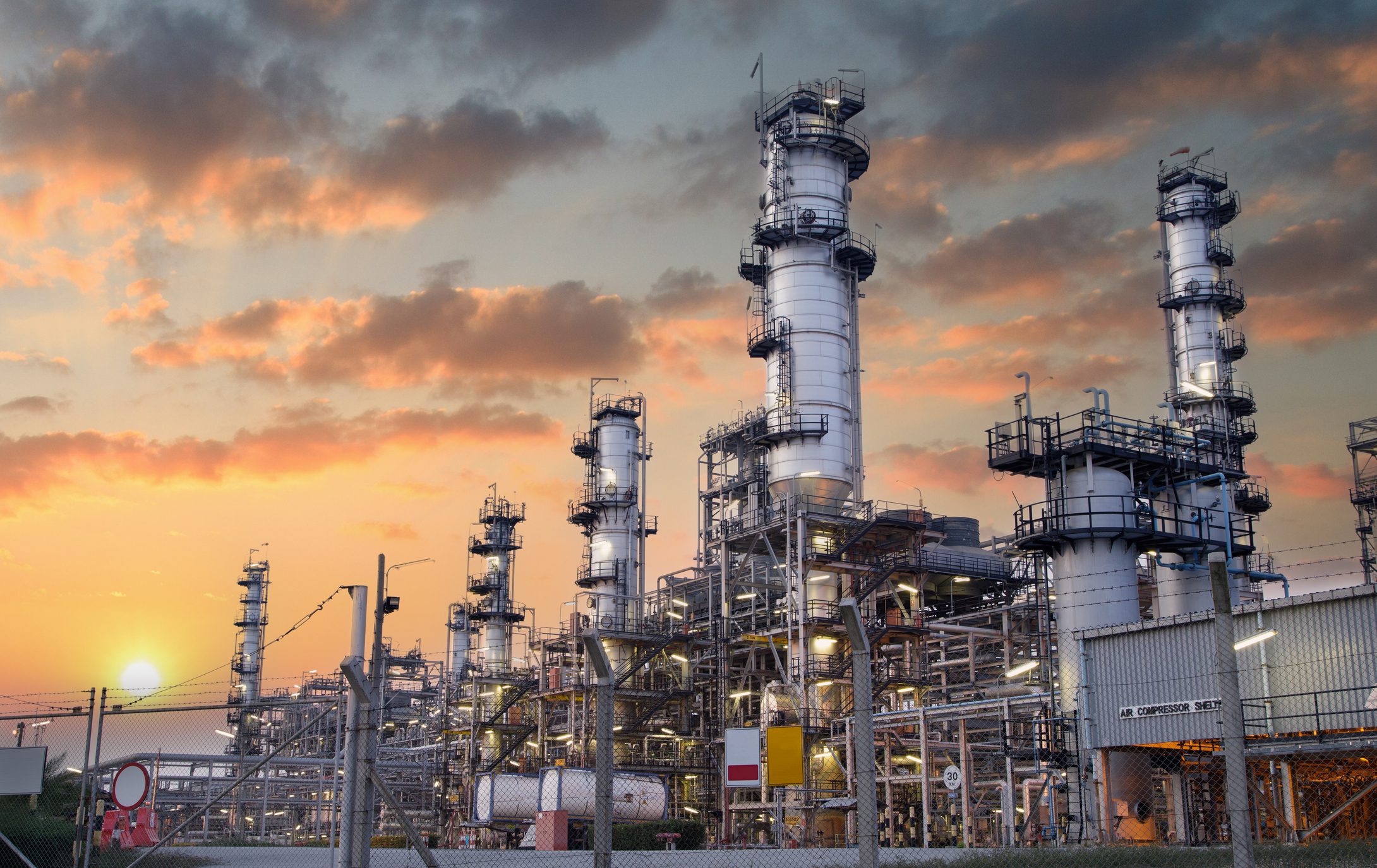
The US has emerged as the world’s critical swing supplier of diesel, with exports hitting a record 1.6 million barrels a day in August. This reliance is particularly acute in Europe, where the US now provides 32% of diesel imports, and in Mexico, which faces a precarious supply situation with less than six days of fuel stocks. While domestic proponents argue that a ban could offer temporary price relief for American consumers, economists warn that any such benefit would be fleeting, likely pushing prices back up within weeks as refineries reduce output.
Beyond the economic fallout, the policy represents a fundamental shift in foreign strategy. Unlike the price shocks caused by Iranian interference, which impact global markets indiscriminately, a targeted US ban would essentially choose which nations suffer fuel shortages. If Washington cuts off shipments to France, the UK, or Mexico, it undermines the reliability that the US has spent years cultivating as an energy partner. Such a move would likely prompt allies to reconsider their participation in maritime security missions in the Gulf and potentially drive import-dependent nations toward Russian supply once Moscow’s own export restrictions lapse. Ultimately, by prioritizing short-term domestic political optics over long-term alliances, Washington risks trading global influence for a temporary and potentially counterproductive domestic discount.



Comments (0)
No comments yet. Be the first!