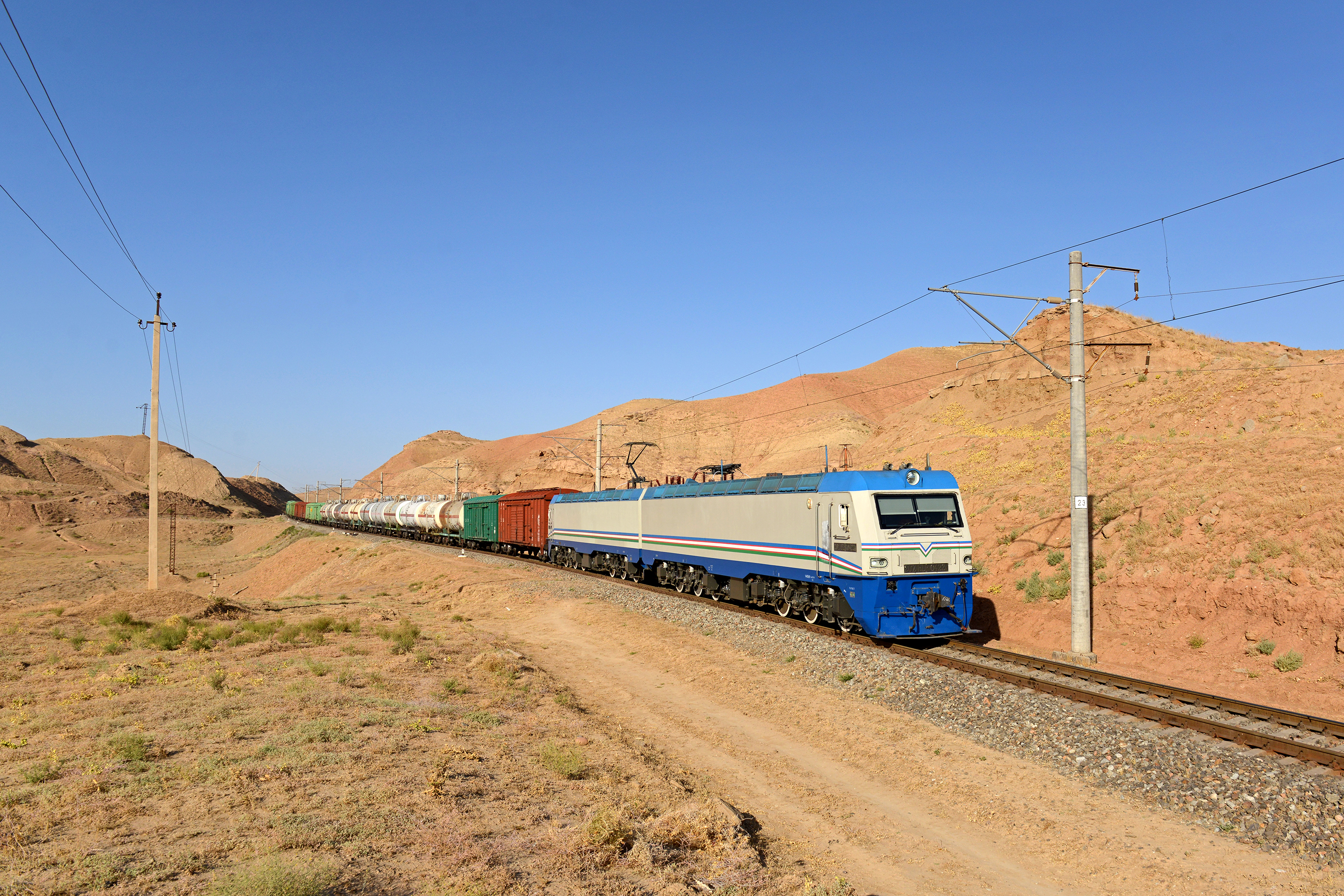
The proposed TRIPP corridor—a rail and pipeline route through Armenia’s Meghri district—was designed to link Azerbaijan to its Nakhchivan exclave under a U.S.-led framework. Yet, progress has stalled at an initial $400 million tranche, with no private operator named and Armenia’s rail network still tied to a Russian-held concession. Meanwhile, Turkey and Azerbaijan have committed €2.4 billion to the Kars-Dilucu railway, a line designed to bypass Armenia entirely. Construction is slated to begin in late 2026, signaling that Baku and Ankara no longer view the Meghri route as a logistical necessity.
This shift reflects a broader trend across the Trans-Caspian International Transport Route, or Middle Corridor. While the 43-kilometre Armenian segment dominates political headlines, the real infrastructure capital is flowing elsewhere. The EU has pledged €22 billion under its Global Gateway program, while China, Kazakhstan, and Uzbekistan have spent the last two years digitizing operations and expanding fleet capacity at the Port of Alat. These investments are moving forward independently of the Armenia-Azerbaijan peace process. If the Kars-Dilucu project breaks ground as scheduled, it will serve as the market’s definitive verdict: the region is building redundancy, and Armenia risks being left on the periphery of the trade network rather than serving as its bridge.




Comments (0)
No comments yet. Be the first!