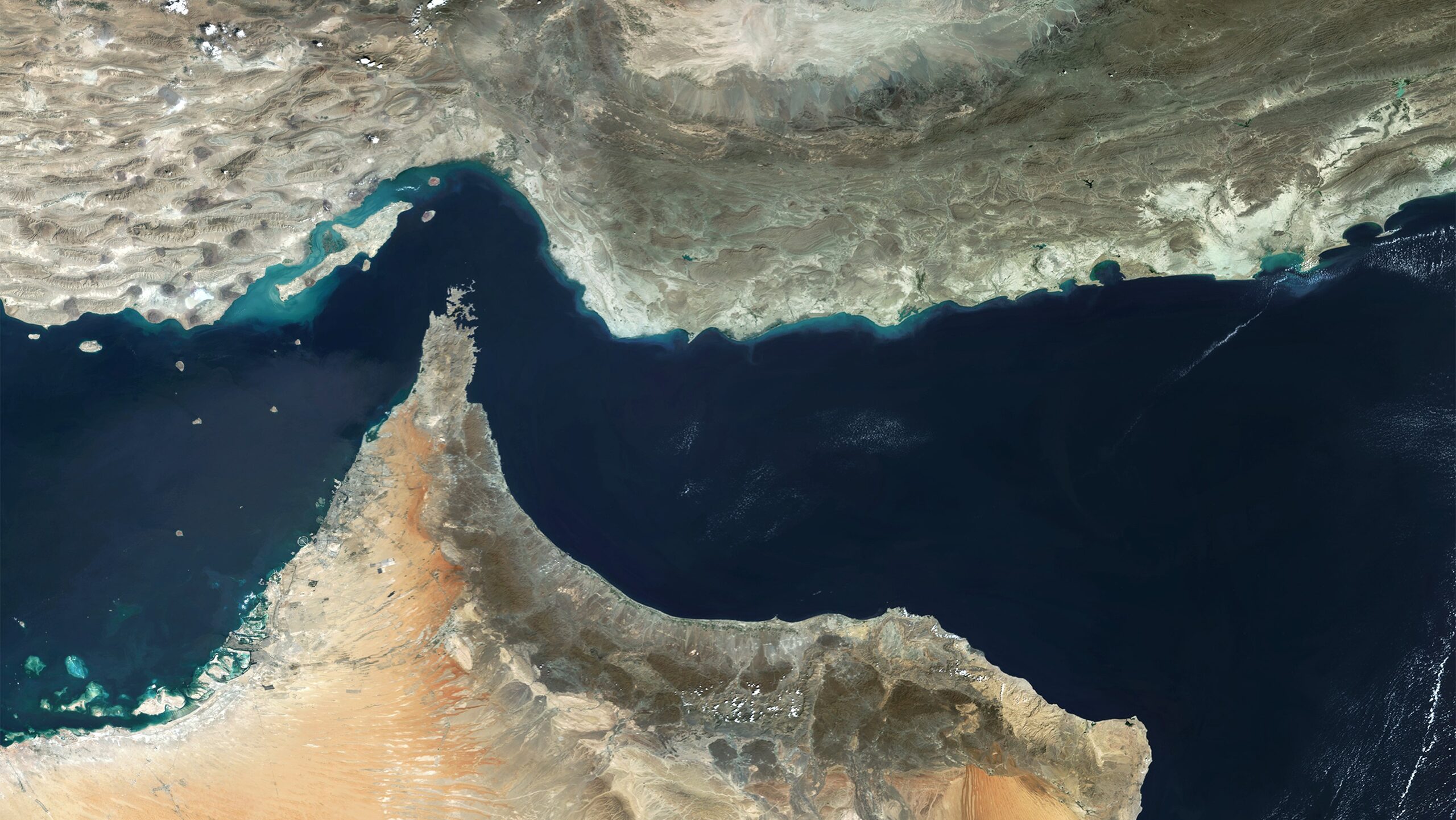
The proposal, delivered via intermediaries, mirrors a failed memorandum of understanding from June. Araghchi stated that if Washington accepts the terms, the waterway—which facilitates the transport of roughly one-fifth of global energy supplies—could be fully operational within seven days. While the minister maintained that Tehran is not rushing the process, he suggested that finalizing a deal before the U.S. midterm elections would be preferable. The status of Iran’s nuclear program, however, remains a central point of contention, and Araghchi declined to specify whether the new plan addresses these long-standing safeguards.
Washington remains cautious regarding the offer. An official familiar with the discussions described the dialogue as constructive but emphasized that the United States feels no pressure to expedite an agreement, citing current control over the Strait and the continued flow of approximately 22 million barrels of oil per day. Tensions remain high following a volatile period in which Iran mined the waterway in response to February attacks by the U.S. and Israel, effectively throttling shipping traffic.
Diplomatic rhetoric continues to clash with the reality on the ground. President Donald Trump recently conditioned a potential deal on Iran avoiding "annihilation," a statement that triggered a walkout by the Iranian delegation at the UN General Assembly. President Masoud Pezeshkian countered by asserting Iran's right to develop peaceful nuclear technology, framing the nation's military strength as a necessary deterrent against external threats. Despite the public posturing, the proposal marks a rare moment of direct diplomatic maneuvering in a conflict defined by economic pressure and military posturing.



Comments (0)
No comments yet. Be the first!