
The capital injection will bolster the government’s Unified Package for Livelihoods, Industry, Food, and Transport. By leveraging the bank’s Countercyclical Support Facility, officials intend to deploy fare discounts, electricity subsidies, and agricultural assistance to protect small-scale farmers, fisherfolk, and transport operators. These measures are designed to mitigate the domestic impact of external price shocks, which have tightened household budgets nationwide.
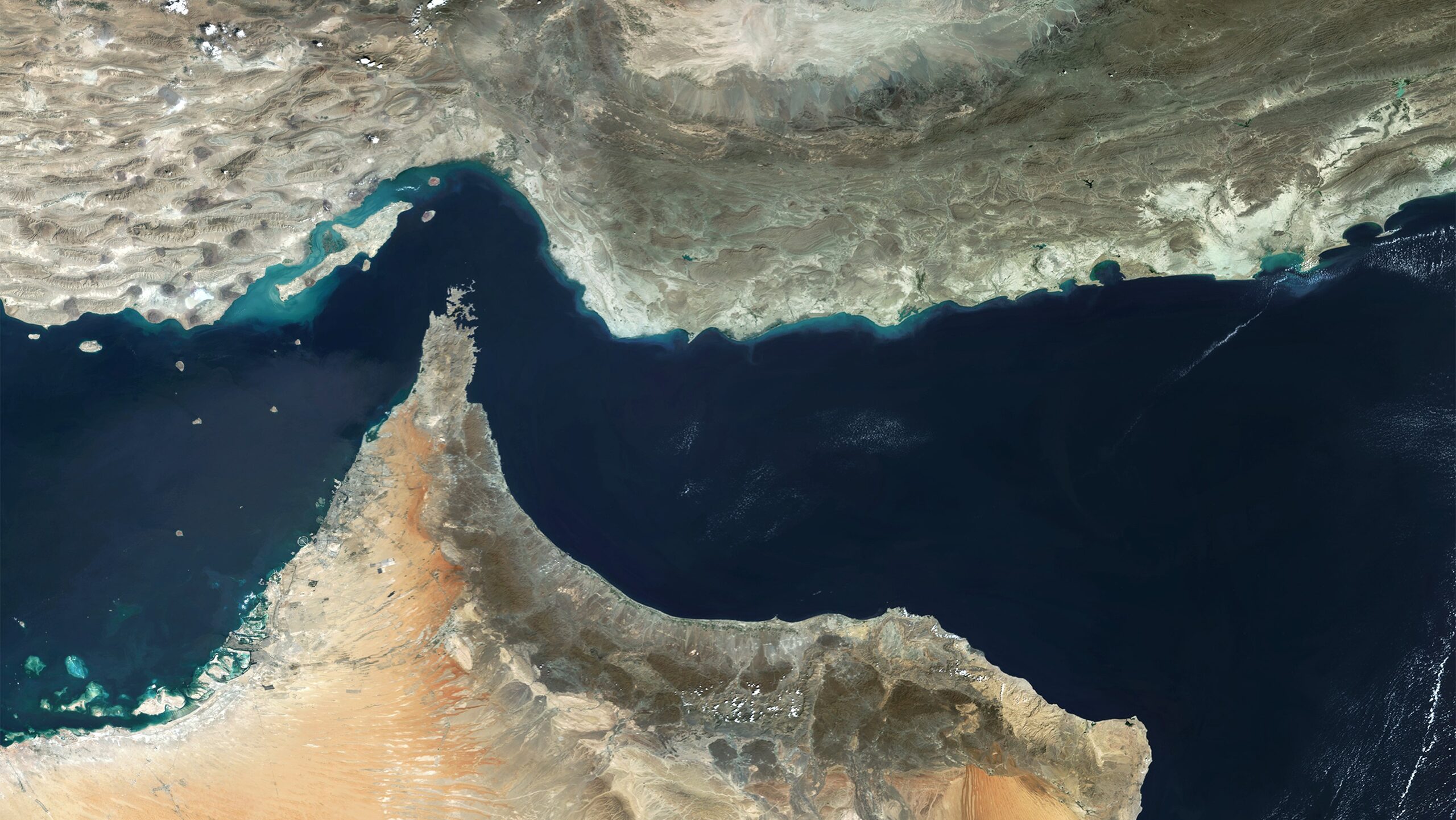
Economic exposure remains a primary concern, as the Philippines relies on the Middle East for nearly all of its fuel imports and a significant portion of its fertilizer supply. Furthermore, the conflict has disrupted the labor market; approximately 1.1 million Filipinos worked in the region in 2025, contributing roughly 18% of the country’s $35.6 billion in total remittances. With labor deployment declining, this funding serves as a critical buffer for families dependent on overseas earnings, extending support to returning workers who require assistance rebuilding their livelihoods.



Comments (0)
No comments yet. Be the first!