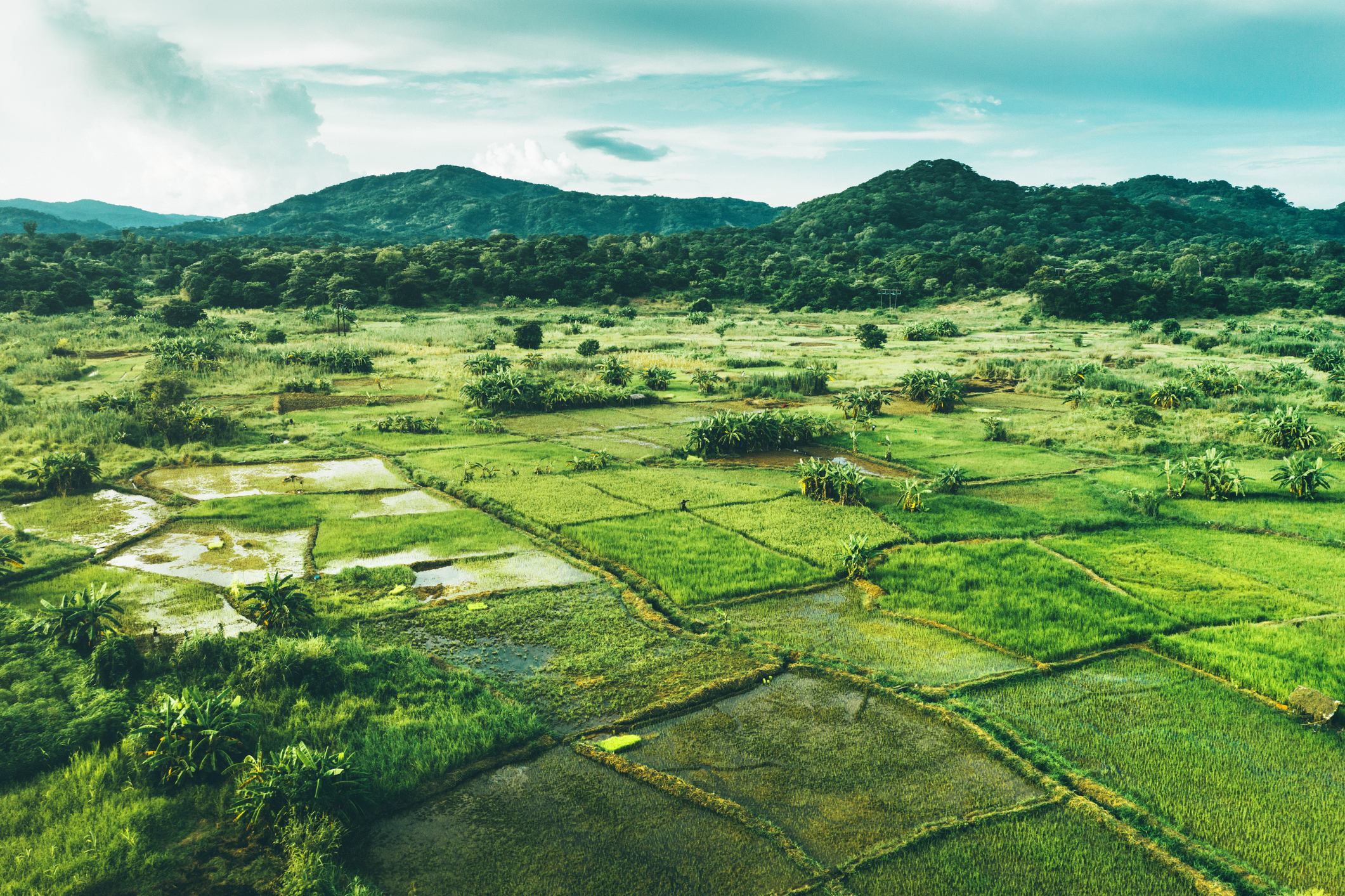
The World Bank’s latest Economic Monitor paints a stark picture of a nation held back by structural weaknesses and persistent external shocks. Although literacy rates have improved, the average citizen is increasingly squeezed by high inflation, particularly regarding food and energy costs. Businesses struggle to expand in an environment defined by unreliable electricity, foreign exchange shortages, and supply chain fragility. Agriculture, the backbone of the economy, remains dangerously vulnerable to climate volatility and a lack of investment in export value chains.
Fiscal health is further compromised by the burden of debt servicing, which consumes a significant portion of government revenue, leaving little room for essential infrastructure or social protection. Foreign exchange reserves currently cover less than one month of imports, a bottleneck that restricts access to necessary goods and hampers export competitiveness. The report highlights that an IMF-supported program is essential to restore policy credibility and unlock the concessional financing required to move beyond current constraints.
State-owned enterprises represent a major source of hidden fiscal risk. Many of these entities, which manage critical services like electricity and water, are plagued by political interference and weak oversight. Their financial instability often results in repeated bailouts, draining resources that could otherwise support economic development. The World Bank argues that moving toward independent boards, cost-reflective tariffs, and rigorous debt management is the only way to break the cycle of dependency and improve service delivery for the public.
Comments (0)
No comments yet. Be the first!