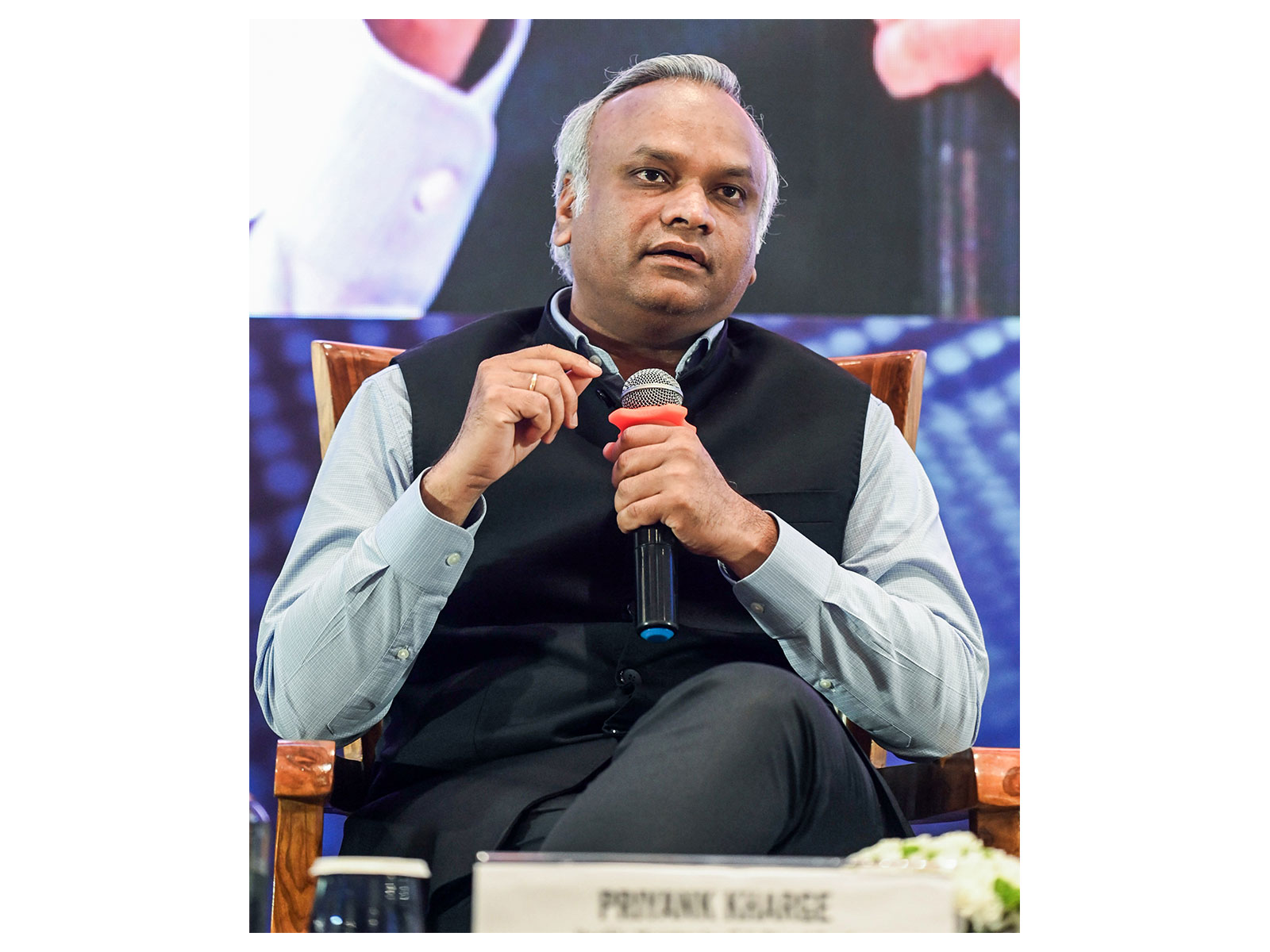
Kharge claims the current administration is positioning Election Commissioner Gyanesh Kumar as a sacrificial figure to deflect from deeper structural flaws. He argues that the legal protections granted to the Chief Election Commissioner against civil or criminal proceedings represent a deliberate concentration of power designed to undermine institutional autonomy. According to Kharge, the erosion of these bodies serves to sustain a culture of cronyism, placing the burden of responsibility on national leadership rather than individual appointees.
The debate intensifies as the Congress Working Committee prepares to convene on September 29 to address these procedural concerns. Former Election Commissioner Om Prakash Rawat noted that the ECI functions as a multi-member body requiring consensus or a majority vote for valid decisions. Rawat pointed out that the commission potentially exceeded its mandate by altering Form 6 requirements without presidential or parliamentary approval. While the Election Commission maintains that all decisions were taken unanimously, the ongoing friction highlights a widening gap between statutory rules and current administrative practices.


Comments (0)
No comments yet. Be the first!