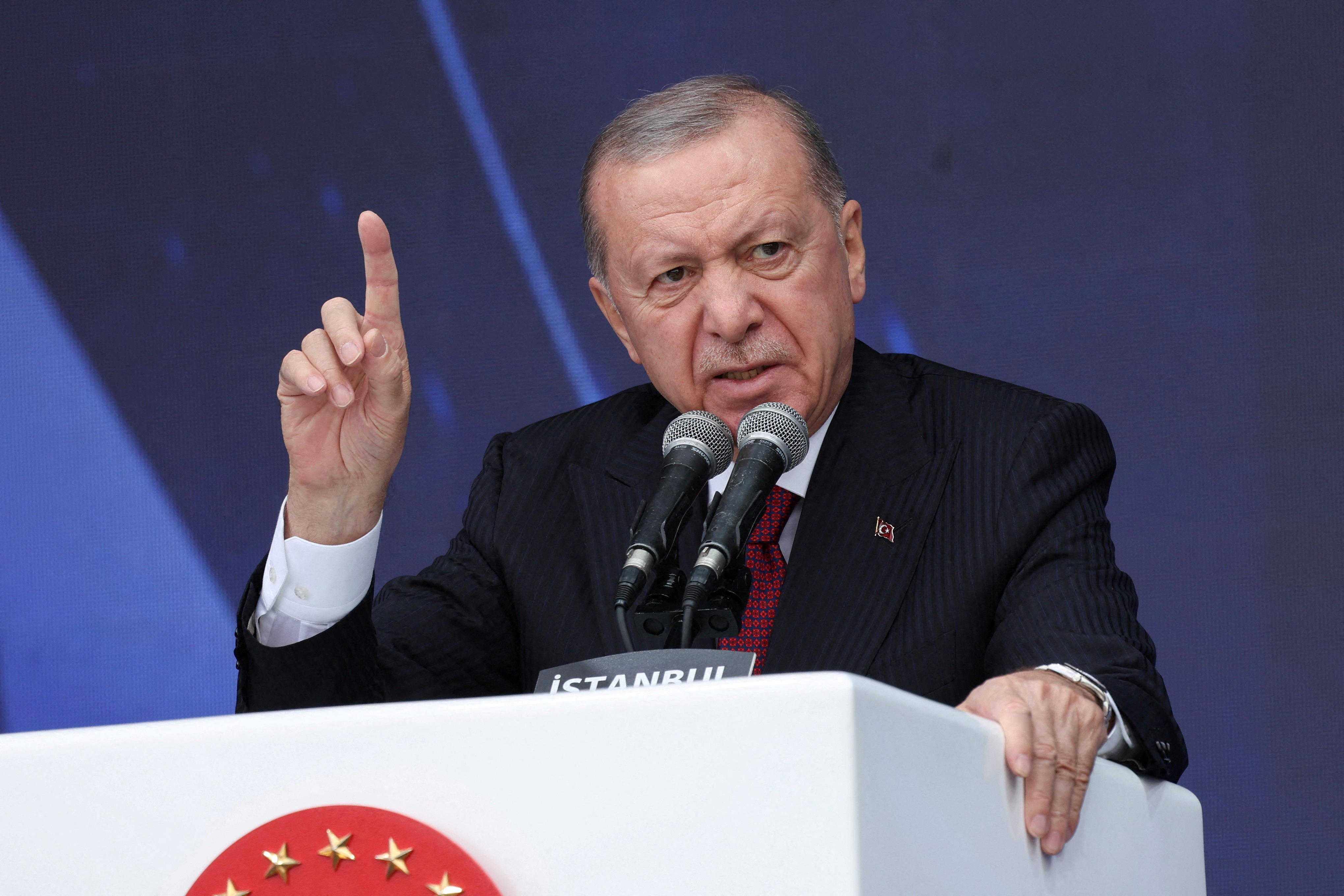
Erdogan argued that imposing uniform climate expectations on nations with vastly different economic capacities is inherently unrealistic. He stated that policies must align with individual national development priorities, warning that any proposal failing to account for societal and economic realities is destined for failure. For Turkey, a sustainable transition depends entirely on linking environmental objectives directly to economic prosperity, ensuring that developing states are not forced to choose between poverty reduction and climate action.
To address these systemic imbalances, Turkey is coordinating an unusual partnership with Australia for the November 2026 summit. While Australia will lead the formal diplomatic negotiations, Turkey will oversee the action agenda, focusing on translating pledges into measurable outcomes. This strategy includes ambitious national targets, such as raising electricity’s share of total energy consumption to 35% by 2035 and aggressively reducing municipal waste.
Diplomatic efforts are already underway to amplify the voices of vulnerable regions. Turkey has scheduled pre-COP meetings in Fiji and Tuvalu to integrate the concerns of Pacific island states into the summit’s core agenda. By prioritizing implementation over mere target-setting, Ankara aims to transform the long-standing dispute over climate finance into practical mechanisms that allow nations at varying stages of development to meet their commitments without compromising their economic security.



Comments (0)
No comments yet. Be the first!