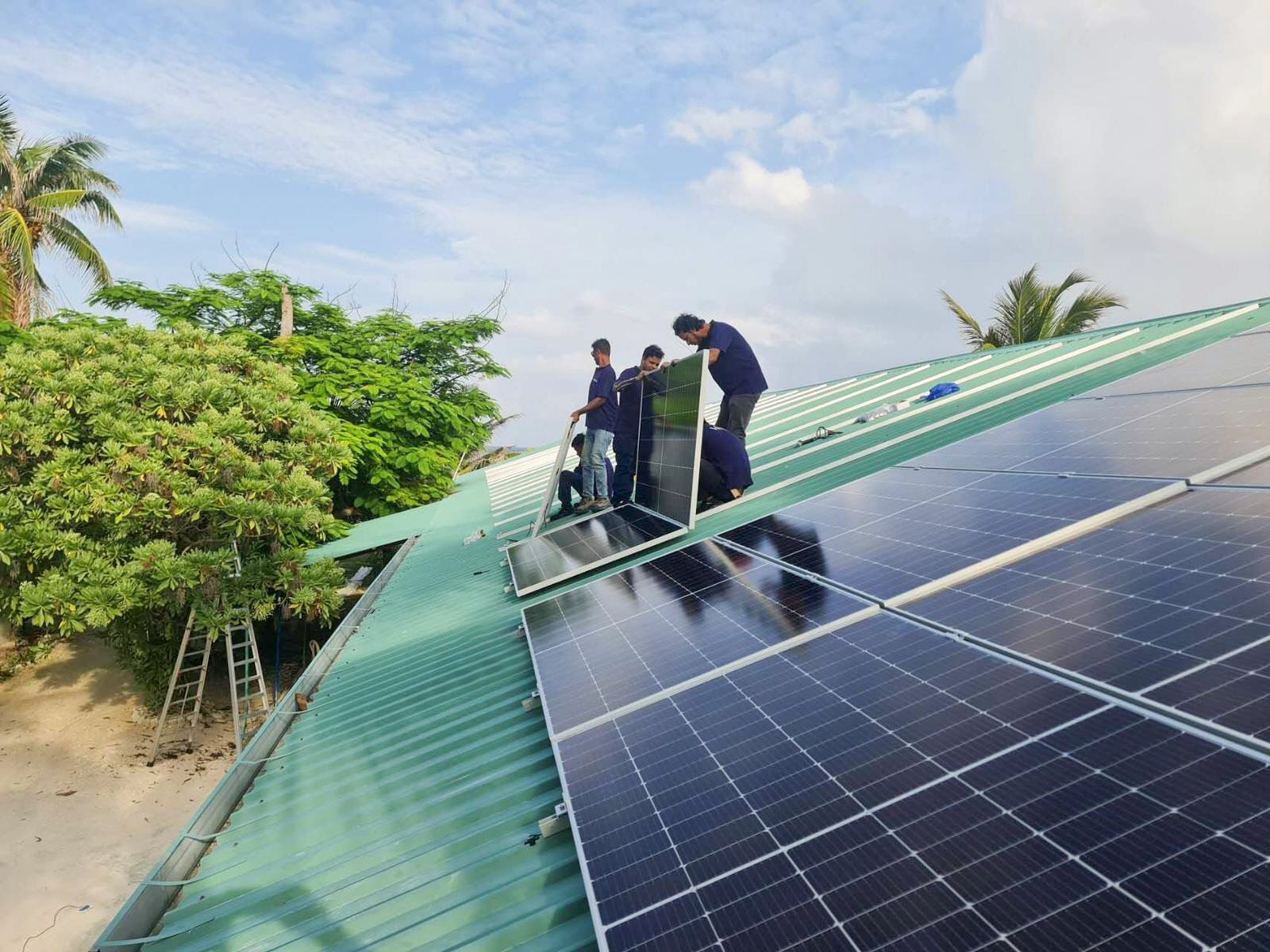
The partnership strategy focuses on two core pillars: fiscal management and energy diversification. For an economy frequently strained by fuel subsidies, the shift toward solar power, battery storage, and waste-to-energy projects serves as a critical budgetary lever. Thiam Hee Ng, the bank's regional head, noted that the country’s reliance on imported fuel, paired with intense weather patterns, leaves the Maldives uniquely vulnerable to external shocks.
Institutional reforms will target state-owned enterprises and revenue administration to tighten debt management. These efforts are designed to create the fiscal space necessary for climate resilience projects, such as coastal erosion protection and flood mitigation. By integrating private sector participation and digital transformation, the plan intends to move beyond simple financing, focusing instead on long-term systemic stability. Since the partnership began in 1978, the bank has committed $606 million to the archipelago, a relationship that now aligns with broader development goals set alongside the World Bank and the International Monetary Fund.



Comments (0)
No comments yet. Be the first!