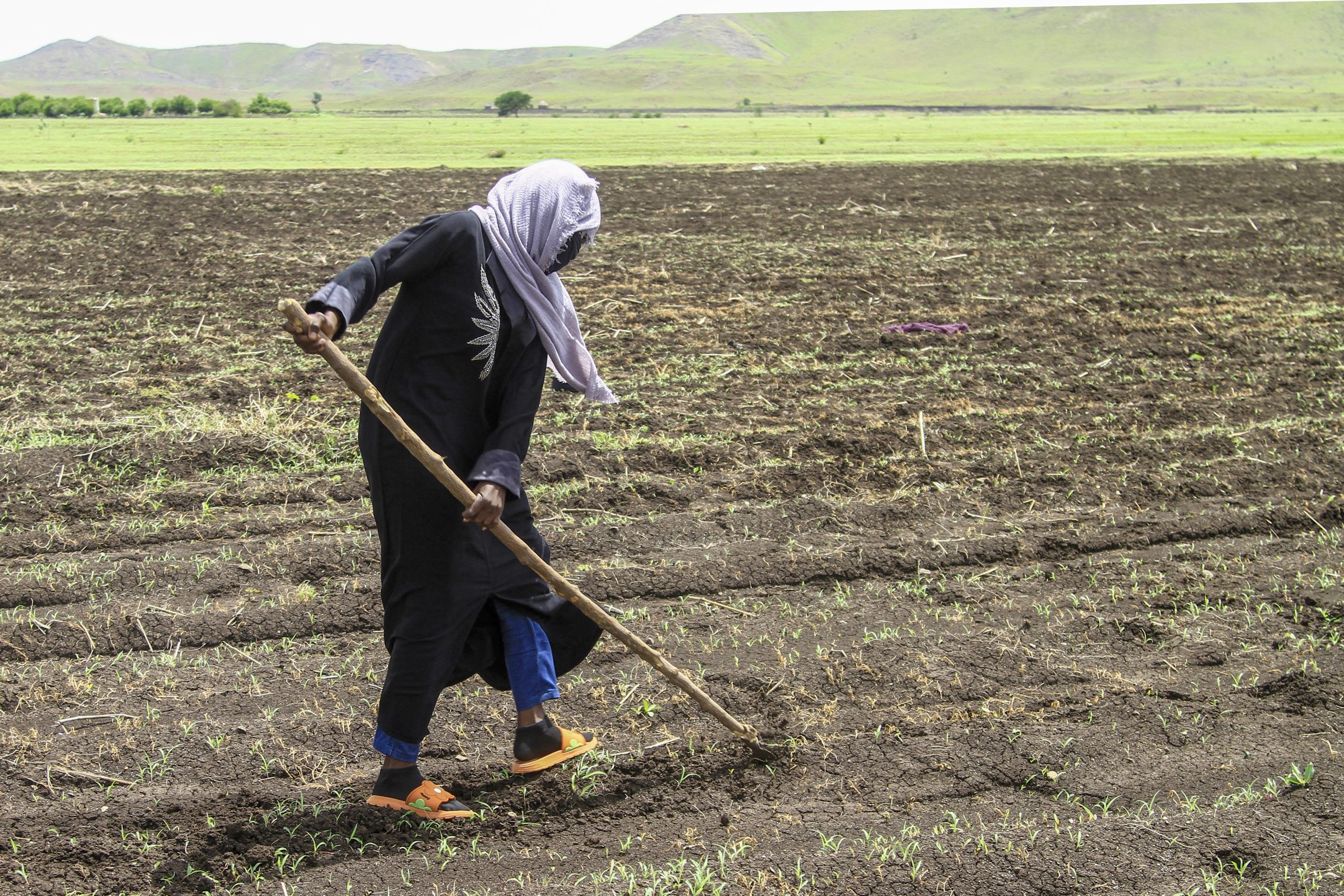
The Boosting Agrifood Systems Resilience in Sudan (BOOST) program, launched on 15 September, focuses on revitalizing the agricultural backbone of the country. By providing access to climate-resilient seeds and modern production technologies, the project seeks to increase total agricultural productivity by approximately 25%. The goal is to generate 980,000 tonnes of produce valued at $468 million, effectively covering 1.16 million hectares of farmland.
A central pillar of the initiative involves reducing post-harvest waste, which currently claims a significant portion of rural earnings. To combat this, the program will distribute 1.2 million airtight storage bags and rehabilitate 140 community-managed processing facilities. This infrastructure is expected to cut losses by up to 25%, allowing farmers to shift from subsistence to market-oriented production.
Beyond technical support, the program prioritizes economic empowerment for women and youth. Through mentorship, training, and access to finance, the project aims to foster local entrepreneurship. David Muthusi Mutuku, the Bank Group's Country Manager for Sudan, framed the initiative as an investment in the capacity of Sudanese people to build their own enterprises. The project, implemented in partnership with the World Food Programme, the FAO, and UN Women, builds upon earlier successes, such as the Sudan Emergency Wheat Production Project, to stabilize livelihoods in a region struggling with severe economic disruption.



Comments (0)
No comments yet. Be the first!