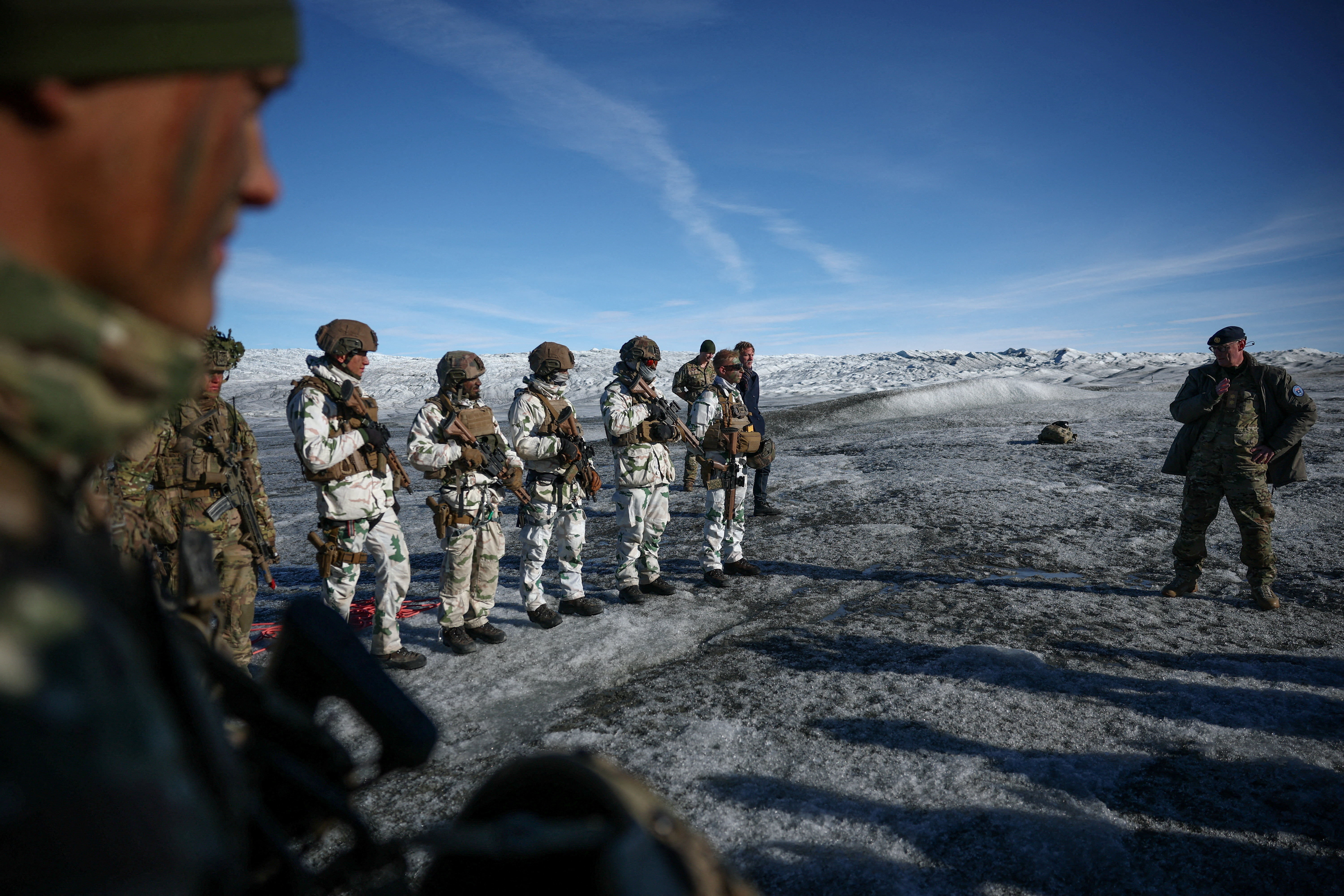
The agreement grants the United States authority to reopen Cold War-era facilities in Narsarsuaq and Mestersvig, expanding upon the current footprint at Pituffik Space Base. For Washington, this move is a strategic necessity driven by intensifying competition with Russia and China over Arctic shipping routes and natural resources. Greenlandic officials, including Naaja Nathanielsen, have welcomed the transition from unilateral pressure to a structured security arrangement, viewing it as a more predictable path forward.
However, the promise of infrastructure investment and increased security does not fully outweigh local apprehension. Residents in southern Greenland, particularly those relying on hunting and fishing, fear that heightened military activity will disrupt their livelihoods. Malene Vahl Rasmussen, mayor of Kujalleq, has insisted that any expansion must strictly respect Greenlandic society, noting that formal provisions in the pact are no substitute for genuine, sustained trust. As Denmark simultaneously boosts its own Arctic defense spending, the challenge remains balancing these expanded military mandates with the preservation of Greenlandic autonomy and community interests.



Comments (0)
No comments yet. Be the first!