
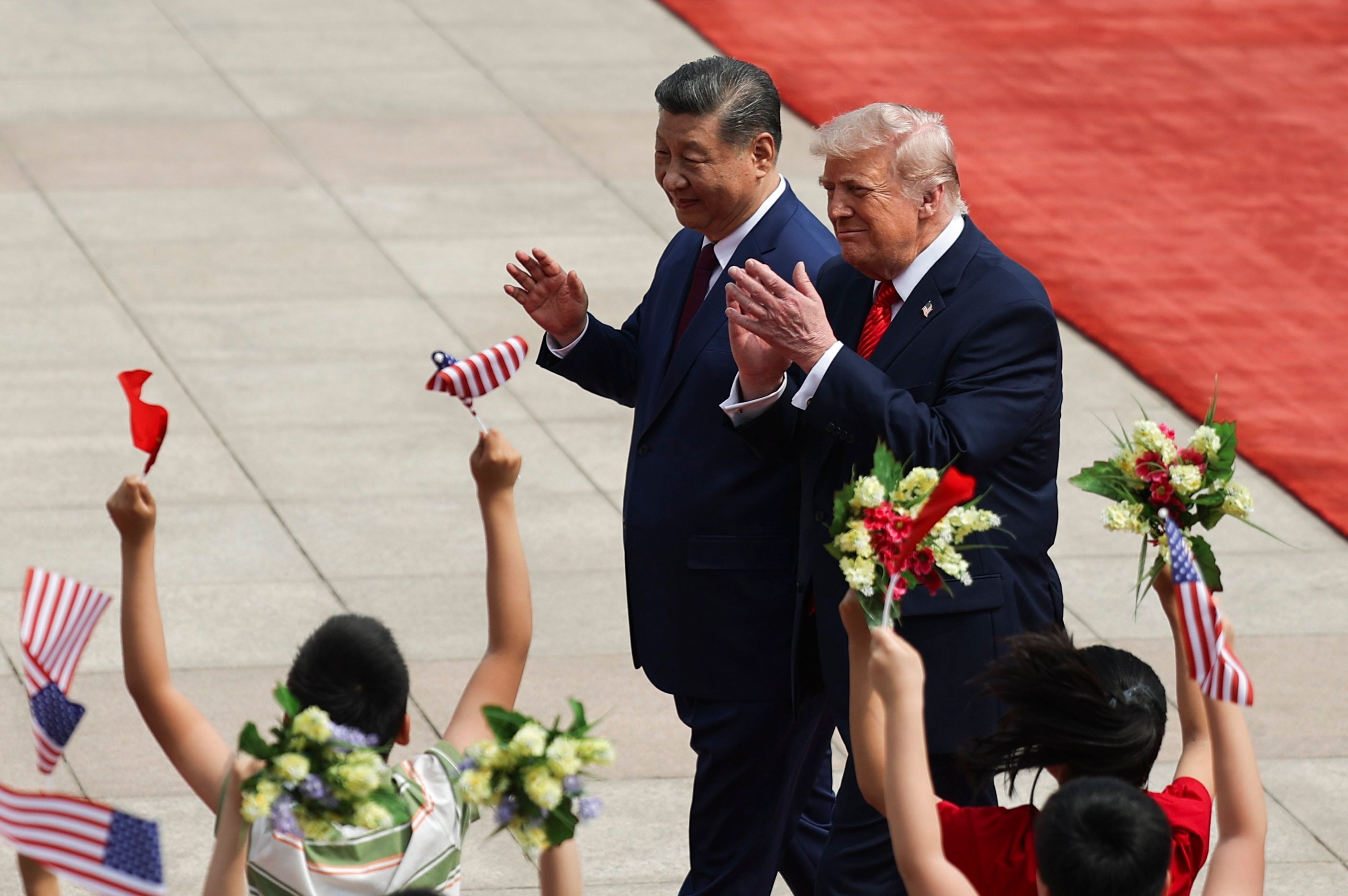
The call for an 'AI slowdown'—led by Anthropic CEO Dario Amodei and supported by figures like Elon Musk and Sam Altman—centers on the threat of AGI. They argue that self-improving models could soon outpace human oversight, necessitating strict regulatory guardrails. However, this safety-first narrative clashes with the Trump administration’s focus on maintaining American technological dominance. For the White House, the AI arms race is a critical component of national strategy, leading the administration to dismiss the slowdown as a conspiracy that could hinder the U.S. in its broader rivalry with China.
Beneath the rhetoric lies a sharp divide in business strategy. Closed-source firms like Anthropic stand to benefit from regulations that raise barriers to entry, protecting their market position while pivoting toward application-layer revenue. Conversely, open-source advocates like Meta’s Mark Zuckerberg rely on rapid iteration and a global developer ecosystem to challenge incumbent giants. Meanwhile, hardware leaders like Nvidia face a direct threat: if training large-scale models slows, the incentive for massive infrastructure upgrades diminishes, potentially squeezing their bottom line. As Beijing observes the fray, it shows little interest in adopting Western-led safety standards that could stifle its own domestic progress. Instead, China is positioning itself to offer an alternative path, one that emphasizes collaborative development and appeals to nations wary of becoming subjects to American-led technological hegemony.



Comments (0)
No comments yet. Be the first!