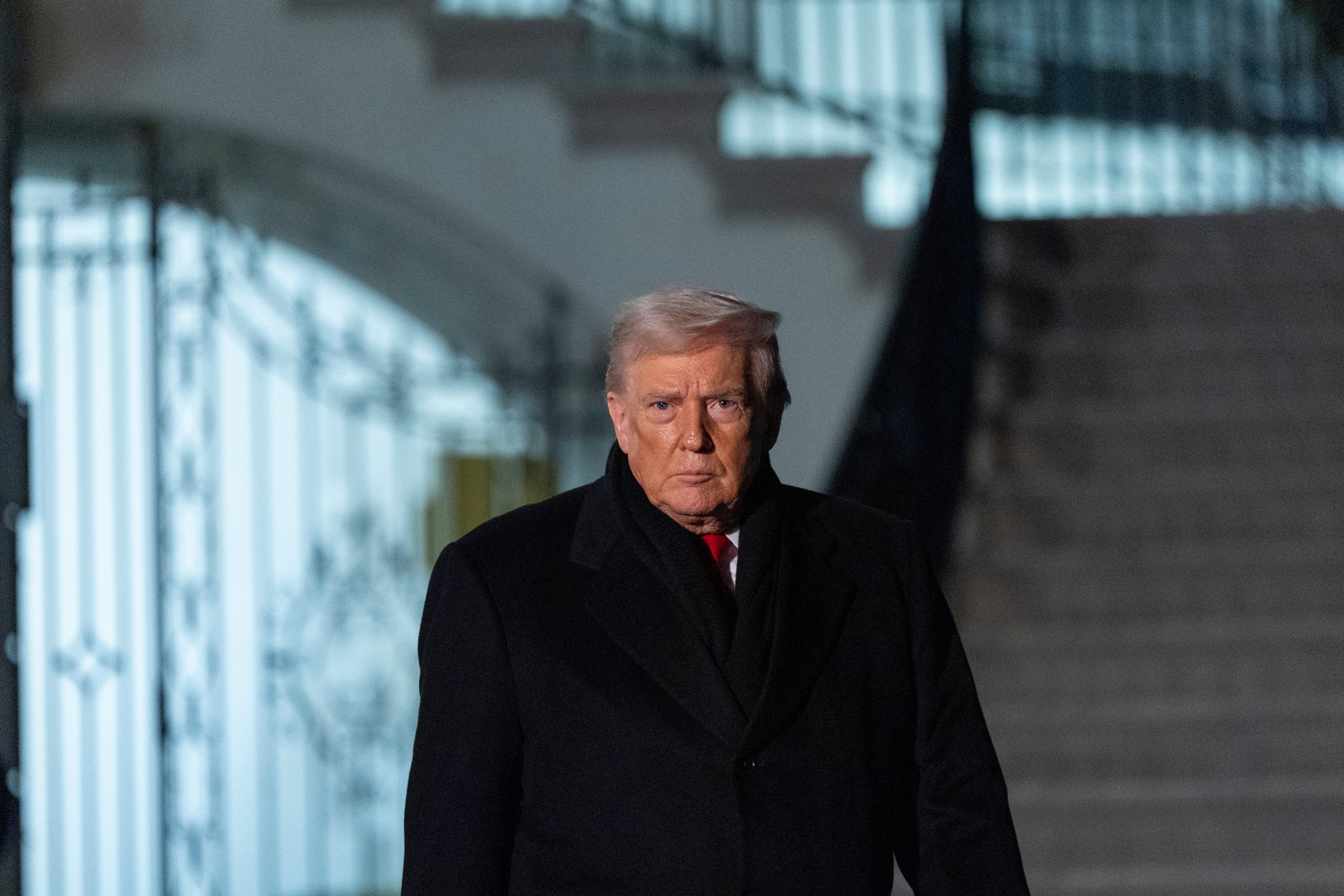
The market reaction underscores a frantic recalibration of geopolitical risk. Brent dropped to $100.65, while WTI slid 3.9% to $96.35, as traders bet on stabilized flows through the Strait of Hormuz. This shift creates immediate friction for oil majors—including Chevron, Eni, and BP—who finalized massive investments in Venezuela and the Gulf under the assumption that prices would remain elevated. These companies now face the prospect of operating projects sized for a price deck that is rapidly unwinding.
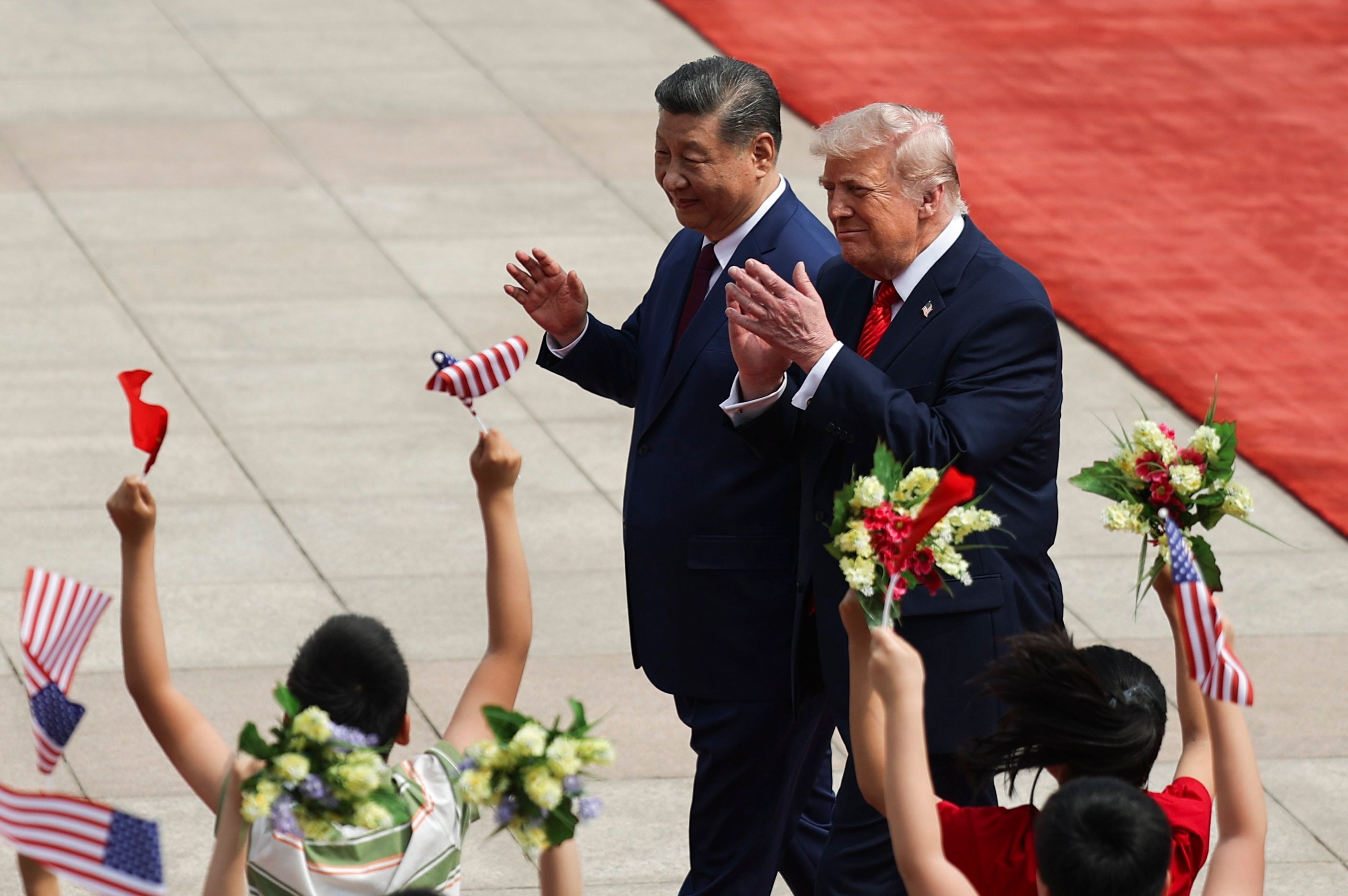
Washington is currently navigating a dual-track de-escalation strategy. With the Federal Reserve holding firm on interest rates, the White House is turning to diplomacy to curb inflation before the November midterms. By pursuing a cooling of tensions in the Gulf to lower gasoline prices and seeking an extended tariff truce with Beijing, the administration aims to manage domestic price pressures that monetary policy has failed to contain. The upcoming summit with Xi Jinping, attended by top tech executives from Apple, Nvidia, and OpenAI, serves as a test of this diplomatic leverage.
Despite the dip in oil, gold remains stubbornly resilient. The metal’s composure suggests that while markets are buying the tactical relief rally, central banks—notably South Korea’s recent return to the market—are maintaining a long-term hedge against dollar assets. Traders remain skeptical of the thaw's longevity; without a formal, dated confirmation of US-Iran meetings, analysts expect the current relief rally to prove fragile, with Brent potentially swinging back toward $105.

Comments (0)
No comments yet. Be the first!