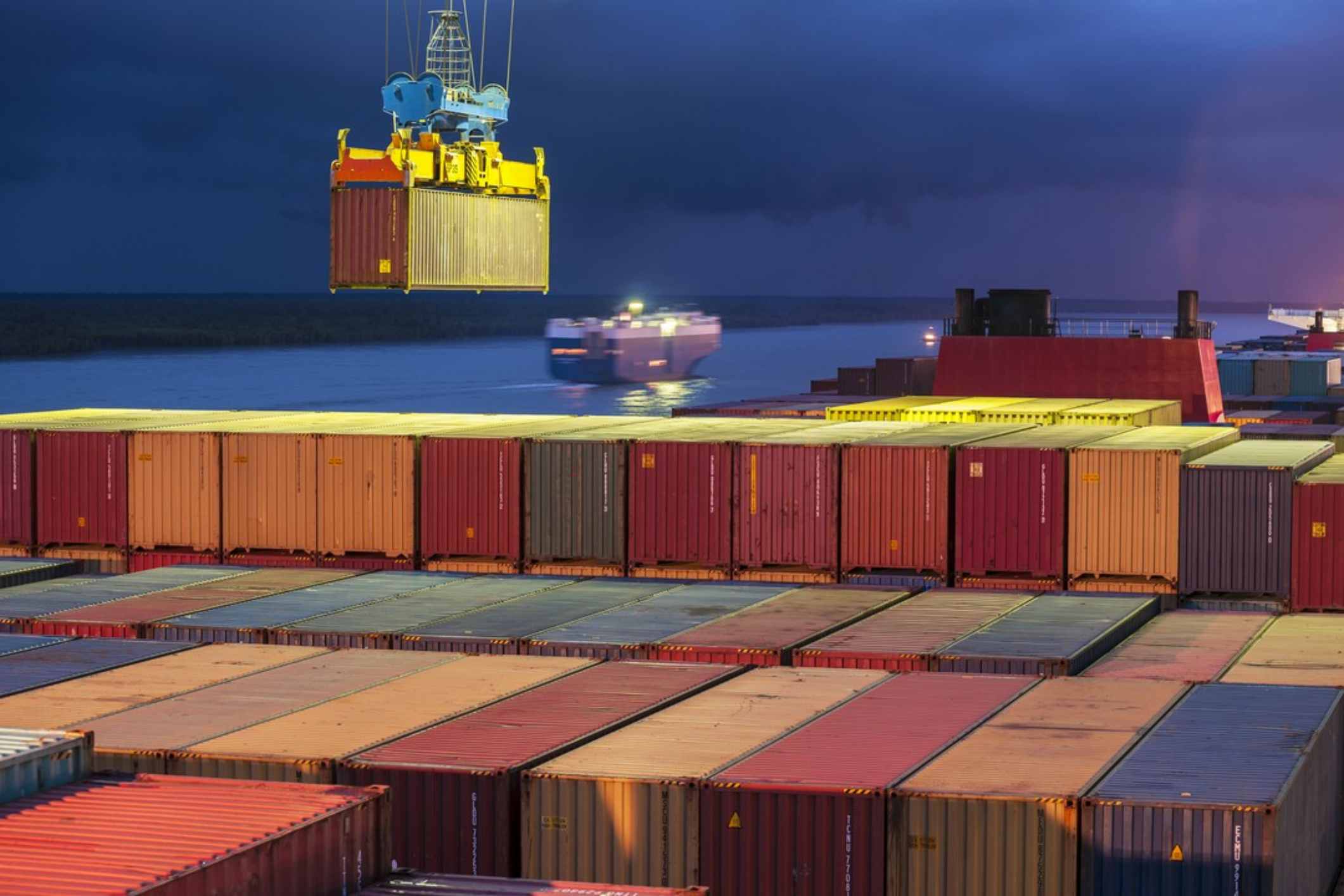
Darlington Chizema of Sol Plaatje University analyzed two decades of data, from 2003 to 2022, to test the relationship between capital inflows and sustainable development. While institutional quality and economic growth reliably draw investors to the region, the findings suggest that the conditions attracting these flows do not inherently foster social or environmental progress. In fact, while FDI provides a short-term boost to economic activity, it shows a statistically significant negative association with long-term ESG performance.
The research highlights a critical policy mismatch: investment enters a country far faster than sustainability goals can be realized. FDI levels adjust to economic shifts within a year, whereas ESG outcomes—ranging from environmental health to governance stability—evolve at a much slower pace. This gap suggests that governments relying solely on aggregate FDI targets may be inadvertently prioritizing capital volume over durable development. Infrastructure and natural capital emerged as better long-term drivers of sustainability, provided they are managed with development objectives in mind. Ultimately, the study argues that regional policymakers must shift their focus from mere capital attraction toward the sectoral composition and quality of investment, ensuring that foreign projects contribute to local value creation rather than simply extracting resources.


Comments (0)
No comments yet. Be the first!