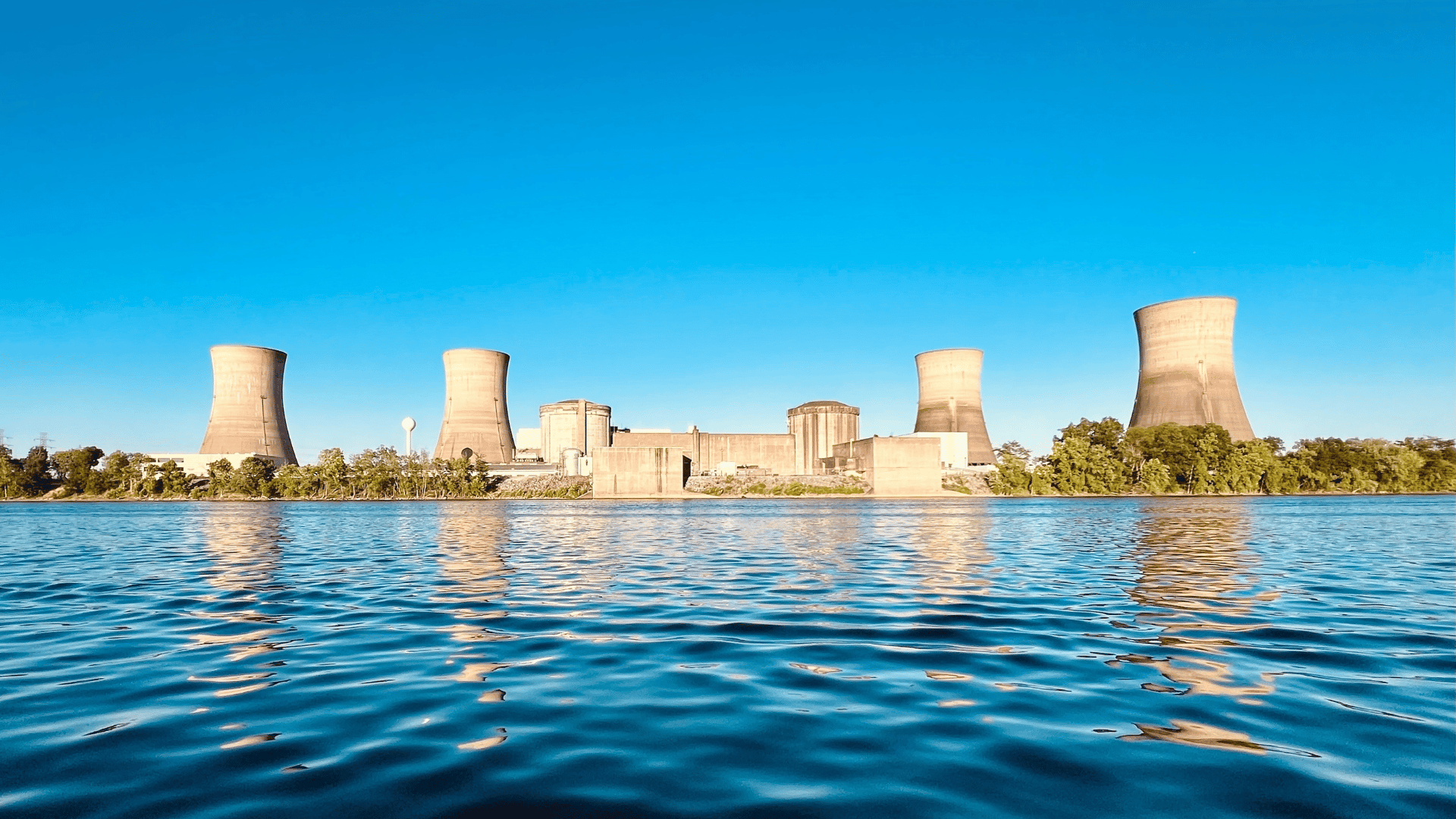
The race for AI capacity has hit a hard ceiling: the power grid. Projects like the $16 billion agreement between Microsoft and Constellation Energy to revive the Three Mile Island nuclear plant signal a desperate scramble for firm, continuous energy. This shift is turning utility infrastructure into a geopolitical asset. While chips are fungible and easily traded, a gigawatt of power requires massive transmission lines, multi-year transformer procurement, and direct government intervention.
This energy deficit is stalling even the most well-funded initiatives. In the United States, roughly 12 gigawatts of data center capacity were promised for 2026, yet less than half broke ground due to interconnection queues stretching up to seven years. The situation is even more pronounced in the Gulf, where states like Saudi Arabia have announced massive AI targets while facing a significant gap between planned capacity and actual grid energization.
Industry leaders are pivoting to nuclear energy, treating reactor access as the new strategic lever. Just as chip exports are controlled through trade regimes, the diffusion of American nuclear technology is now gated by bilateral 123 Agreements. Whether these projects materialize will depend on regulatory efficiency and the ability to avoid historic cost overruns. For policymakers and investors, the Nuclear Regulatory Commission’s decisions regarding plant restarts are becoming a more reliable indicator of AI potential than any export-control announcement coming out of Washington.



Comments (0)
No comments yet. Be the first!