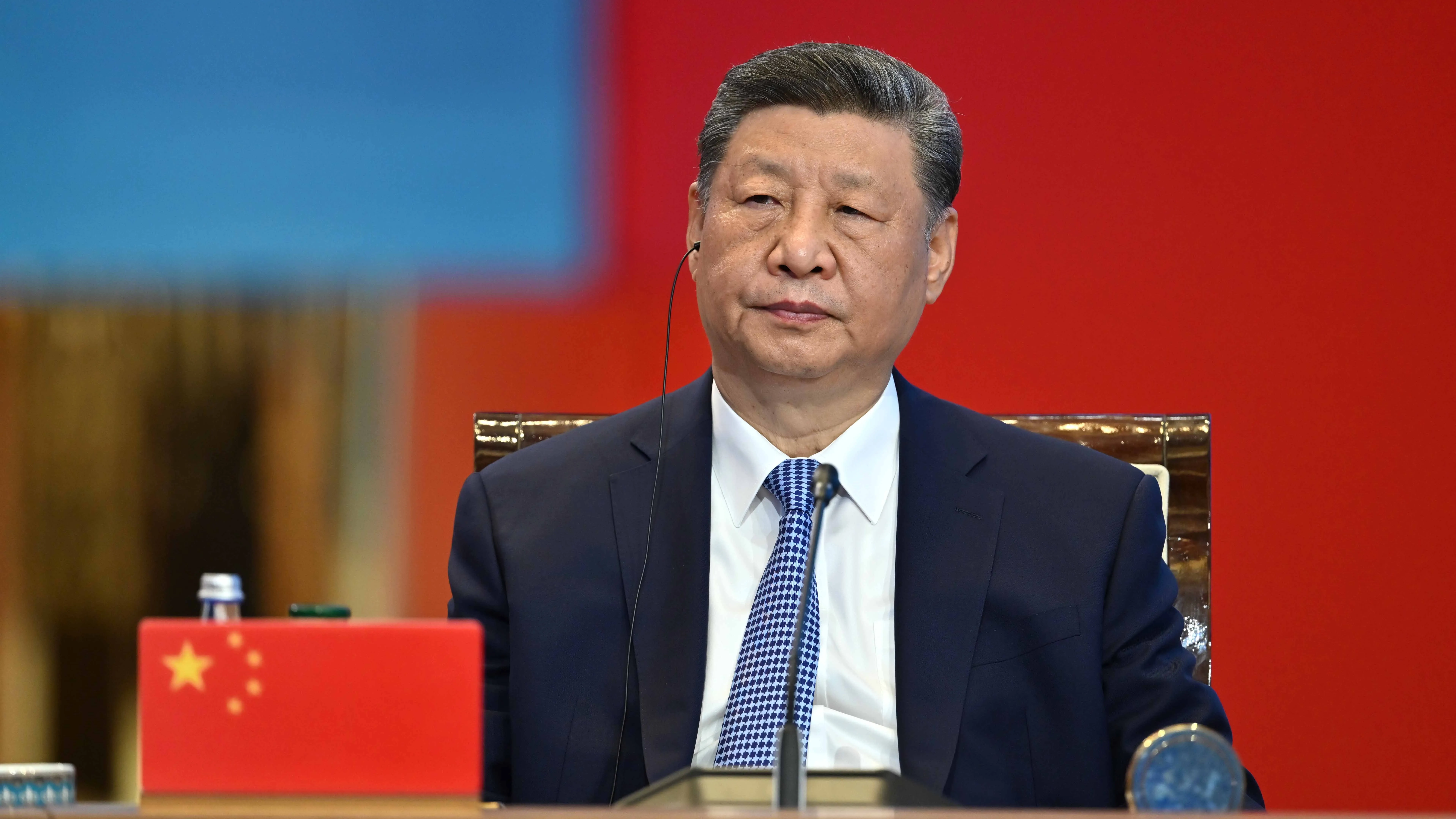
For over a decade, China’s Middle East footprint centered on trade, infrastructure, and energy investment. The 2026 Cairo initiative marks a qualitative departure from this model, emphasizing four pillars: the rejection of external interference, a refusal to apply double standards to international law, the prioritization of development over military deterrence, and the mandate for regional states to determine their own destiny. This rhetoric functions as a direct counter-doctrine to the US-led security architecture established in 1991.
Cairo serves as a calculated choice for this announcement. Egypt’s ability to maintain balanced relations with Iran, Israel, and the Gulf, combined with its geography, makes it an ideal platform for Beijing. The visit also featured joint air maneuvers between Chinese J-16s and Egyptian Rafales, marking a rare instance of Beijing testing its military hardware in a Western-aligned operational environment. Furthermore, the economic agreements signed—focusing on semiconductors, space, and cloud computing—suggest that China intends to tie its security interests to the technological sovereignty of regional partners rather than relying solely on oil-based ties.
Despite the ambition, the plan faces significant hurdles. China lacks the power projection capabilities to physically protect maritime corridors, and regional states continue to source the vast majority of their weaponry from the United States. While Beijing’s "active neutrality" and push for regional ownership of maritime security offer a compelling diplomatic language, the initiative currently functions more as a bargaining chip than a replacement for existing security guarantees. The ultimate test remains whether this pressure forces a shift in Washington's regional behavior, or if the vacuum left by the West remains too vast for Beijing to fill.




Comments (0)
No comments yet. Be the first!