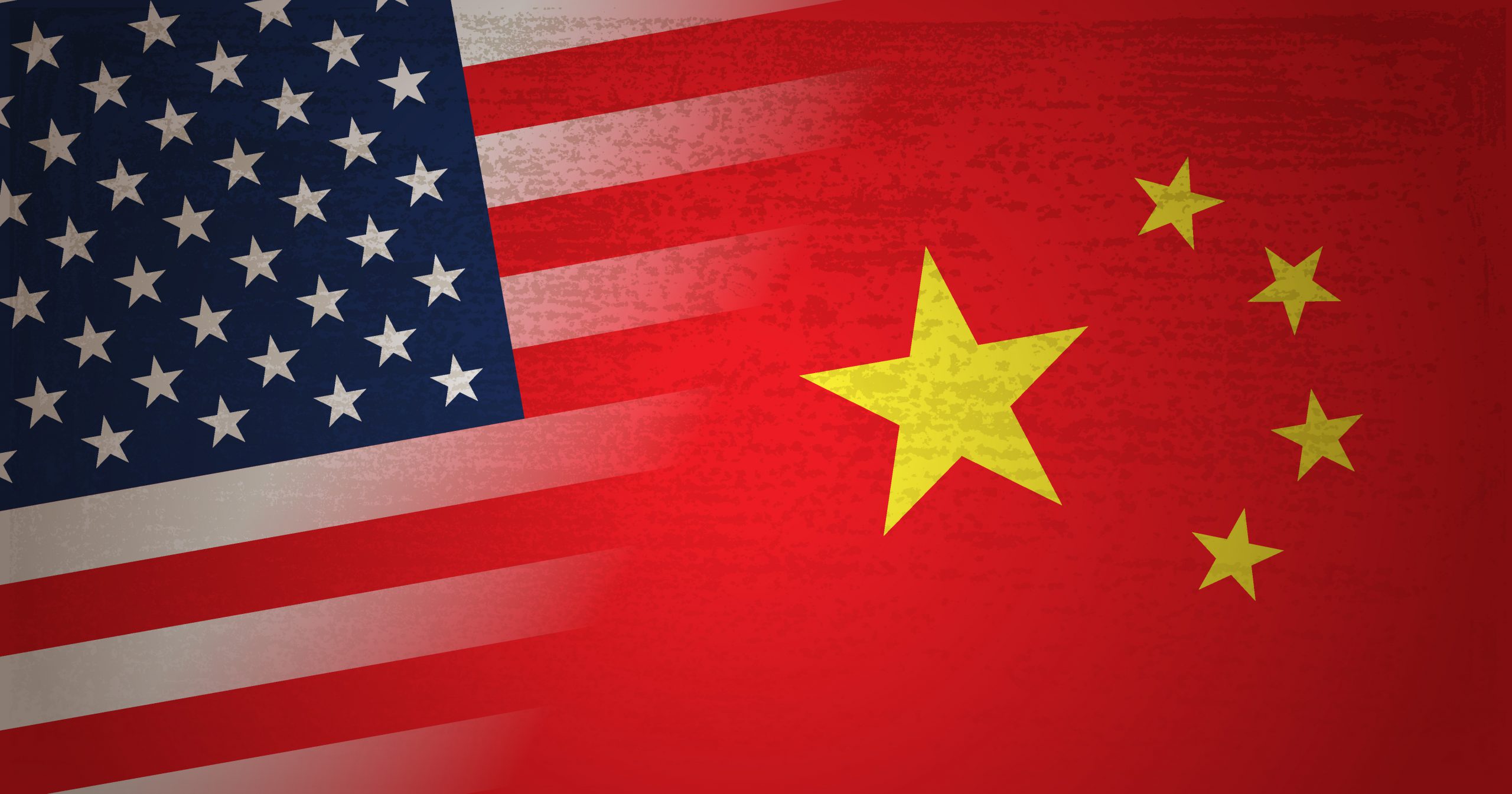
The narrative of multipolarity rests on a fundamental misreading of global power dynamics. Proponents point to the rise of China, the growth of India, and the assertiveness of middle powers as evidence of a dispersing world. Yet, this view confuses strategic autonomy with true systemic polarity. A state does not become a pole simply by maneuvering between superpowers or exercising regional influence; it requires full-spectrum, full-stack power—the capacity to project strength across economic, technological, military, and financial domains simultaneously.
Data confirms that power is concentrating, not spreading. At the turn of the century, the US and China accounted for roughly one-third of global GDP; today, that figure is 43 percent. This concentration is even more stark in research and development and manufacturing, where the gap between the two leaders and the rest of the world has widened significantly. While other nations possess formidable assets, they lack the comprehensive depth to challenge the two primary actors. Even Russia, despite its nuclear arsenal, remains tethered to a narrow economic and technological base that prevents it from reaching the status of a third pole.
This illusion of multipolarity persists because it is politically convenient. It allows Russia to claim great-power status, provides India with an aspirational mantle, and enables European nations to mask their relative strategic decline. Meanwhile, China avoids the label of a systemic rival by championing a multipolar rhetoric that masks its own central role in creating a bipolar world. As artificial intelligence advances, the infrastructure required to harness it—massive capital, computing power, and industrial ecosystems—is already heavily concentrated in the hands of the two leaders. If AI transforms the global economy, it will likely serve as an accelerator of this existing trend, further distancing the US and China from the rest of the international community.



Comments (0)
No comments yet. Be the first!