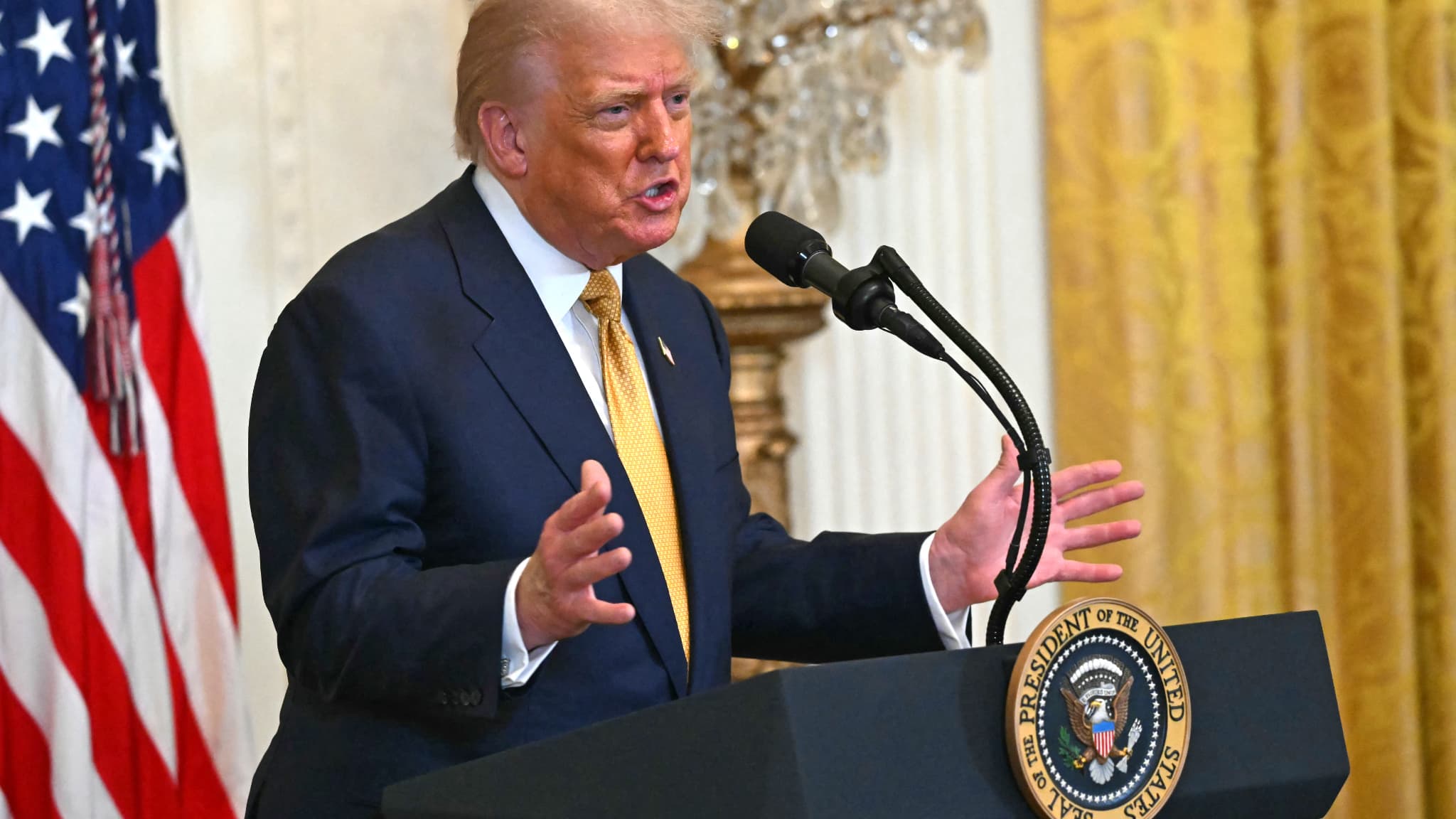
The campaign extends beyond a single banner. Nearby, additional displays feature President Trump alongside Vice President JD Vance, special envoy Steve Witkoff, and Israeli Prime Minister Benjamin Netanyahu, all portrayed with bloodied faces against tattered national flags. Crowds gathered at the site waving red flags and chanting slogans of revenge following the February 28 death of former supreme leader Ayatollah Ali Khamenei in joint US-Israeli strikes.
In northern Tehran’s Tajrish Square, the rhetoric manifests through visceral street art and performance. An open-air exhibition showcases paintings of a bloodied Trump, while a life-sized replica of a prison cell houses an actor impersonating the president. These visual provocations coincide with Iranian state accusations that US military operations have deliberately targeted civilian infrastructure, including schools and wedding ceremonies.
These public displays persist despite ongoing, fragile diplomatic efforts to prevent the conflict from further destabilizing the region and inflating global commodity prices. While the Iranian government utilizes these state-sponsored murals as a long-standing tool of political communication, the current intensity reflects a deepening rift as the United States navigates its own midterm elections, where the economic and political fallout of the war remains a central concern for voters.

Comments (0)
No comments yet. Be the first!