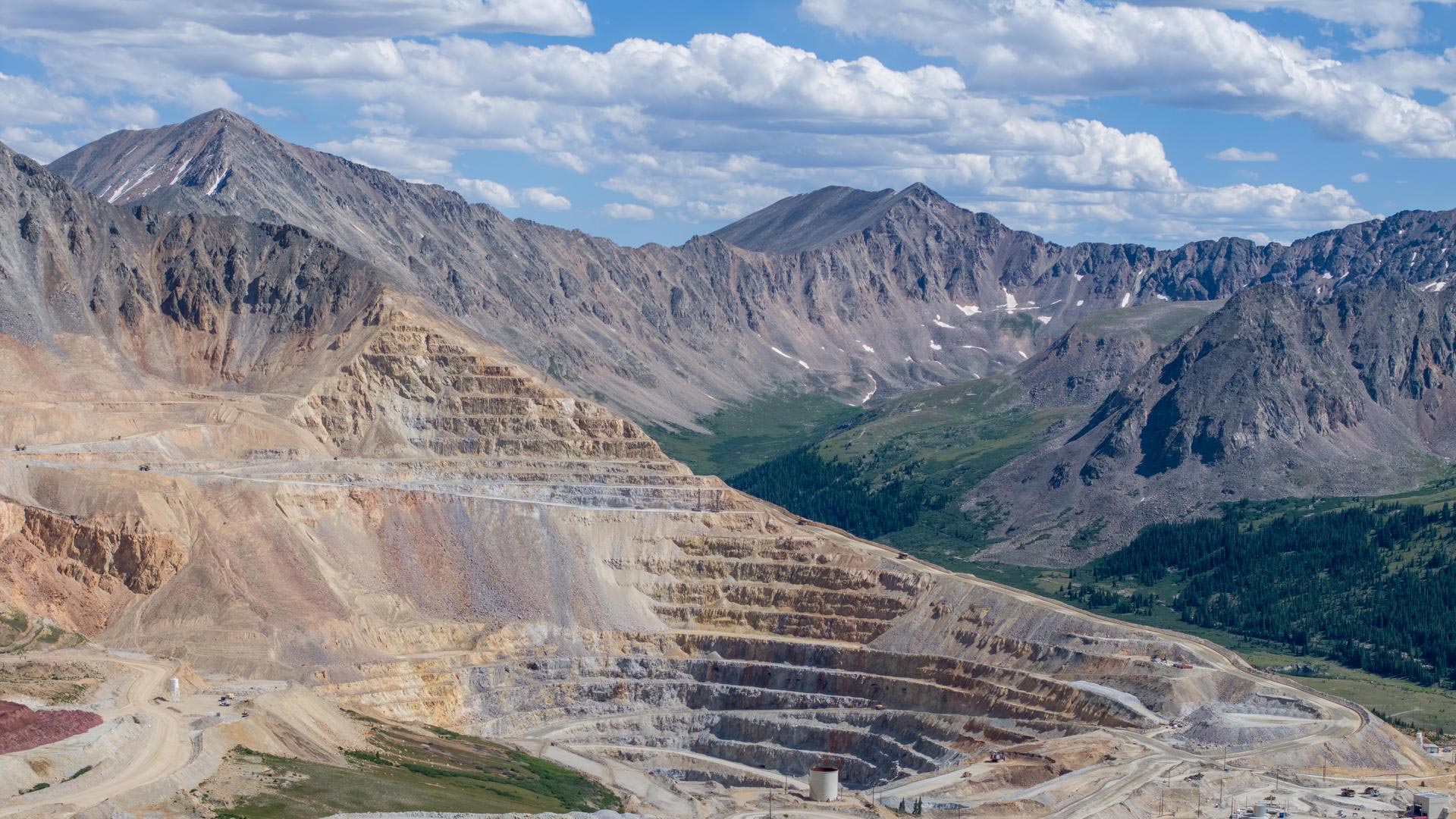
The European Commission’s strategy, anchored by the Critical Raw Materials Act, aims to domesticate 10% of extraction, 40% of processing, and 25% of recycling needs. While officials have selected 60 strategic projects to anchor these supply chains, the initiative is faltering. The bankruptcy of France’s Viridian Lithium in March serves as a stark indicator of the sector’s fragility, highlighting how political endorsement fails to compensate for a lack of capital.
The Financing Gap
Access to liquidity remains the primary barrier for developers. Although the European Commission reports mobilizing €1.7 billion since December, project proponents maintain that this is insufficient for the capital-intensive nature of mining and refining. An analysis by the Overseas Development Institute found that 40% of selected projects lack clear financial backing. This struggle is compounded by institutional fragmentation; the European Court of Auditors has criticized the bloc for spreading resources across disconnected programs, creating a system that fails to provide the long-term certainty investors demand.
Furthermore, the portfolio’s composition has drawn scrutiny. While the EU maintains a heavy focus on lithium and copper, it remains dangerously exposed regarding rare earth elements, where dependence on China persists. Competing regions, most notably the United States, have moved with greater speed, approving nearly $40 billion in mineral-related developments. Meanwhile, Europe’s strategy remains tethered to existing sites, with the European Investment Bank noting that the bloc spends significantly less on early-stage exploration than its global rivals. Without a broader pipeline of new deposits, the EU’s efforts to secure its industrial future remain structurally constrained.



Comments (0)
No comments yet. Be the first!