This directive marks a strategic reallocation of national resources, shifting focus away from the cooling property market toward technological self-reliance. While Beijing pursues this industrial evolution, the impact on domestic household wealth remains limited, creating a disconnect between high-tech output and local consumer prosperity. Premier Li Qiang echoed the urgency of this agenda, emphasizing that the next phase of growth depends on integrating AI-driven upgrades and intelligent manufacturing systems to insulate the country from external trade pressures. The push for a modernized industrial framework arrives as international markets brace for what observers label 'China Shock 2.0,' a surge of green technology and automotive exports that is testing the limits of global trade relations.
Xi Jinping Pushes for Industrial Supremacy Amid Global Trade Tensions
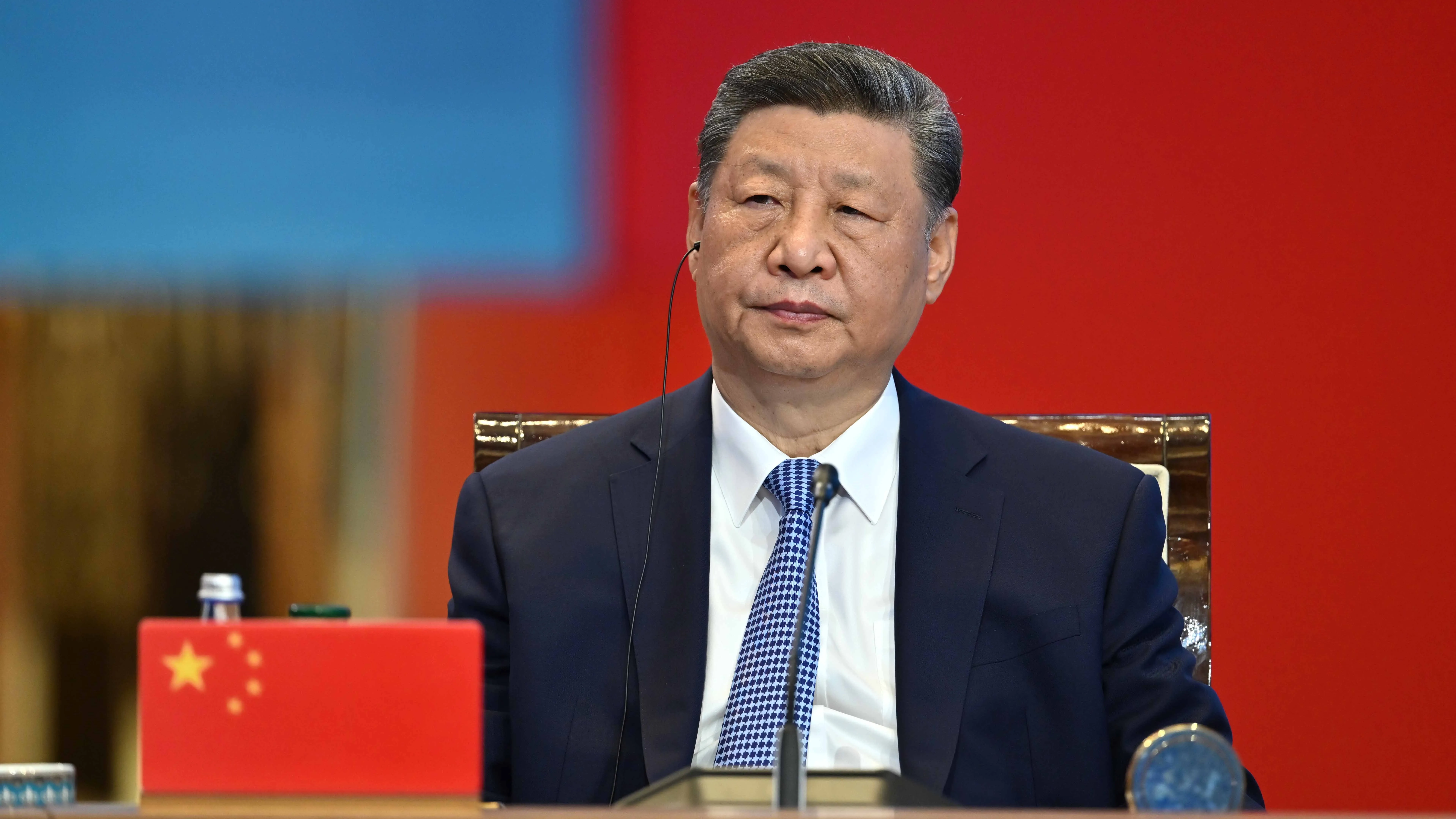
Under the shadow of rising European scrutiny over electric vehicle exports, President Xi Jinping has signaled a pivot toward total supply chain sovereignty. Addressing the National Advanced Manufacturing Conference in Beijing, he demanded an aggressive transition into high-tech production to secure China’s position as a dominant global industrial power.
Read Also
 Politics
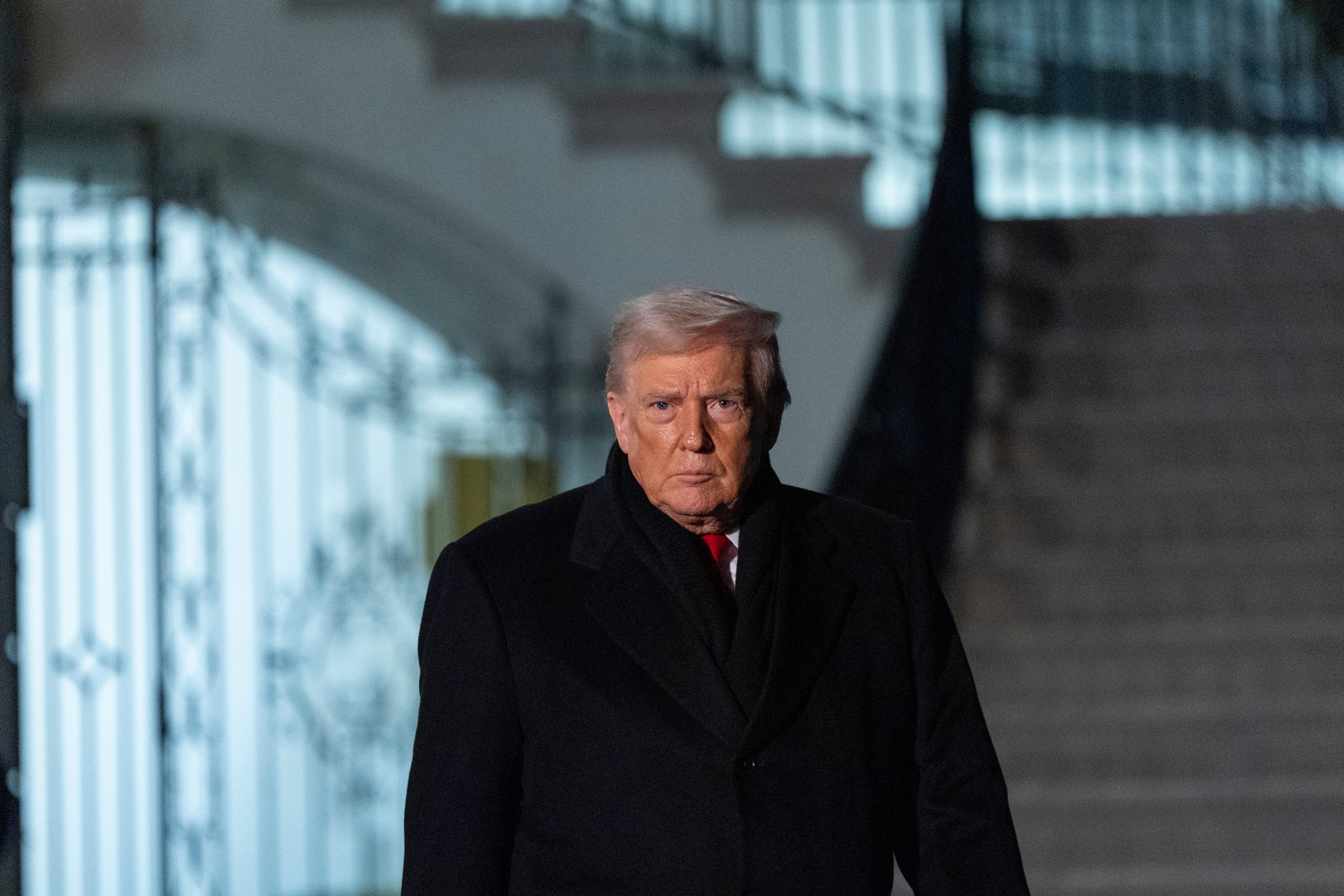
Trump Threatens Tariffs Over EU-Canada Associate Membership Proposal
September 17, 2026
 Politics
Morocco’s Youth Confront a Stagnant Political Landscape
September 17, 2026
 Business
India Warns U.S. Over Proposed Tariffs on Russian Oil Imports
September 17, 2026
 Global
Europe Struggles to Turn Raw Material Ambitions Into Reality
September 17, 2026
Comments (0)
No comments yet. Be the first!