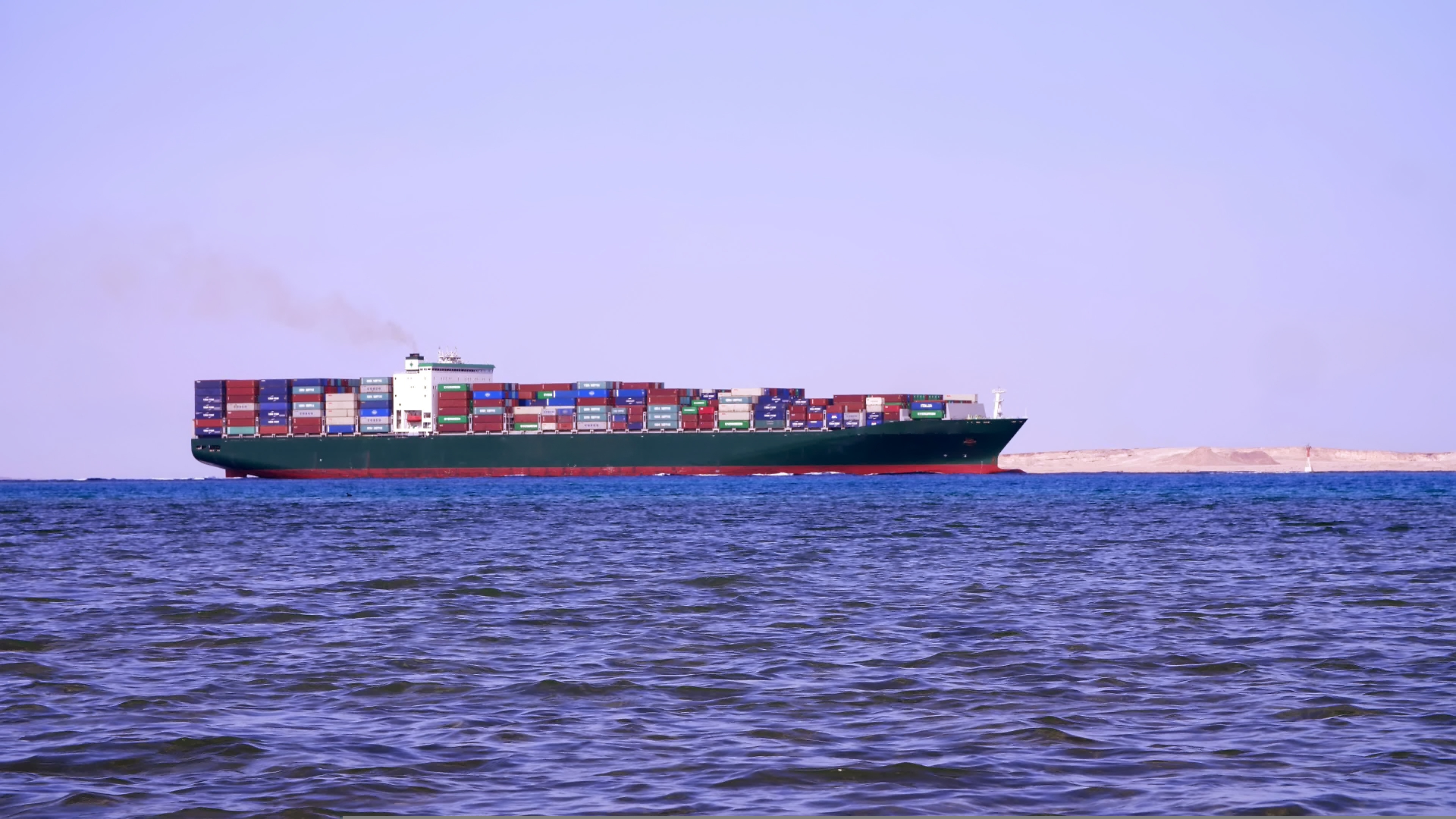
Since early September 2026, Houthi forces have transformed their tactical position, gaining leverage over the Bab el-Mandeb Strait—a vital maritime choke point. This shift, coupled with drone and missile strikes on Saudi infrastructure, exposes a widening gap between the security commitments signed in August and the practical realities of regional defense. While the Mecca Agreement establishes a framework for collective deterrence, the current crisis highlights the friction between stated solidarity and the political will to deploy military assets.
Saudi Arabia is navigating a complex paradox: while it seeks to diversify its security beyond reliance on the United States, its new partners remain hesitant to engage in a potentially escalatory conflict. Pakistan, maintaining delicate ties with both Riyadh and Tehran, favors diplomatic mediation over combat, while Turkey weighs the strategic value of intervention against the risk of regional entanglement. For now, the Political-Strategic and Defense Committee continues to prioritize de-escalation, leaving the agreement's status as a functional deterrent in question. Whether the pact evolves into a robust security mechanism or remains a symbolic network depends on how the signatories define the limits of their involvement in the face of persistent, cross-border aggression.


Comments (0)
No comments yet. Be the first!