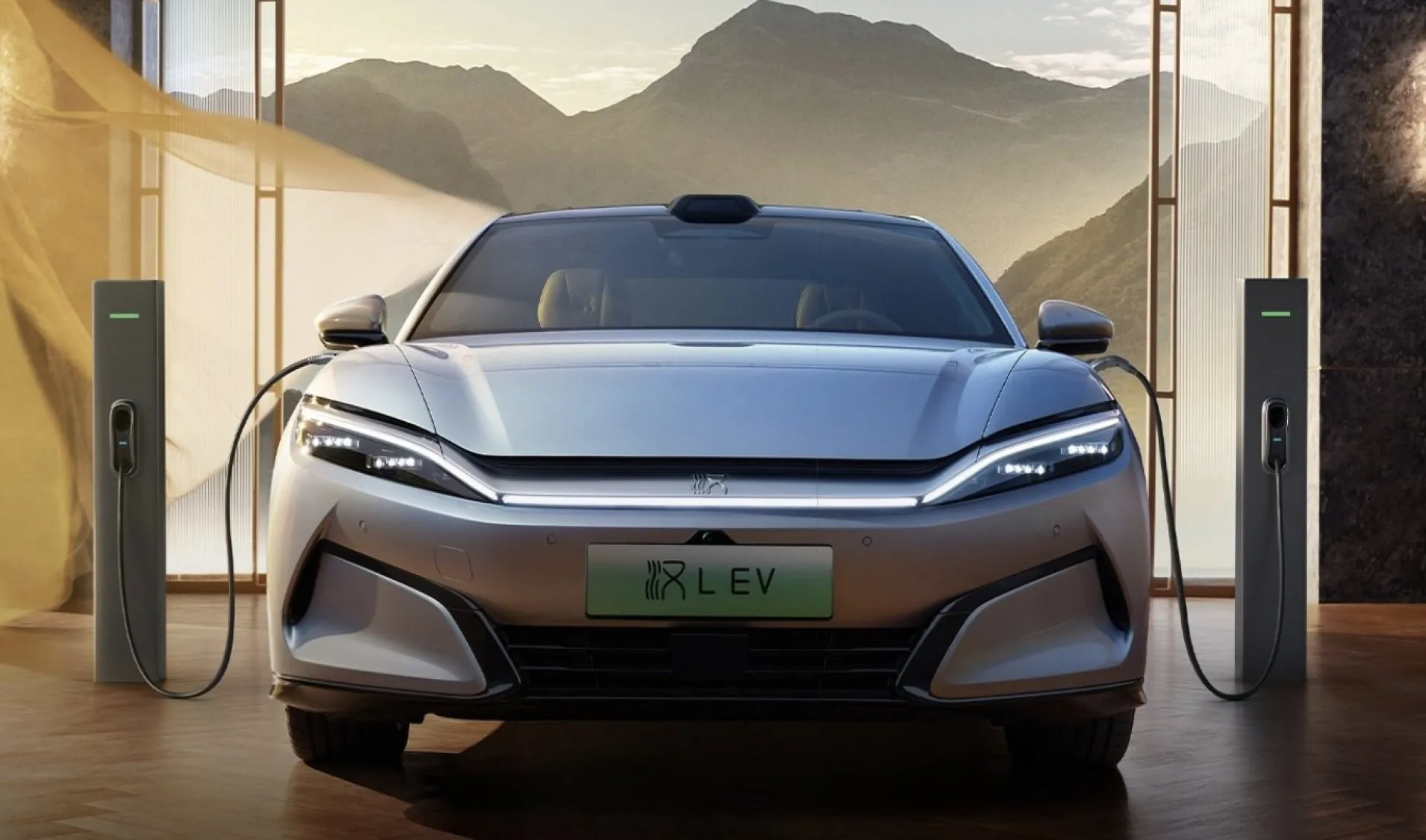
The second phase of the corridor marks a pivot toward business-to-business cooperation, exemplified by BYD’s assembly plant in Gharo. Although this project promises to modernize Pakistan’s transport sector, it operates within a framework where China holds significant leverage. This is evidenced by the refusal to waive billions in late-payment surcharges for power projects, a decision that forces Islamabad to navigate severe currency depreciation while remaining tethered to Chinese-indexed tariffs.
This dynamic highlights the concept of the “electrostate,” where power is derived not from raw resource extraction, but from dominance over midstream processing and manufacturing. By controlling the supply chains for battery cells and rare-earth elements, China has established a structural advantage that requires no explicit coercion to maintain. Even as Pakistani households gain a measure of independence from the failing national grid through affordable Chinese-made solar panels, the state itself finds its maneuvering room restricted by the very financial and technological networks intended to fuel its development. The result is a dual reality: citizens achieve localized relief, while the national economy remains deeply embedded in a system where the rules of the game are written in Beijing.



Comments (0)
No comments yet. Be the first!