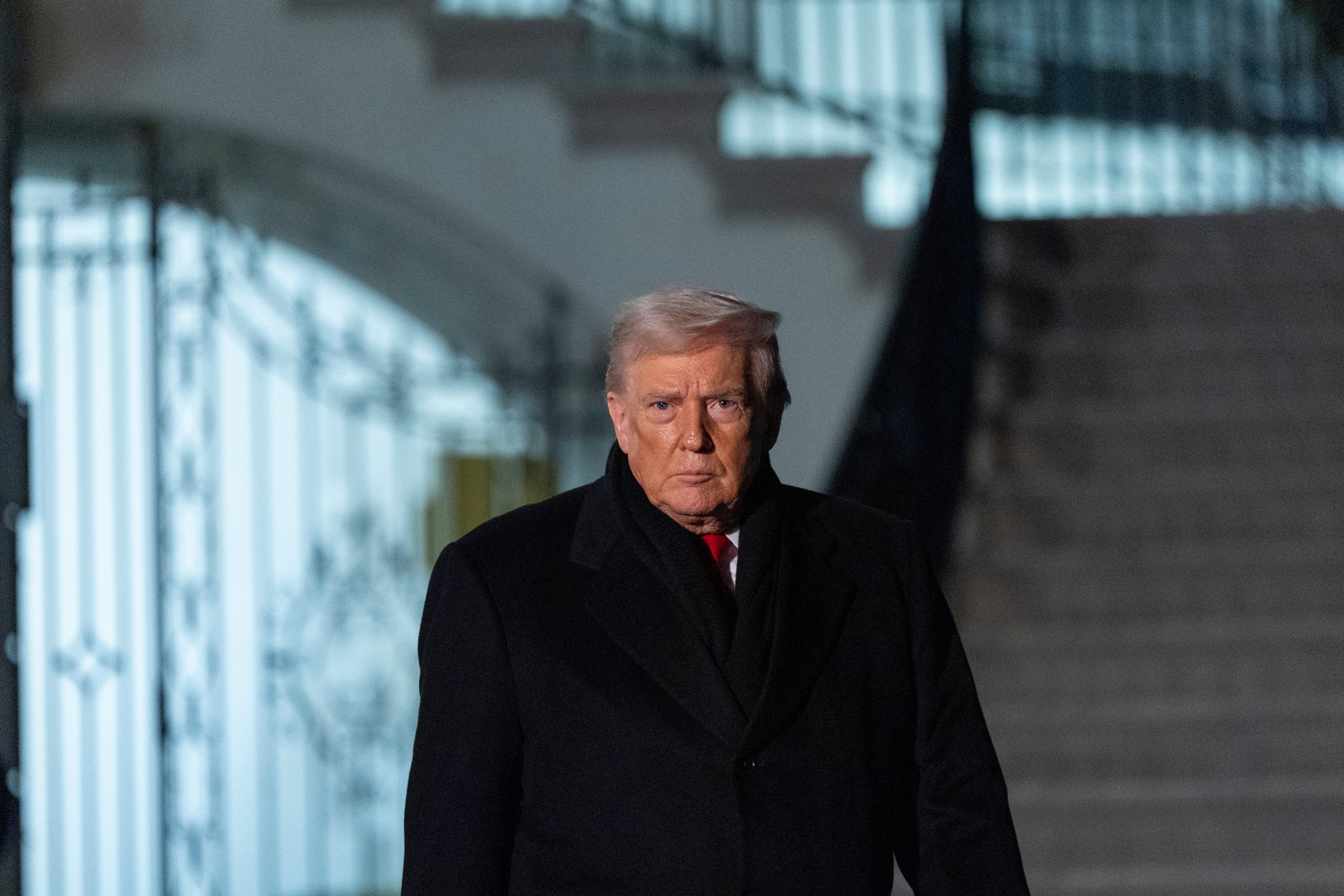
Having cleared the Senate last month, the bill now moves toward President Donald Trump’s desk, where it is expected to receive his signature. The framework targets key Russian industries while simultaneously introducing provisions that allow for tariffs on other nations, a measure intended to diminish global reliance on Russian energy exports.
While the bill enjoys broad bipartisan backing, it has encountered resistance from senior House Democrats. These dissenters express unease regarding the expansion of tariff authorities for the White House, arguing that the administration already holds sufficient sanctioning power. Despite this opposition, the legislation serves as a definitive signal of American policy, intended to bolster support for Ukraine and intensify the economic isolation of Moscow.



Comments (0)
No comments yet. Be the first!