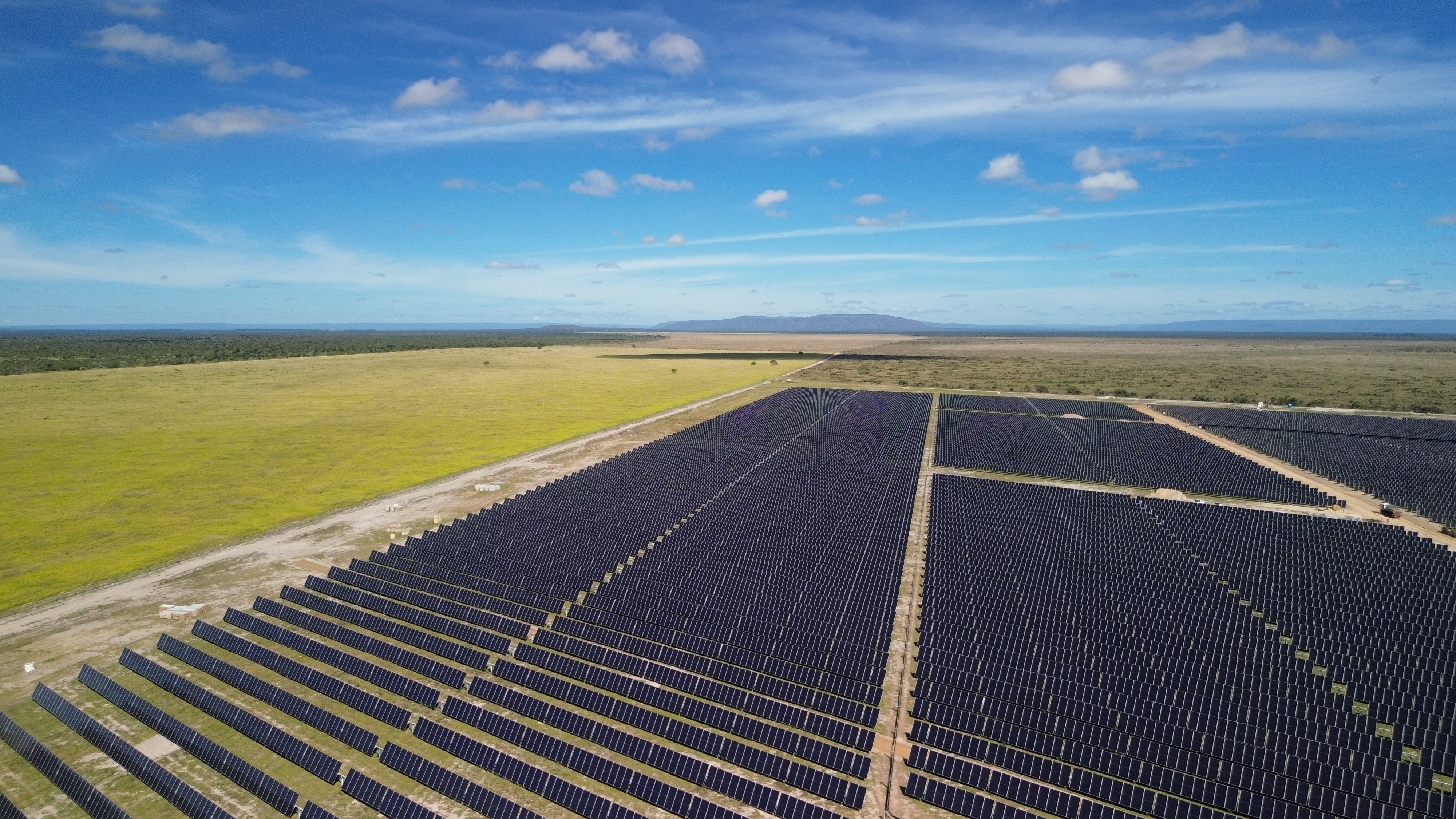
The program, channeled through the Banco Nacional de Desenvolvimento Econômico e Social (BNDES), provides a $1 billion loan from the International Bank for Reconstruction and Development alongside a $60 million injection from the Clean Technology Fund. This capital infusion targets high-intensity sectors, including cement, aluminum, and glass, to help companies transition to low-carbon production while maintaining global competitiveness. The government aims to reduce the greenhouse gas intensity of its industrial GDP by 30 percent over the next decade.
Beyond direct industrial upgrades, the funding prioritizes shared infrastructure and next-generation fuel development. Resources will support the construction of green hydrogen storage and pipelines, allowing multiple firms to access utilities that would be cost-prohibitive to build independently. Simultaneously, the program targets the production of sustainable aviation fuels, e-methanol, and biomethane. Cécile Fruman, World Bank Director for Brazil, noted that the partnership serves to transform the country’s existing clean energy advantage into a permanent industrial edge. By mitigating the financial risks of early adoption, the initiative intends to create a viable market for low-carbon goods, proving that environmental mandates can drive job creation and long-term economic growth.




Comments (0)
No comments yet. Be the first!