The tension centers on the practice of model distillation, where Chinese firms allegedly extract intelligence from top-tier American systems to train their own, more efficient versions. Anthropic recently accused Moonshot AI of routing nearly 300,000 user requests through its Claude model to harvest data. Despite these concerns, enforcement remains inconsistent. While export controls remain in place, the administration has permitted the sale of certain Nvidia chips to China, reflecting the difficulty of decoupling two deeply intertwined tech ecosystems.
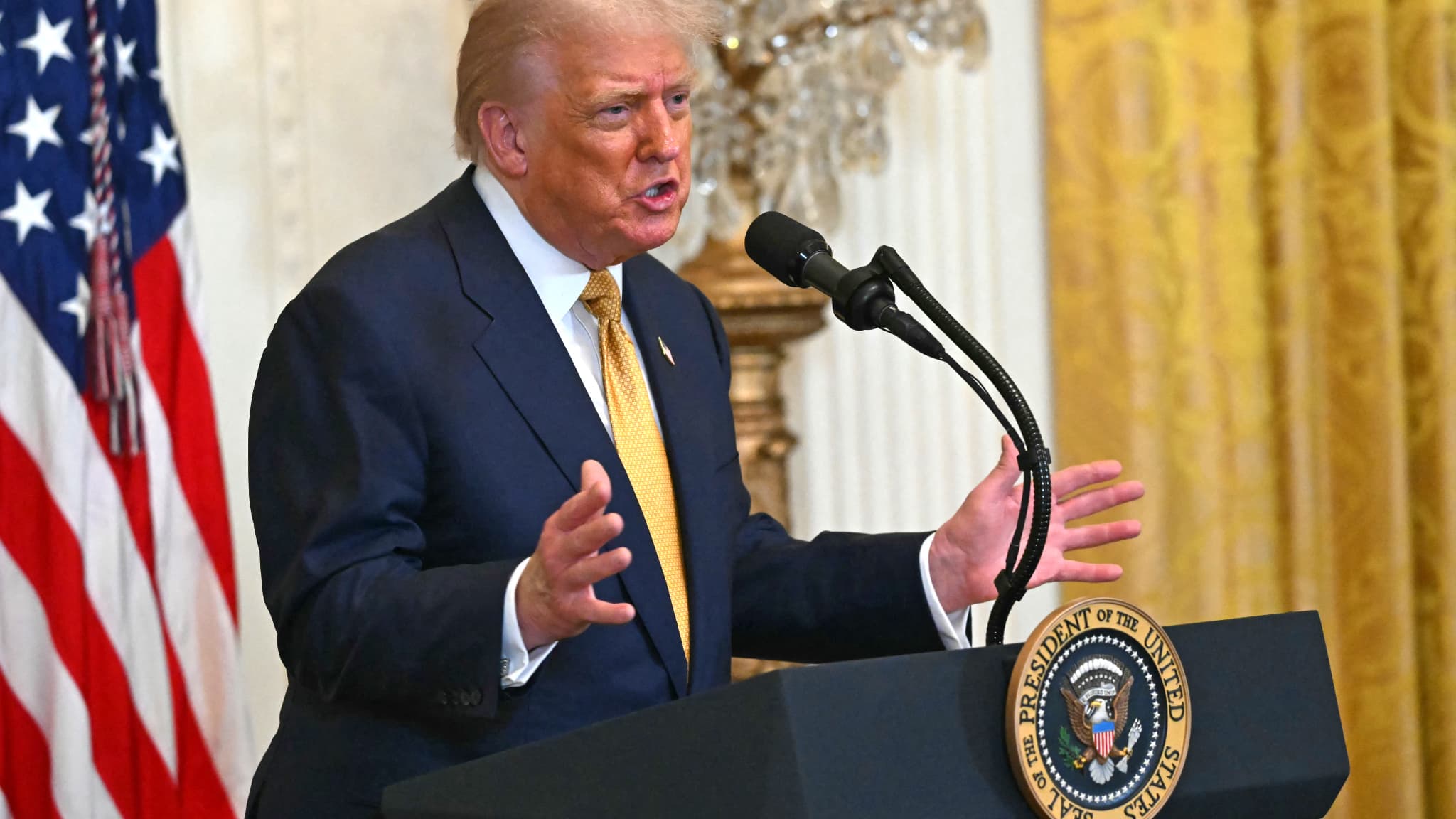
Strategic maneuvering has extended far beyond software. Huawei is actively bidding on data center projects in Egypt, forcing Washington into a reactive scramble. Simultaneously, China’s control over rare earth mineral exports—essential for precision-guided missiles and drones—serves as a potent lever against further US tariffs or sanctions. As officials prepare for the upcoming summit between Donald Trump and Xi Jinping, the focus shifts to whether either side can find a path toward mutual stability. Experts warn that any aggressive action against Chinese firms will likely trigger immediate retaliation, potentially disrupting the very data center components that power the current American AI boom.



Comments (0)
No comments yet. Be the first!