The mounting Houthi threat has effectively crippled the Kingdom’s energy logistics. After losing access to the Strait of Hormuz, Saudi Arabia relied on pipelines to the Red Sea, but recent drone strikes originating from Iraq have forced the closure of those alternative routes. According to data from Kpler, Saudi oil exports to Asia cratered from 3.4 million barrels per day in June to just 128,000 in August, signaling a massive blow to the economy.
Crown Prince Mohammed bin Salman’s ambition to transform the nation into a global business hub now faces a grim reality. Military escalation risks further damage to energy infrastructure, while diplomatic channels remain frozen. The Houthis demand an end to the Saudi-led blockade, a condition that would grant the rebels significant long-term leverage. Meanwhile, Tehran continues to use the instability as a strategic bargaining chip against the United States.
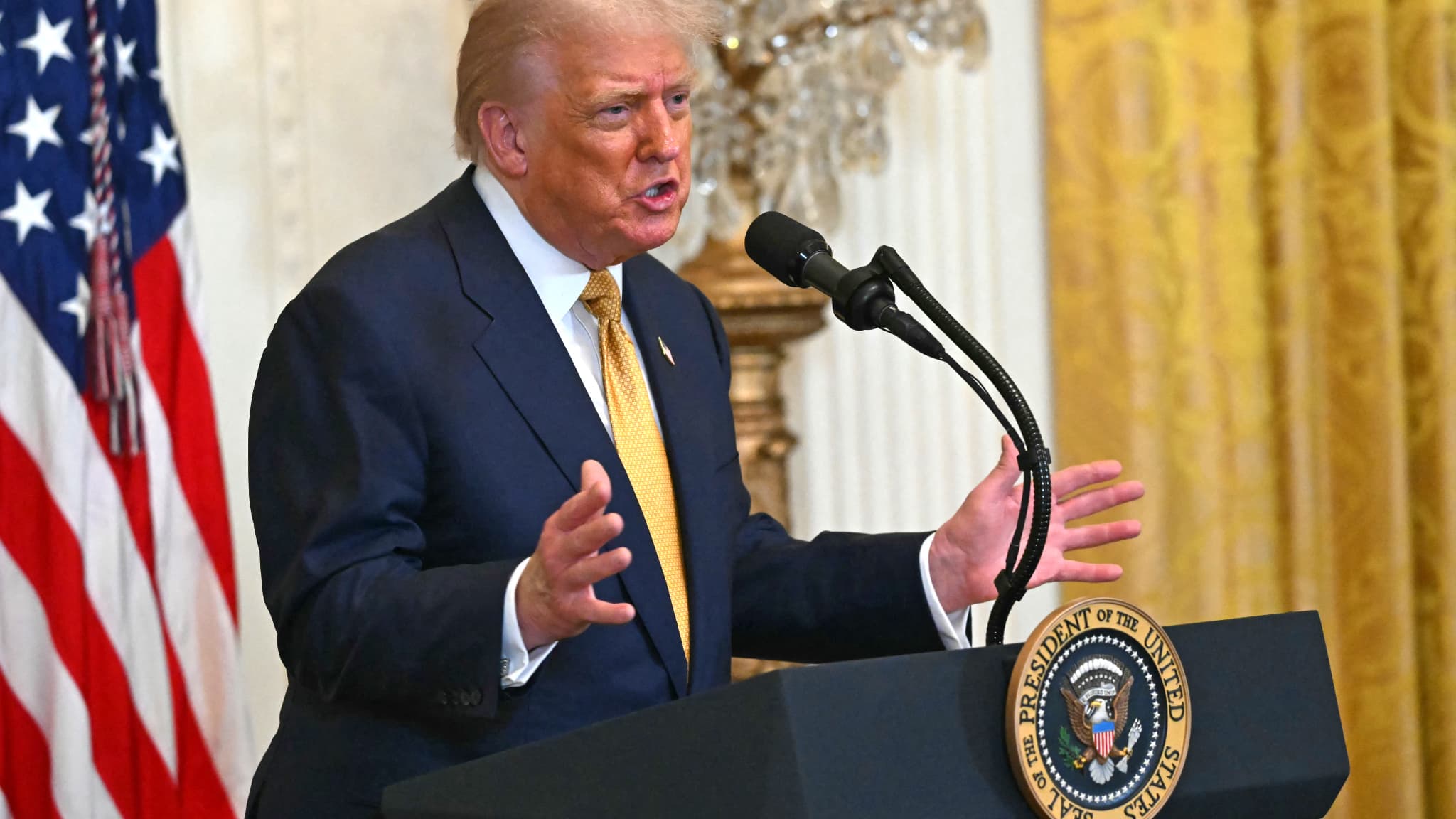
Trust in the American security umbrella has reached a nadir. President Donald Trump, prioritizing domestic political concerns ahead of congressional elections, rejected a recent request from the Crown Prince for military action against the Houthis. Former U.S. ambassador Michael Ratney noted that Riyadh is living through its worst-case scenario: a war it never sought, fought with dwindling interceptor supplies and diminishing support from its primary ally. With the U.S. Navy overstretched and munitions stockpiles low, the Kingdom remains largely isolated as it attempts to secure its borders.


Comments (0)
No comments yet. Be the first!