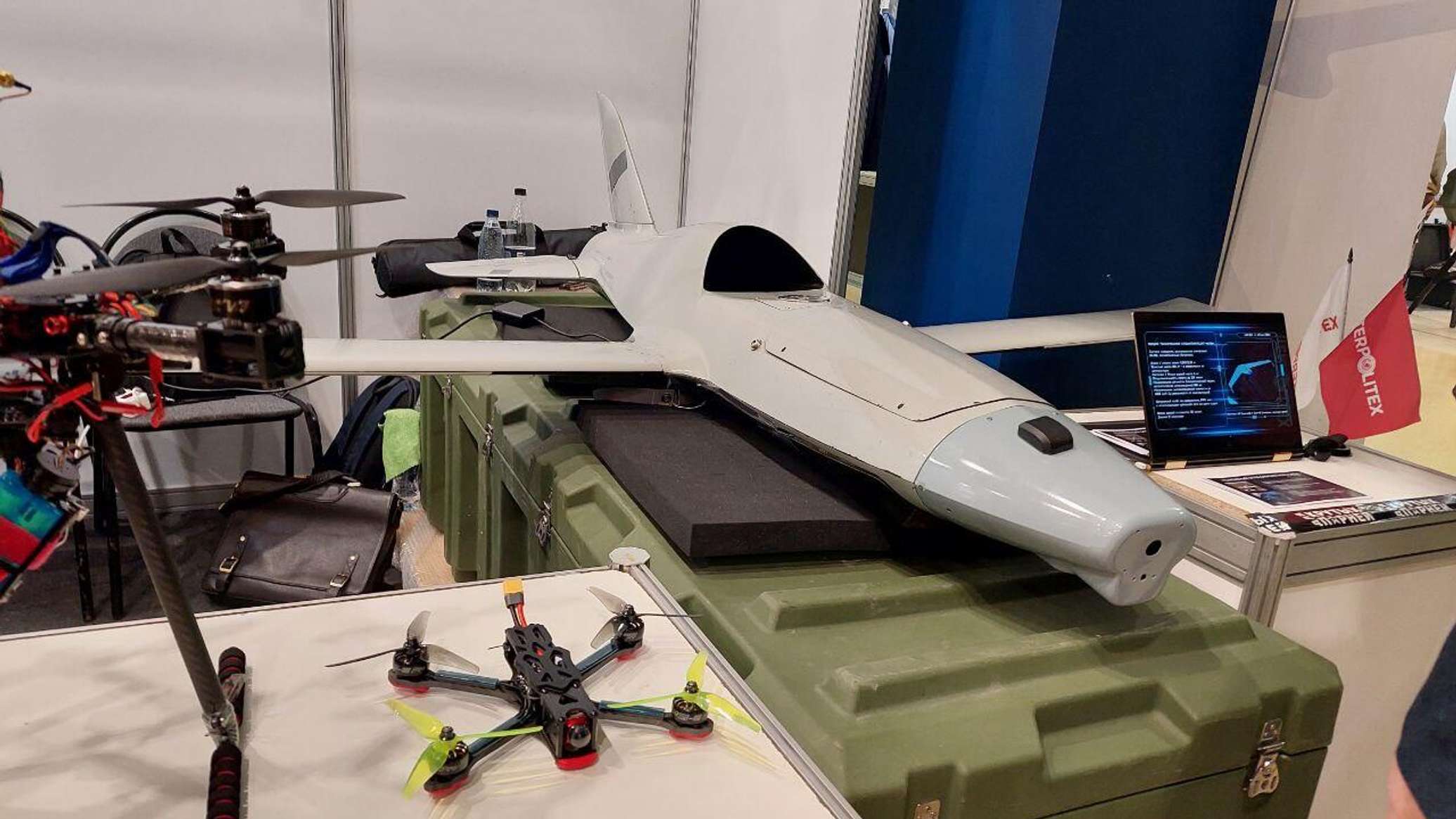
In June, Russia launched approximately 450 jet-powered drones, a figure that surged to nearly 2,850 by August. These aircraft, capable of speeds between 240 and 500 kilometres per hour, represent a tactical departure from the slower, propeller-driven Shahed models that once defined the threat profile. While Ukraine previously achieved a 90% interception rate against older drones, these faster systems are significantly more difficult to track, and their ability to adjust flight paths in real-time complicates traditional air defence efforts.
Domestic manufacturers are currently testing a new generation of interceptor drones to bridge this gap, though initial trials have exposed critical instability at speeds exceeding 400 kilometres per hour. With over 60 Ukrainian companies racing to develop viable counters, the primary challenge remains economic: Kyiv must find a way to neutralize these threats without exhausting limited and costly Western-supplied missile stocks. Officials are now exploring head-on interception tactics and automated targeting systems to create a more efficient, layered defense. As the conflict turns into a high-stakes arena for autonomous weaponry, the outcome depends on whether Ukraine can scale these affordable countermeasures before Russian mass-attack tactics overwhelm its existing air defence architecture.


Comments (0)
No comments yet. Be the first!