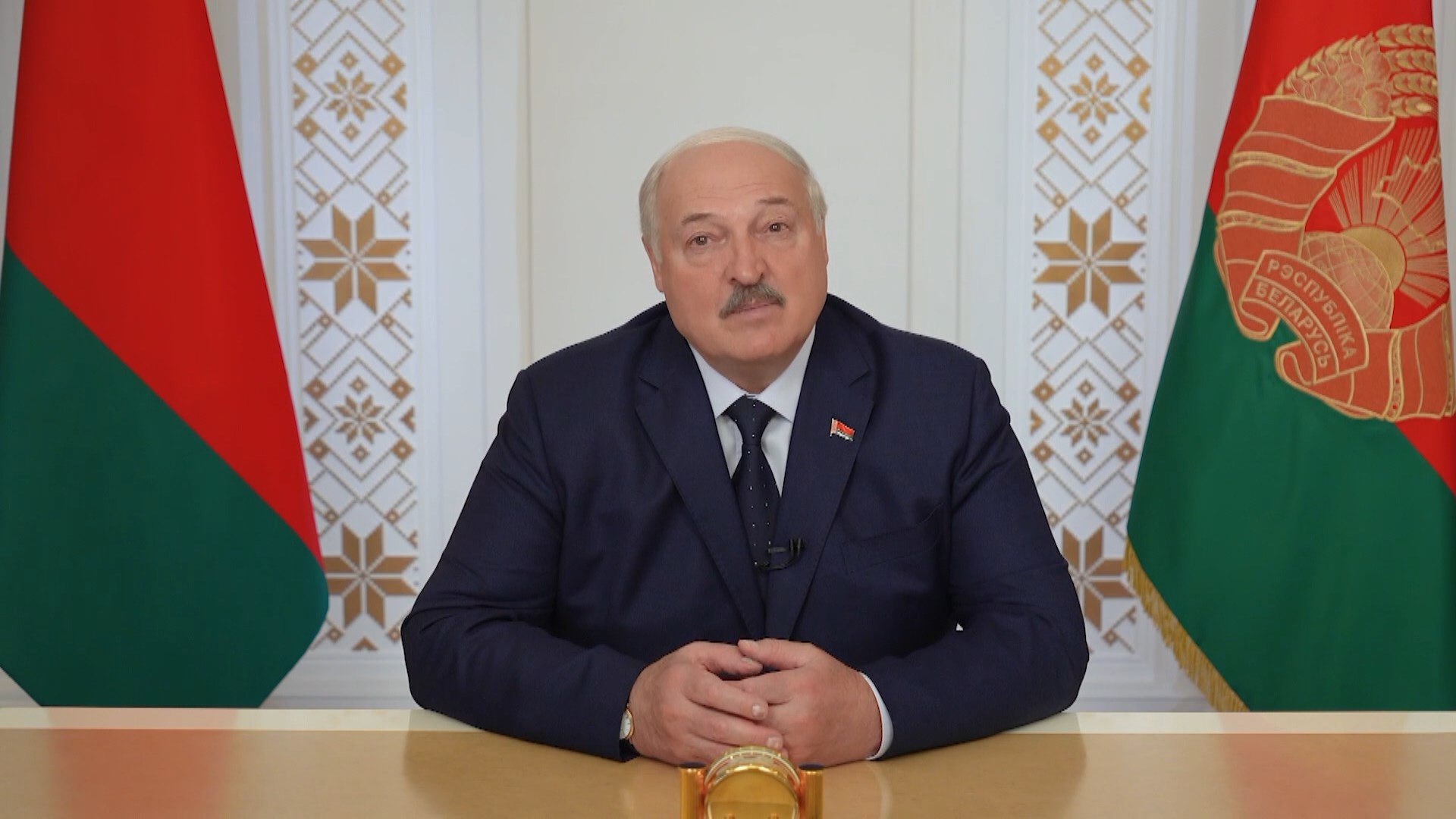
The report details a cycle of abuse beginning with arbitrary arrests and extending through closed-door trials to post-release surveillance. Experts identified a recurring pattern where the judiciary provides a veneer of legality to state actions, effectively stripping victims of any path to appeal or remedy. This institutional alignment ensures that even when specific individuals are released through international diplomatic efforts, the broader deterrent effect remains firmly intact.
Belarusian authorities have refused to cooperate with the U.N. panel, ignoring requests for site visits and engagement. President Alexander Lukashenko continues to categorize political prisoners as criminals, maintaining that all state actions are lawful measures to restore order. However, the panel reiterated that these ongoing practices may constitute crimes against humanity, including systematic persecution and imprisonment.
Recent prisoner releases have not signaled a structural shift in Minsk’s policy. Nobel Peace Prize laureate Ales Bialiatski recently noted that new arrests continue to replace those released, indicating that the machinery of suppression remains fully operational. Without judicial independence, the report concludes, isolated diplomatic concessions are unlikely to dismantle the underlying architecture of control.


Comments (0)
No comments yet. Be the first!