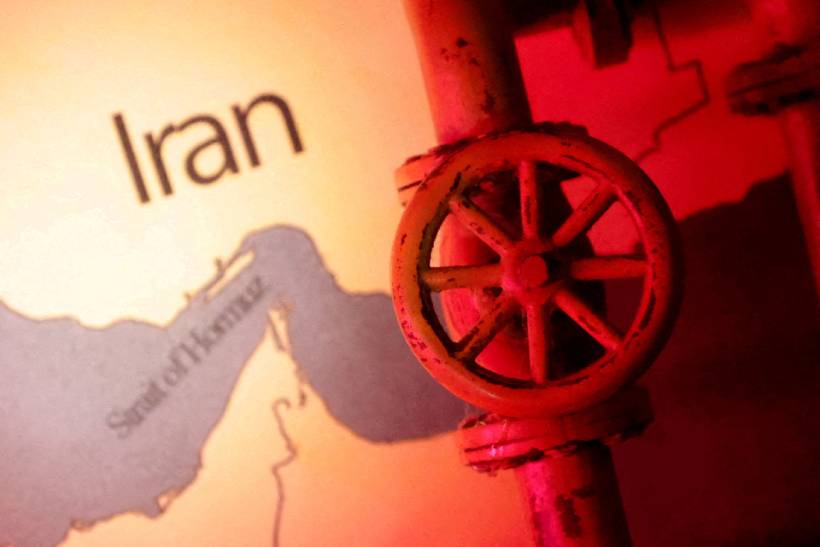
The meeting, intended to bring Iran and Gulf Arab states together to finalize a shipping agreement, was shelved after Tehran insisted that reopening the waterway remains contingent upon meeting its broader demands with Washington. Foreign Minister Abbas Araqchi confirmed that even a regional consensus would not override this stance, effectively tethering the flow of global energy to the wider U.S.-Iran conflict.
This diplomatic failure coincides with acute physical threats to energy transit. Saudi Arabia has shuttered its critical east-west pipeline following recent attacks, placing nearly 4% of global oil supply at risk if repairs extend beyond the current one-week buffer. Simultaneously, vessel traffic through the Strait of Hormuz has plummeted to single-digit daily levels. With Houthi militants expanding their influence near the Bab el Mandeb, the options for rerouting energy shipments are rapidly vanishing, forcing markets to confront the reality of a sustained and widening energy shock.



Comments (0)
No comments yet. Be the first!