The "China plus one" strategy was intended to provide a safeguard against geopolitical friction, yet the reality of operating in Vietnam, India, and Indonesia has proven difficult. For firms like Dawang Metals and retailer Target, the shift away from Chinese suppliers often triggered unforeseen supply chain disruptions and labor shortages. Jin Chaofeng, a Chinese exporter who shuttered a facility in Ho Chi Minh City, found that even basic requirements like molds and screws still needed to be imported from China, negating the cost benefits of moving abroad. Beyond the immediate price of labor, firms are grappling with unreliable power grids in Southeast Asia and the daunting task of replicating China’s dense network of specialized equipment and logistical support. While Thailand, Vietnam, and Indonesia remain viable long-term insurance policies, companies are increasingly viewing them as backup capacity rather than wholesale replacements. This emerging reality suggests a more fragmented, hybrid model of global manufacturing. Businesses are moving toward a flexible, multi-country strategy, keeping China as the primary hub while maintaining smaller, alternative footprints to hedge against future trade volatility. As Washington and Beijing remain locked in a cycle of shifting tariff barriers, the decision to relocate is no longer just a math problem based on duty rates, but a high-stakes calculation of operational reliability.
The Hidden Costs of Moving Supply Chains Out of China
Companies that rushed to relocate manufacturing from China to avoid U.S. tariffs are quietly returning, discovering that replacing a mature industrial ecosystem is far more complex than simply shifting a factory. The logistical, technical, and financial hurdles of operating in alternative hubs have stalled the exodus of global production.

Read Also
 Politics
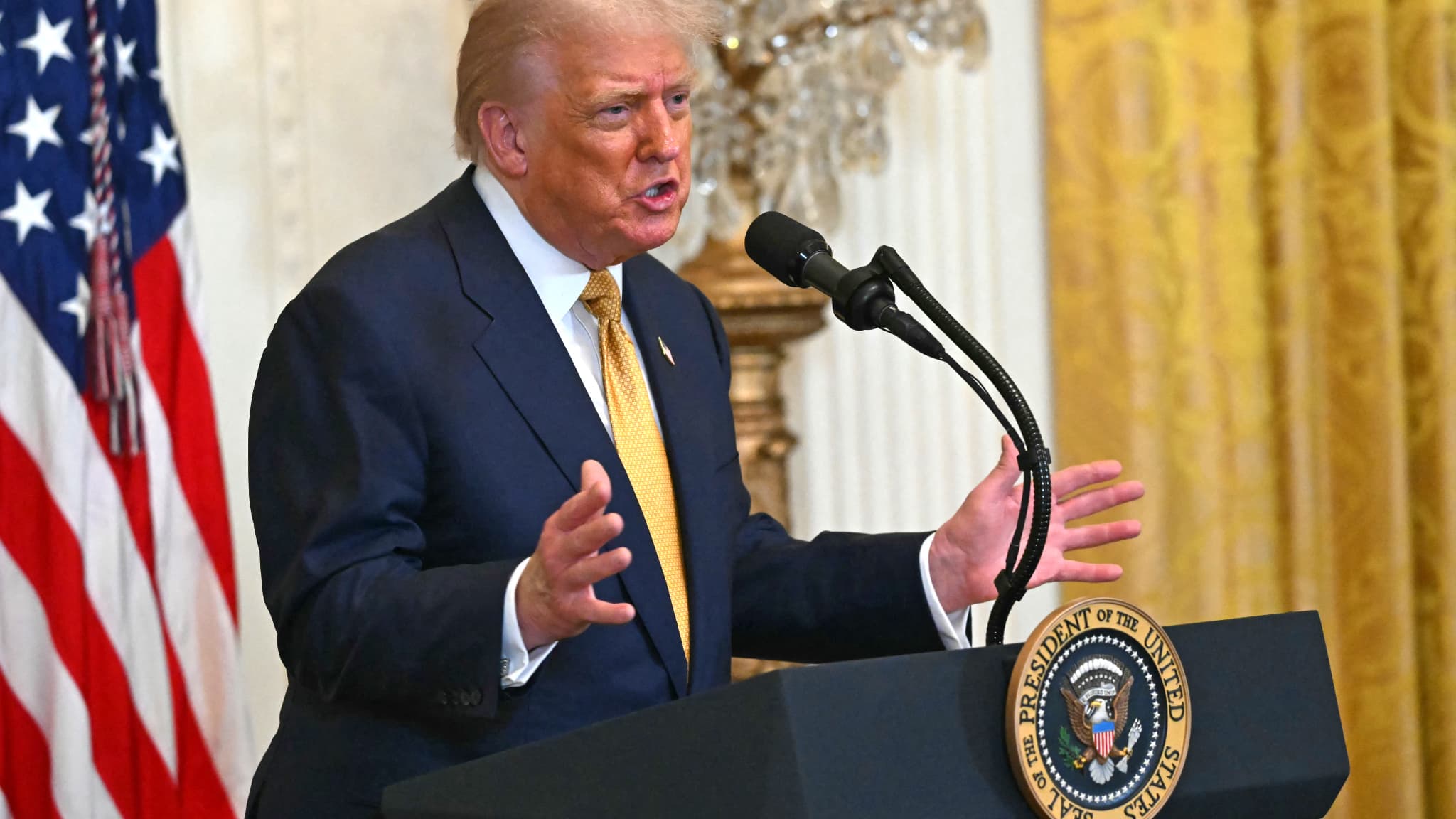
Trump Attacks Supreme Court Justices Over Mail-in Ballot Ruling
September 15, 2026
 Business
U.S. Markets Slip as Oil Prices and AI Demand Concerns Weigh
September 15, 2026
 Politics
Russia Warns Western Officials Against Travel to Ukraine
September 15, 2026
 Politics
Italian NATO Fighter Intercepts Drone Over Lithuanian Border
September 15, 2026
Comments (0)
No comments yet. Be the first!