The current deadlock reflects a deepening divide over the nation's cultural identity and legislative priorities. While the potential for a shift in foreign policy remains minimal, the electoral tension highlights a fierce debate surrounding migration and public security. Kristersson’s decision to integrate the Sweden Democrats into his political strategy has drawn sharp criticism from opponents who fear for civil liberties, while proponents maintain that such an alliance is essential to address the surge in gang-related violence. As the final tallying proceeds, the results signal a critical juncture for the Scandinavian state, forcing a confrontation between established social norms and a rising conservative mandate that seeks to dismantle traditional political boundaries.
Sweden’s Parliamentary Deadlock Tests Coalition Stability
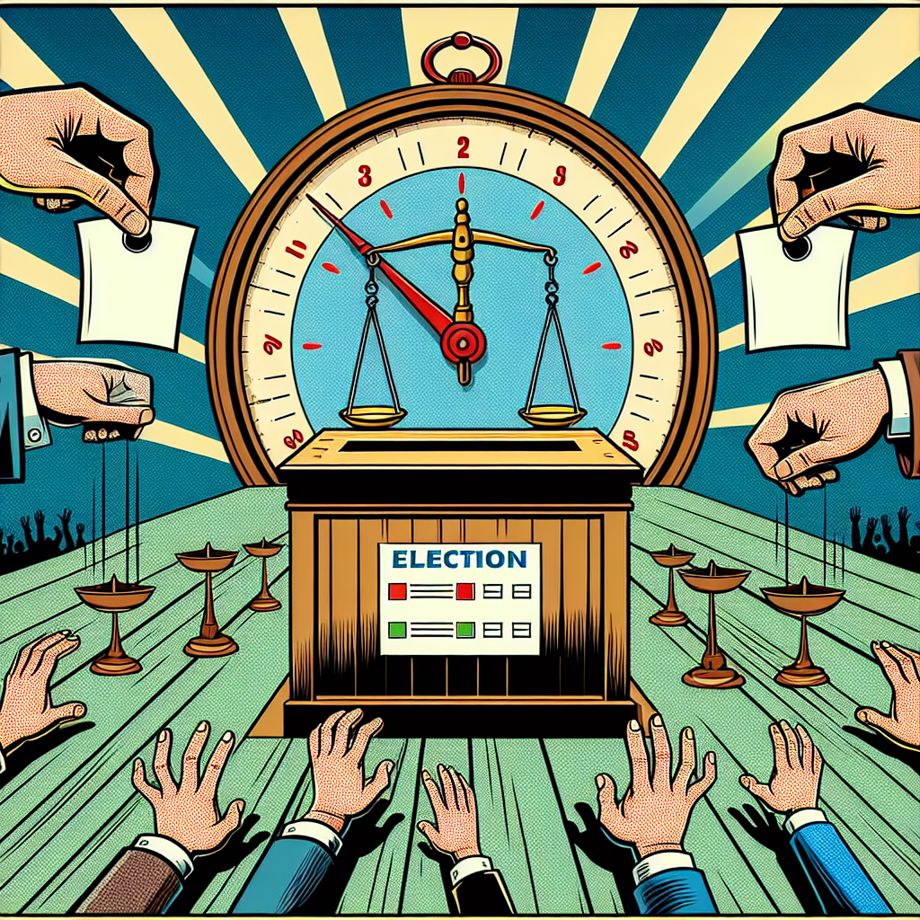
With a razor-thin margin of 175 to 174 seats, Sweden’s national election has descended into a standoff between Prime Minister Ulf Kristersson’s right-wing bloc and the centre-left coalition led by Magdalena Andersson. The outcome hangs on outstanding overseas ballots, leaving the country’s immediate political trajectory in a state of suspended animation.
Read Also
 Politics
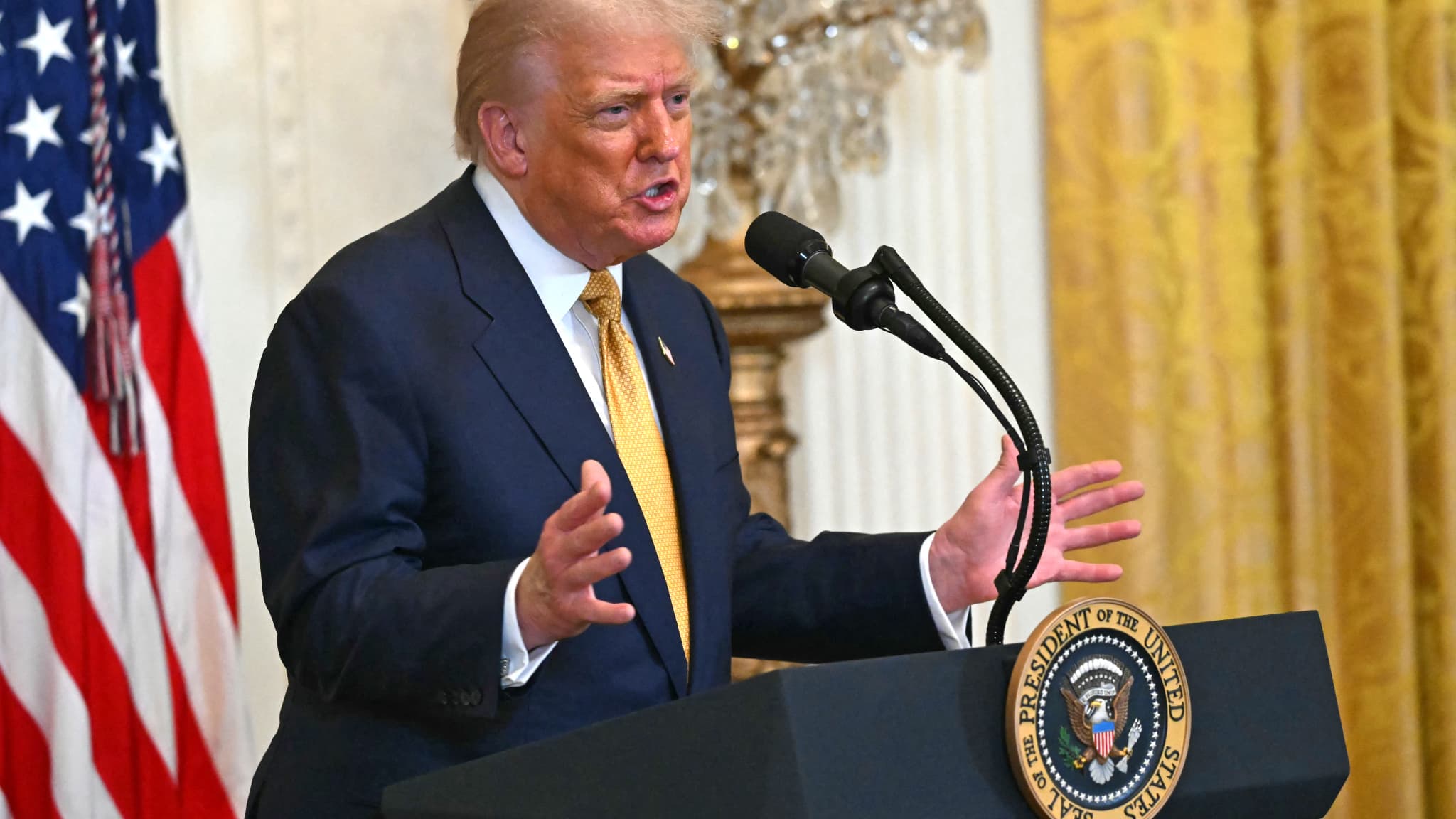
Trump Attacks Supreme Court Justices Over Mail-in Ballot Ruling
September 15, 2026
 Business
U.S. Markets Slip as Oil Prices and AI Demand Concerns Weigh
September 15, 2026
 Politics
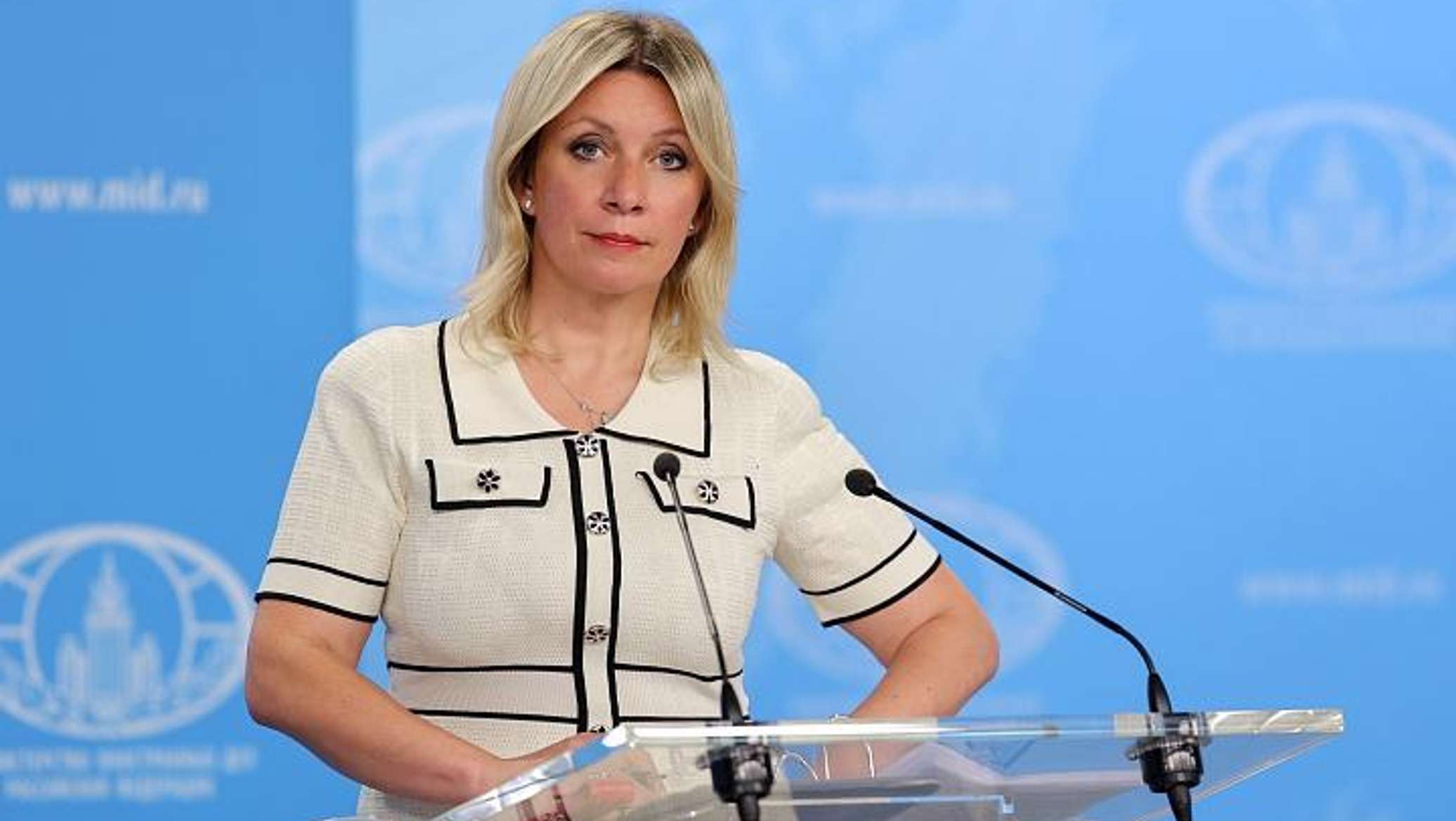
Russia Warns Western Officials Against Travel to Ukraine
September 15, 2026
 Politics
Italian NATO Fighter Intercepts Drone Over Lithuanian Border
September 15, 2026
Comments (0)
No comments yet. Be the first!