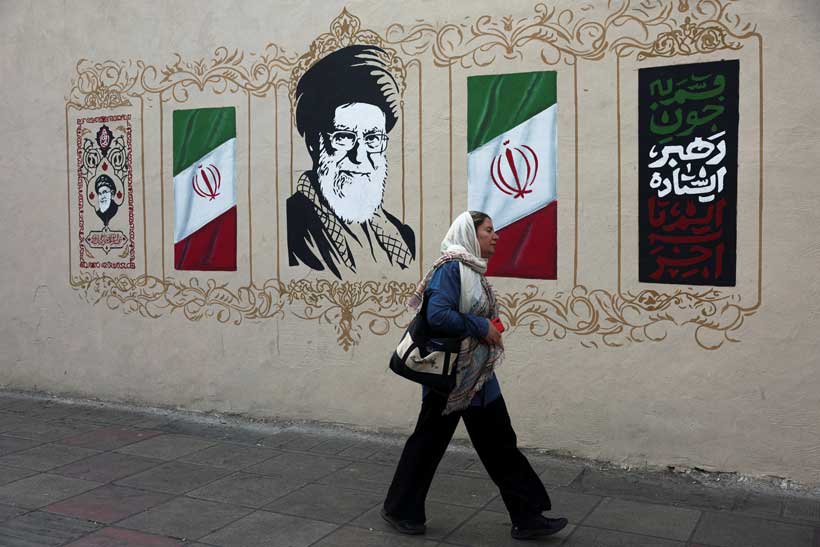
The current sanctions landscape is defined by a paradox of bureaucratic expansion. While the EU prepares to add 1,600 names to its Russia-related lists and Washington continues to layer measures against Iran, target states have successfully constructed durable evasion infrastructure. Russia’s shadow fleet of over 600 tankers operates with impunity, and Iran’s oil exports to China remain robust despite 465 distinct measures. In Sudan, arms embargos have failed to stem the flow of weapons funded by gold smuggling networks that bypass Western jurisdiction entirely.
This cycle of escalation imposes a heavy toll, yet it is paid primarily by the global banking sector rather than the targets. Financial-crime compliance costs in the UK alone hit £38.3 billion annually, while billions in restricted technology continue to flow through intermediaries in Hong Kong, Turkey, and Serbia. The compliance apparatus is growing, but the workaround infrastructure is scaling faster and more efficiently. The core issue is that while new sanctions are a costless political statement for Western governments, they no longer fundamentally alter the behavior of the regimes they target. Whether this changes depends on if enforcement pivots toward direct interdiction or targeting the specific hubs that enable these illicit economies, rather than simply expanding the list of sanctioned individuals.


Comments (0)
No comments yet. Be the first!